

 2026.09.11
 Industry News
Content
A 70 percent isopropyl alcohol wipe looks like a simple product: a sheet of nonwoven fabric, a sealed pouch or canister, and a clear liquid inside. In practice, that liquid is a carefully specified formula, and how it is dosed onto the fabric decides whether the wipe performs well in an aircraft galley, a repair workshop, a clinic corridor, or a warehouse shelf. We have manufactured alcohol wipes at our Haining factory since 2003, and 70% IPA remains one of the formulations buyers ask us about most often. This guide explains what the 70 percent figure really means, what these wipes clean best, where they fall short, and what to check before you place a bulk or private label order.
Isopropyl alcohol, also written as IPA, isopropanol, or propan-2-ol, is a clear, fast-evaporating solvent with strong cleaning and antimicrobial properties. A 70 percent wipe means the liquid loaded onto the nonwoven holds 70 parts alcohol to 30 parts water, and that 30 percent is not filler. Water is part of what makes the formula work: it slows evaporation so the surface stays wet long enough to act, and it helps the alcohol penetrate cell walls rather than simply drying on the outside of them.
One detail causes endless confusion in purchasing. A 70 percent figure can be expressed by volume (v/v) or by weight (w/w), and because alcohol is lighter than water, 70% v/v works out to roughly 65% w/w. When you compare two quotations, ask which basis the supplier uses. Otherwise a "70 percent" wipe from one factory may carry noticeably less alcohol than the same description from another.
Why not simply use 99 percent? Higher concentrations evaporate too quickly to keep a surface wet long enough, and they can coagulate proteins on a cell wall instead of breaking it down. Adding water is what turns alcohol into a reliable disinfecting strength. If you want to understand how alcohol types differ, our article comparing ethanol wipes versus isopropyl wipes walks through the trade-offs.
IPA at this strength is a workhorse on hard, non-porous surfaces. Common jobs include:
The wipe format itself adds value. It delivers the solvent exactly where it is needed, with no spray drift, no bottle of liquid, and no secondary cloth to wash or dispose of. In food service, aviation, and maintenance environments, that combination is often the reason a wipe is chosen over a bottle.
Concentration and chemistry are not the same question. The table below summarises how common strengths are normally applied.
| Formula | Typical strength | Best suited to | Watch out for |
|---|---|---|---|
| Isopropyl alcohol | 70% v/v | Disinfecting and cleaning hard non-porous surfaces, instrument and equipment care | Flammable; needs even wet contact time |
| Isopropyl alcohol | 91 to 99% v/v | Removing flux, thermal paste, silicone, and oils where fast, residue-free drying is the goal | Evaporates too fast for reliable disinfection; harsh on some plastics |
| Ethanol | 60 to 80% v/v | Surface and hand hygiene tasks where ethanol is preferred or required | Different odour and regulatory treatment by market |
| Alcohol-free | Not applicable | Screens, coated optics, sensitive skin, and materials alcohol dulls | Weaker solvent power on grease and stubborn residue |
Two wipes labelled "70% IPA" can behave very differently in use. When you compare samples or quotations, ask for these details:
IPA is not universal. Avoid it, or use a purpose-built alternative, on:
This is exactly why our anti-static glasses and screen cleaning wipes exist as a separate line, with a formula and substrate chosen for coated lenses and display surfaces rather than for workshop degreasing.
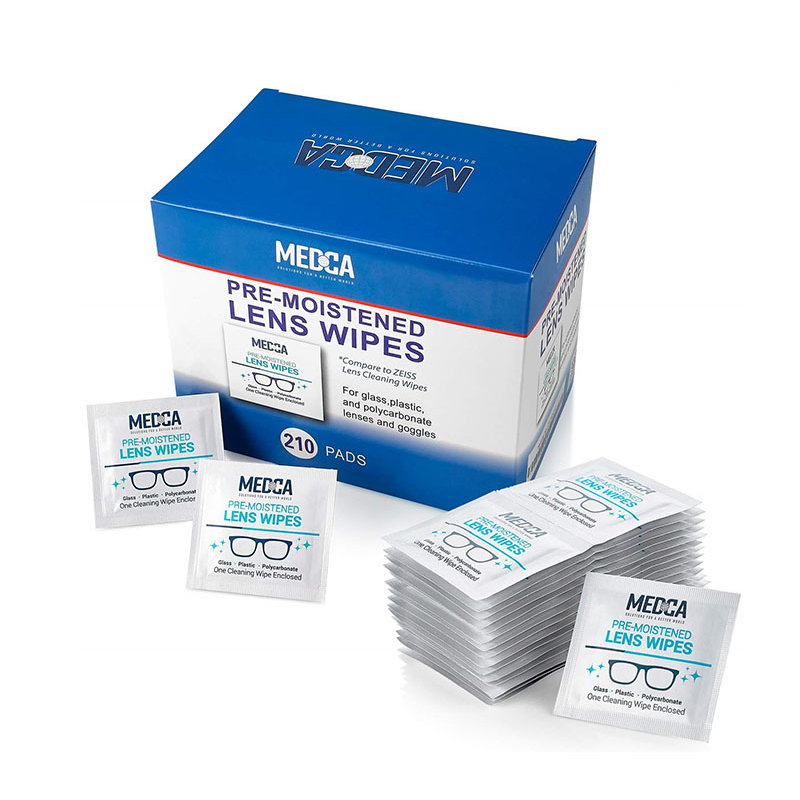 Antistatic Glasses Screen Cleaning WipesPrecise dust removal, long-lasting anti-static, and protective of optical equipmentView Product →
For brand owners, distributors, and facility buyers, the practical questions usually come down to format, quantity, and consistency. A factory that runs both wet wipes and dry wipes on automated lines can often apply the same formula across several pack styles, so a travel sachet, a 40-count canister, and a bulk tub can all carry the same liquid and fabric specification. That consistency matters when a product is sold through more than one channel.
For industrial and equipment care, we produce isopropyl alcohol cleaning wipes for metal instruments on a nonwoven selected to resist tearing and leave minimal lint behind.
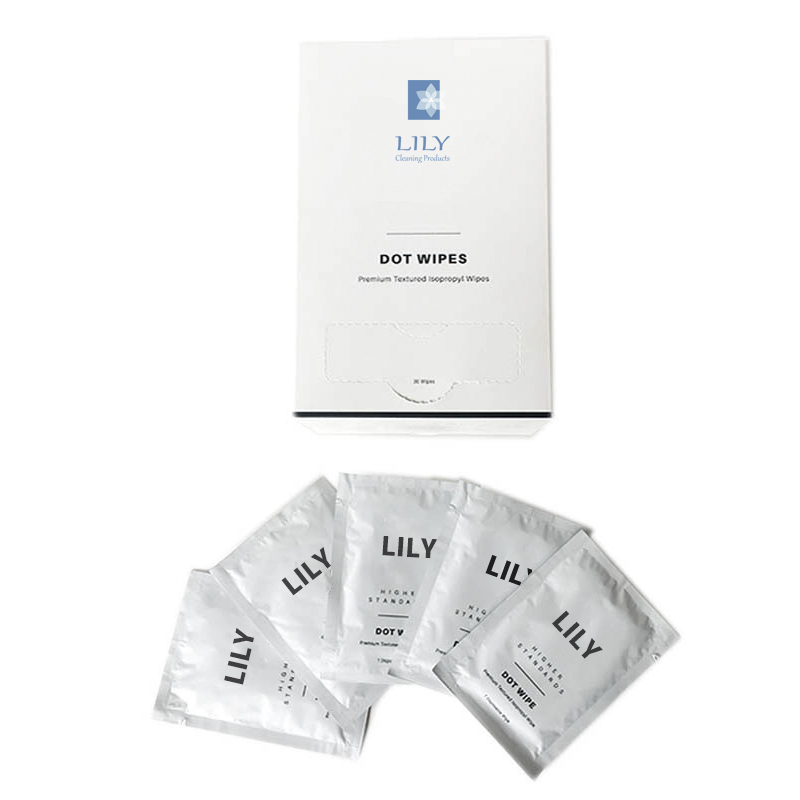 Isopropyl Alcohol Cleaning Wipes for Metal InstrumentsEfficient disinfection, rapid evaporation, professional-grade precision careView Product →
For retail and travel programmes, on-the-go alcohol disinfectant wipes are supplied in single sachets and small packs that hold their moisture until the seal is opened.
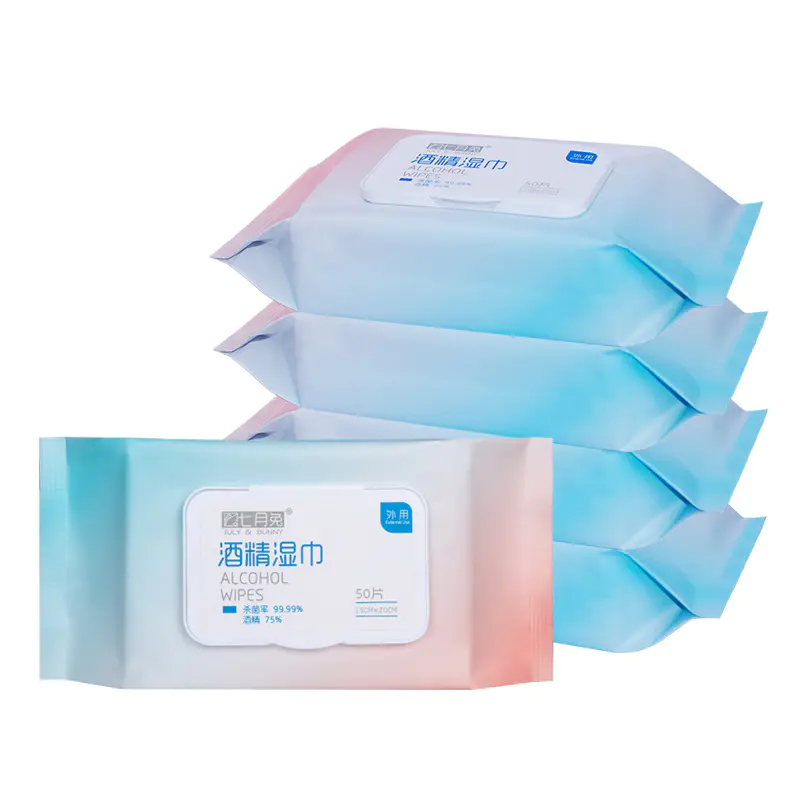 On-the-go Alcohol Disinfectant WipesQuick and effective, disposable, a classic choice for keeping clean.View Product →
Both lines support OEM and ODM work: custom wipe size, wet weight, closure type, label artwork, and carton configuration. Two points are worth settling early, namely the labelling and claim rules of your target market, and the order quantity that makes a custom print run economic. Fixing the formula and pack format first usually reduces the number of samples needed.
For general disinfection on hard surfaces, yes. The water fraction slows evaporation and helps the alcohol penetrate cell walls. Higher concentrations are better reserved for residue-free cleaning of electronics and metal parts.
They are effective against many bacteria and against enveloped viruses. They are not sporicidal and act less reliably on non-enveloped viruses, so follow the surface disinfection guidance that applies in your market for clinical or outbreak protocols.
Only on plain glass, and only gently. Alcohol can wear down oleophobic coatings over time. For everyday screen care, a dedicated screen wipe is the safer option.
Keep packs sealed and upright in a cool, dry place away from flames, sparks, and hot equipment. Close canister lids after each use so the top wipes do not dry out.
The fabric and packaging usually determine shelf life more than the alcohol itself. Most sealed packs carry a two to three year shelf life, while an opened canister is best used within a few months.
Choosing a 70 percent isopropyl alcohol wipe comes down to matching the formula, the fabric, and the pack to the job in front of you, then buying from a supplier who can repeat that specification order after order. If you are planning a private label or OEM programme, you can read more about Haining Lily Cleaning Products and the ranges we manufacture, or send us your target specification and we will respond with samples.

Wet Wipes OEM/ODM, Custom Wet Wipes Manufacturers in China. We are making wet wipes enter every household and become an essential part of our daily life, and are making unremitting efforts to create a cleaner and more comfortable home environment.
Read MoreFor exclusive deals and latest offers, sign up by entering your email address below.


 English
 русский
 عربى
عربى