Oil Absorption Mechanisms in Disposable Kitchen Towels
Disposable Kitchen Towels used in high-frequency cooking environments must demonstrate strong lipophilic absorption while maintaining structural integrity under saturation. Oil absorption efficiency depends largely on fiber polarity and pore distribution. Cellulose-rich substrates exhibit high capillary action for water-based liquids, but blending with polypropylene microfibers improves grease entrapment by creating micro-void structures that trap viscous residues.
Laboratory oil uptake tests often measure grams of vegetable oil absorbed per gram of towel material. Premium-grade Disposable Kitchen Towels can reach absorption ratios above 8:1 without tearing. In our 8,000-square-meter manufacturing facility in Zhejiang, automated production lines allow precise control of grammage and embossing depth, ensuring consistent absorption performance even when daily output exceeds 600,000 units.
Wet Strength Retention During Heavy Cleaning
Kitchen cleaning frequently involves hot water and detergents, which can weaken fiber bonding. Wet tensile strength testing under 40–60°C conditions simulates real kitchen scenarios. Reinforced spunlace structures with cross-directional fiber orientation significantly improve resistance to tearing during scrubbing.
- Higher hydroentanglement pressure increases inter-fiber cohesion.
- Embossed patterns improve surface friction for stubborn residue removal.
- Balanced fiber blends prevent excessive lint in food preparation areas.
Food-Contact Safety and Chemical Compatibility
Disposable Kitchen Towels often come into indirect contact with fresh produce, cookware, and countertops. Therefore, raw material sourcing must comply with food-contact safety standards. Bleaching agents, binders, and finishing additives should meet relevant migration and residue limits. Oxygen-based bleaching systems are generally preferred over chlorine-based methods to minimize harmful by-products.
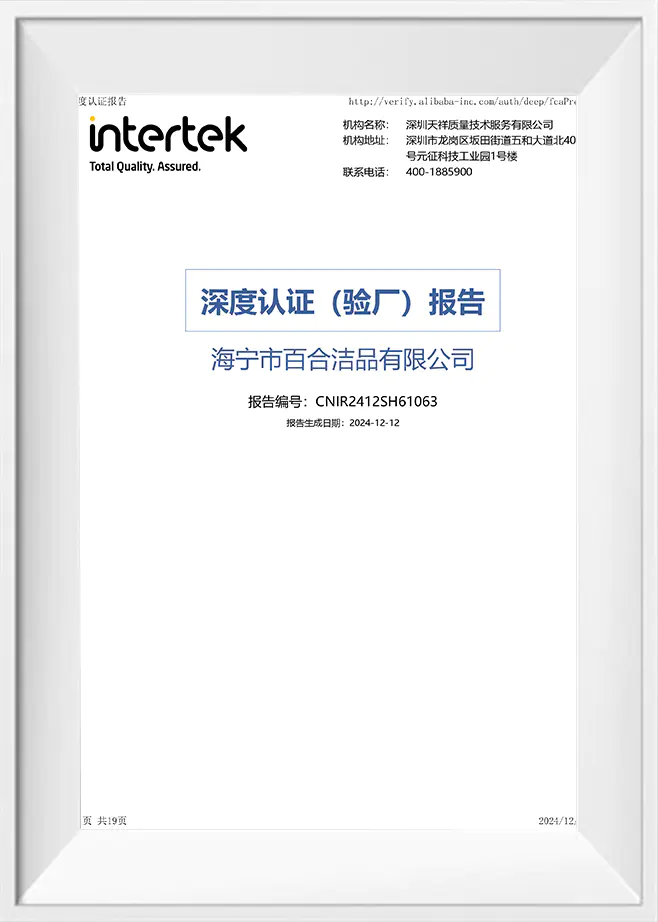
Drawing from our experience in producing baby wipes, alcohol wipes, and multi-functional household cleaning wipes, we apply similar safety verification logic to Disposable Kitchen Towels. Our technical team of more than 10 specialists regularly evaluates raw material documentation and conducts third-party compliance testing. We always emphasize that “quality first” is reflected in traceable sourcing and documented inspection procedures.
Compatibility with Cleaning Agents
Kitchen environments involve exposure to degreasers, mild alkaline solutions, and sometimes alcohol-based disinfectants. Fiber resistance to chemical degradation ensures towel durability. Polyester-enhanced composites demonstrate improved resistance to alkaline hydrolysis compared to pure cellulose structures.
| Cleaning Agent Type |
Recommended Fiber Blend |
Key Consideration |
| Mild Detergent |
Cellulose/Viscose |
Absorption efficiency |
| Alkaline Degreaser |
Polyester Blend |
Chemical resistance |
| Alcohol-Based Spray |
Spunlace Composite |
Evaporation tolerance |
Packaging Efficiency and Moisture Control
Bulk packaging of Disposable Kitchen Towels must protect against ambient humidity while maintaining easy dispensing. Flow-wrap films with optimized moisture vapor transmission rates (MVTR) help prevent premature dampness in humid climates. For export markets, compression packaging reduces logistics volume while preserving sheet recovery elasticity after unpacking.
At HAINING LILY CLEANING PRODUCTS CO.,LTD., we support ODM and OEM customization for both household retail packs and catering-industry bulk formats. Leveraging our automated production systems and skilled workforce of over 90 employees, we can adjust roll diameter, perforation spacing, and packaging thickness according to private labeling requirements. We believe that integrating flexibility with production scale is essential to meeting diverse kitchen cleaning needs.
Sustainability Considerations and Waste Reduction Strategies
As Disposable Kitchen Towels become more prevalent in both residential and commercial settings, environmental evaluation is increasingly important. Biodegradable cellulose-based materials offer improved compostability under controlled conditions, while synthetic blends enhance durability but require responsible disposal guidance. Manufacturers can reduce production waste by optimizing cutting layouts and reprocessing edge trims where feasible.
Operating within an 8,000-square-meter factory, we continuously refine raw material utilization efficiency to minimize offcuts and energy consumption. By combining advanced automation with responsible manufacturing principles, we aim to deliver high-performance Disposable Kitchen Towels that support cleaner kitchens while contributing to a more sustainable production model.


 English
 русский
 عربى
عربى