

 2026.09.04
 Industry News
Content
There is a particular kind of frustration that comes with sensitive skin: you find a cleansing wipe, try it once, and within minutes your face feels tight and flushed. The product claims "gentle" on the front, but the ingredient list tells a different story. In practice, the best cleansing wipes for sensitive skin are not defined by marketing. They are defined by three measurable qualities: an alcohol-free formula, a pH close to that of human skin, and a soft fiber material. Everything else is secondary.
The most common irritant is drying alcohol. Ethanol and isopropyl alcohol are used in many wet wipes because they evaporate fast and leave skin feeling clean. On oily skin that may be fine. On sensitive skin, alcohol dissolves the natural lipids that keep skin hydrated. Users often describe the feeling as "tight" or "sticky" - that is the skin barrier being stripped.
The second common trigger is fragrance. Even natural essential oils can cause allergic contact dermatitis in predisposed people. Lavender, citrus, and tea tree are frequently named in patch test studies as sensitizers. A wipe labeled "fragrance-free" or "scent-free" is a safer choice than one labeled "natural scent."
Third is pH. The acid mantle of human skin is slightly acidic, with a pH usually between 4.5 and 5.5. If a wipe has a pH close to neutral or alkaline, it can weaken the skin barrier after repeated use. Look for a product that states its pH directly. If it does not, you are buying without knowing one of the most important numbers.
To make an informed decision, you need to look at both the liquid and the fabric. A perfect formula on a rough substrate can still irritate, just as a soft fiber with alcohol will sting.
| What to Avoid | Why It Can Irritate | What to Look For |
|---|---|---|
| Drying alcohols (ethanol, SD alcohol, isopropyl) | Strip lipids and cause tightness | Glycerin, panthenol, propanediol |
| Fragrance, perfume, natural essential oils | Common allergens and sensitizers | Fragrance-free, no parfum |
| Sodium lauryl sulfate (SLS) | Harsh surfactant that disrupts the barrier | Gentle non-ionic or amphoteric surfactants |
| Methylisothiazolinone (MIT) | Known sensitizer in wet wipes | Low-risk preservatives or single-dose packs |
| High citric acid concentration | May lower pH below skin tolerance | Buffered formula around pH 5.5 |
| Rough polyester nonwoven | Creates micro-abrasion on fragile skin | Cotton, bamboo, or lyocell fibers |
Material matters more than most shoppers realize. A smooth cotton or bamboo spunlace nonwoven glides across the skin, while a coarse polyester equivalent drags. For someone with rosacea or eczema, that extra friction alone can create redness. Gentle sensation is not just about the liquid - it is also about the fabric.
Method is as important as product. Even the best gentle wipe will cause problems if you rub it like a kitchen towel.
Wait a moment after use. If a burning sensation appears and does not fade within a few seconds, stop using the product and consider a patch test before trying the next one.
Some dermatologists recommend using a cleansing wipe only when you cannot rinse with water. If you are at home, a gentle foam cleanser with lukewarm water may be gentler than any wipe. Wipes remain practical for travel, gym sessions, late nights, and situations where water is not available.
Sensitive skin is not a single category, so the right wipe is the one that matches your actual need.
For makeup removal, a wipe with micellar water and minimal surfactants works best. It should break down makeup without leaving a sticky film that reacts with your moisturizer. A sensitive-skin makeup remover wipe with a pH around 5.5 and no added fragrance is a strong candidate.
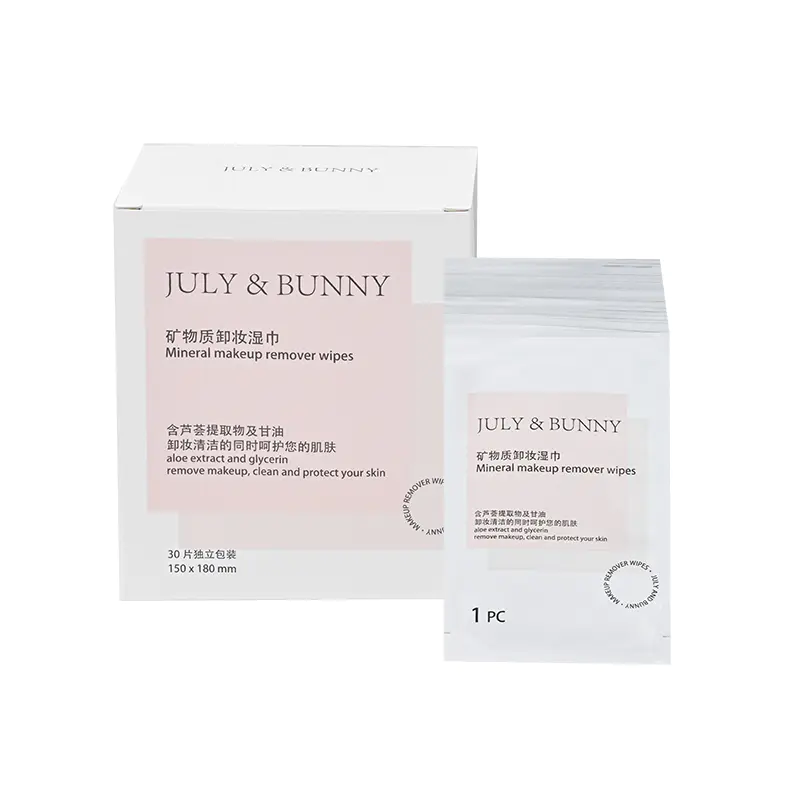 Gentle Makeup Remover Wipes for Sensitive SkinThese ultra-gentle wipes are specifically designed for sensitive skin, with a pH-balanced formula free of alcohol, fragrance, and harsh preservatives. They effectively remove light makeup and sunscreen while soothing and strengthening the skin barrier.View Product →
If your skin flares at almost everything, start with a wipe that removes fragrance and strong preservatives entirely. A pure-water or bamboo-fiber baby wipe designed for sensitive skin is closer to a blank canvas than most face wipes.
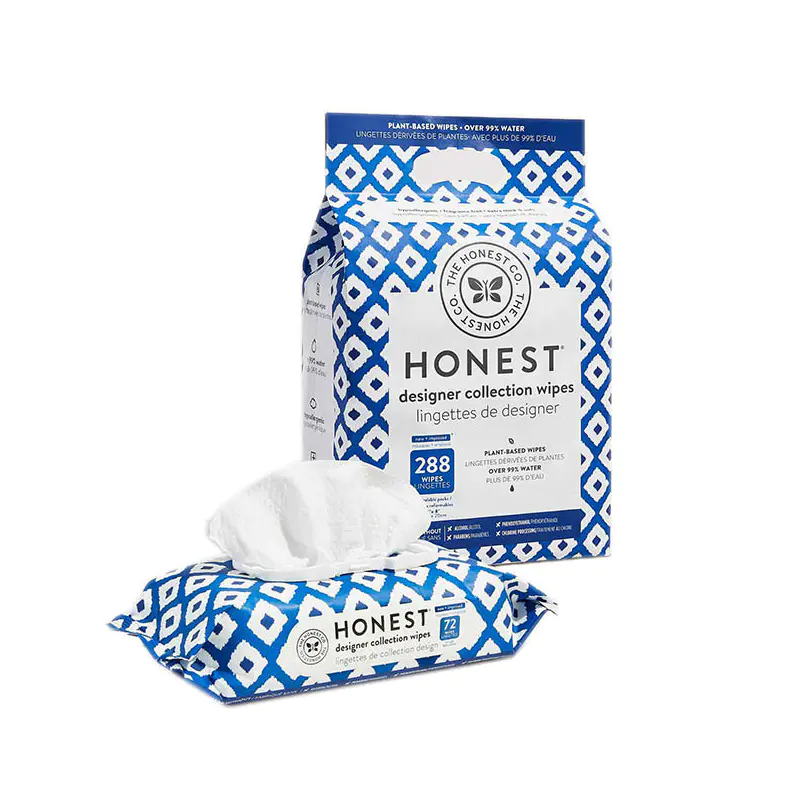 Natural Cotton and Bamboo Fiber Baby WipesMade from 100% natural cotton and biodegradable bamboo fiber, these fragrance-free wipes are ideal for sensitive baby skin. They offer a soft, breathable layer without unnecessary additives, providing authentic and gentle protection as a base for skincare.View Product →
Sometimes your face barely needs a wet wipe at all. A soft cotton towel soaked in warm water is the most controlled option because you know exactly what is going on your skin. A high-quality disposable cotton towel gives you the same control and adds the convenience of single-use hygiene.
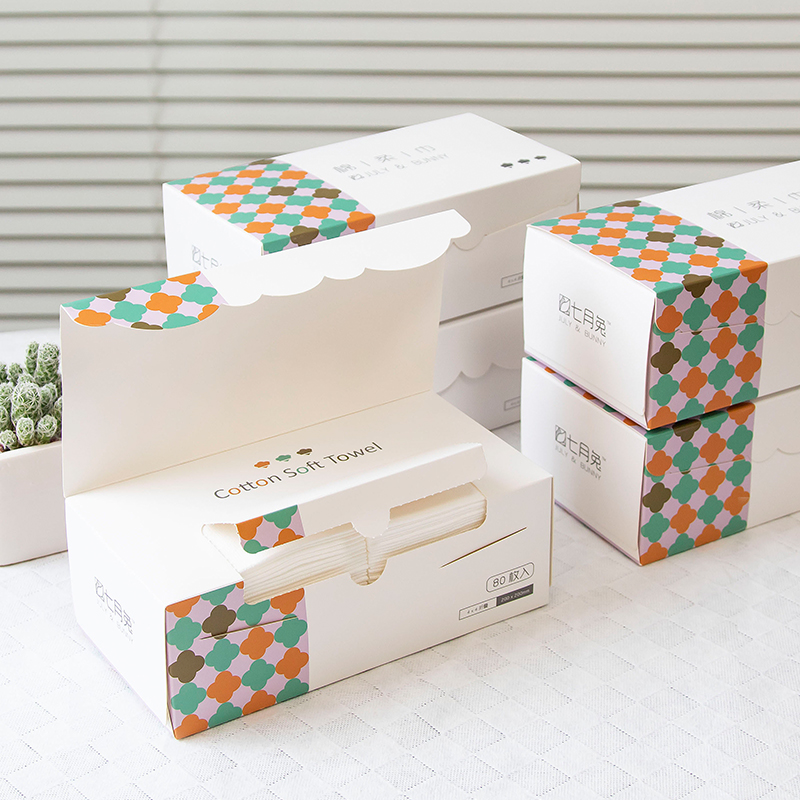 Disposable Pure Cotton Towels for Sensitive SkinThese disposable towels are crafted from 100% natural cotton using spunlace technology, offering a fluffy, cloud-like texture. They are free from fluorescent agents and chemicals, and can be used dry or wet for cleansing, makeup removal, or baby care, providing a hygienic alternative to traditional towels.View Product →
Most sensitive-skin reactions happen within the first month of use, but many people spend money on expensive products before checking the basics. This quick list covers the essentials.
The difference between an alcohol-free and a truly clean formula is also important. Our article on alcohol-free, fluorescent-free, preservative-free wipes explains why certain formulations are safer for sensitive skin.
The best cleansing wipes for sensitive skin are free of drying alcohol, fragrance, and harsh surfactants. They have a pH around 5.5, use a soft nonwoven such as cotton or bamboo, and are applied with a light press-and-sweep motion rather than scrubbing. For makeup removal, a sensitive-skin micellar wipe is ideal. For very reactive skin, a pure-water bamboo wipe or a plain cotton towel with water keeps irritation risk minimal.
The same principles apply when a manufacturer develops wipes for sensitive skin in the factory. Each batch of liquid is tested for pH and microbial contamination, and the nonwoven is chosen for low friction. That is the approach we follow at our own production facility, and it is a useful checklist for anyone buying these products.

Wet Wipes OEM/ODM, Custom Wet Wipes Manufacturers in China. We are making wet wipes enter every household and become an essential part of our daily life, and are making unremitting efforts to create a cleaner and more comfortable home environment.
Read MoreFor exclusive deals and latest offers, sign up by entering your email address below.


 English
 русский
 عربى
عربى