What "Non-Woven Fabric" Actually Means for Wipe Quality
The substrate of a private label wet wipes is one of the most consequential material decisions in product development. Most wipes use nonwoven fabrics, but the manufacturing method determines texture, strength, and absorbency significantly.
| Fabric Type |
Common Use |
Key Trait |
| Spunlace (Hydroentangled) |
Baby wipes, makeup remover |
Soft, lint-free, high absorbency |
| Airlaid |
Household cleaning wipes |
Thick, paper-like, high liquid retention |
| Meltblown + Spunbond (SMS) |
Alcohol wipes, medical-grade |
Fine filtration, fluid resistant |
| Viscose/Polyester Blend |
General personal care |
Durable, cost-effective, good hand feel |
Common nonwoven substrate types used in wet wipe manufacturing
Spunlace nonwoven is generally the preferred choice for skin-contact wipes due to its softness and zero loose fiber risk. For cleaning applications, airlaid offers superior scrubbing performance without falling apart under friction.
Alcohol Concentration: Why 70–75% Is the Industry Standard
Buyers sourcing alcohol wipes often assume higher alcohol content equals better sanitization. In practice, pure or near-pure alcohol evaporates too quickly to effectively denature proteins in bacterial cell walls. The optimal concentration window for isopropyl alcohol (IPA) or ethanol-based wipes is:
- 60–75% IPA or ethanol — effective against most bacteria and enveloped viruses, including influenza and coronaviruses
- Below 60% — insufficient antimicrobial action for reliable disinfection
- Above 80% — faster evaporation reduces contact time, lowering efficacy on hard surfaces
For aviation and medical-use specifications, regulatory bodies in many markets also require documented alcohol concentration testing per batch. When ordering OEM alcohol wipes, always request the Certificate of Analysis (CoA) confirming active ingredient concentration.
Wet Wipe Packaging Formats and When Each Makes Sense
Packaging format affects not only user convenience but also shelf life, logistics cost, and retail positioning. The three main formats each serve distinct market segments:
Single-Piece Sachets
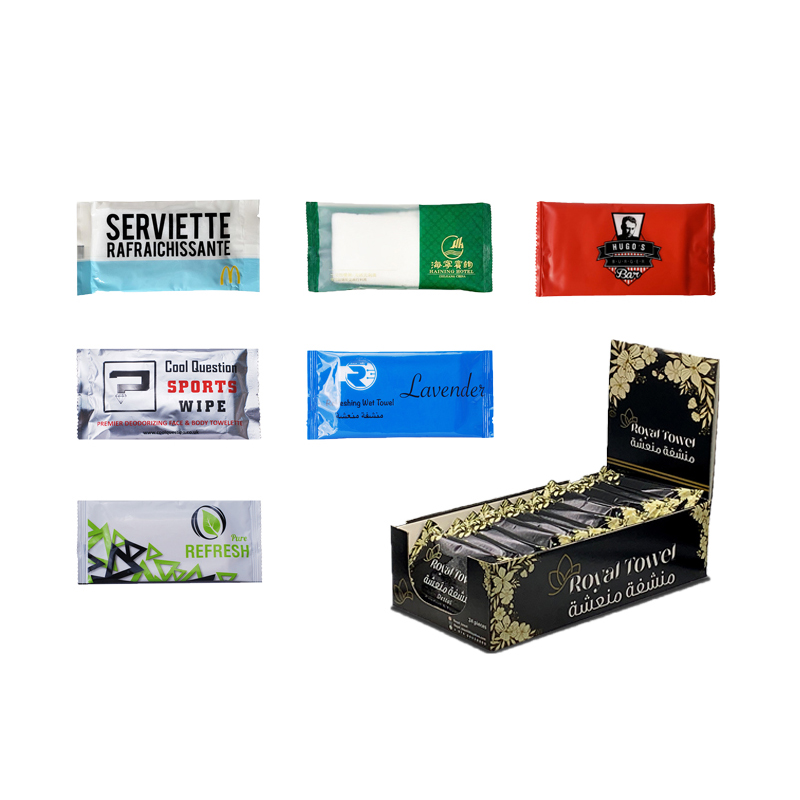
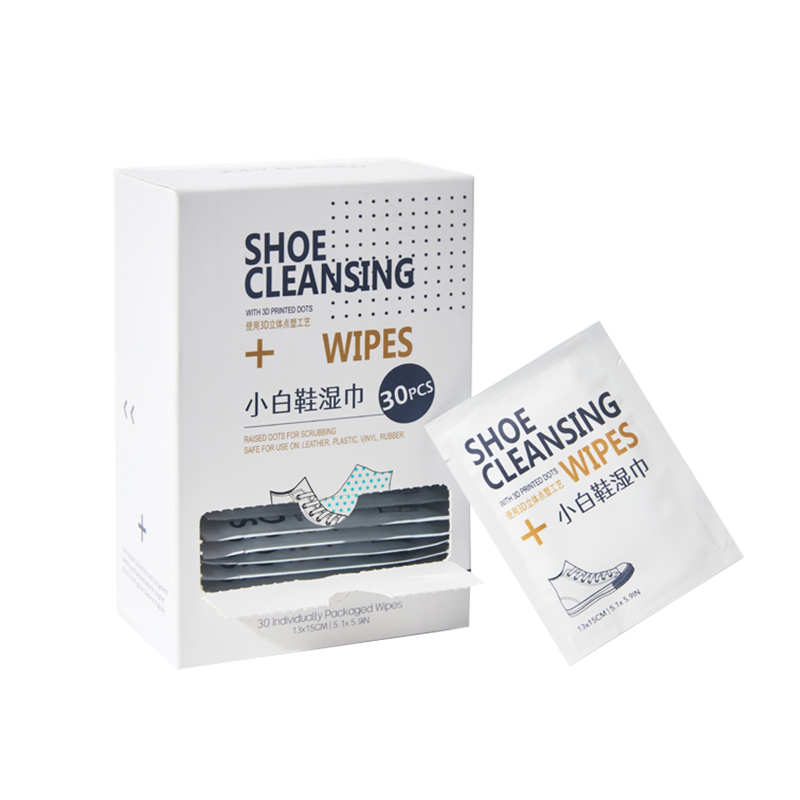
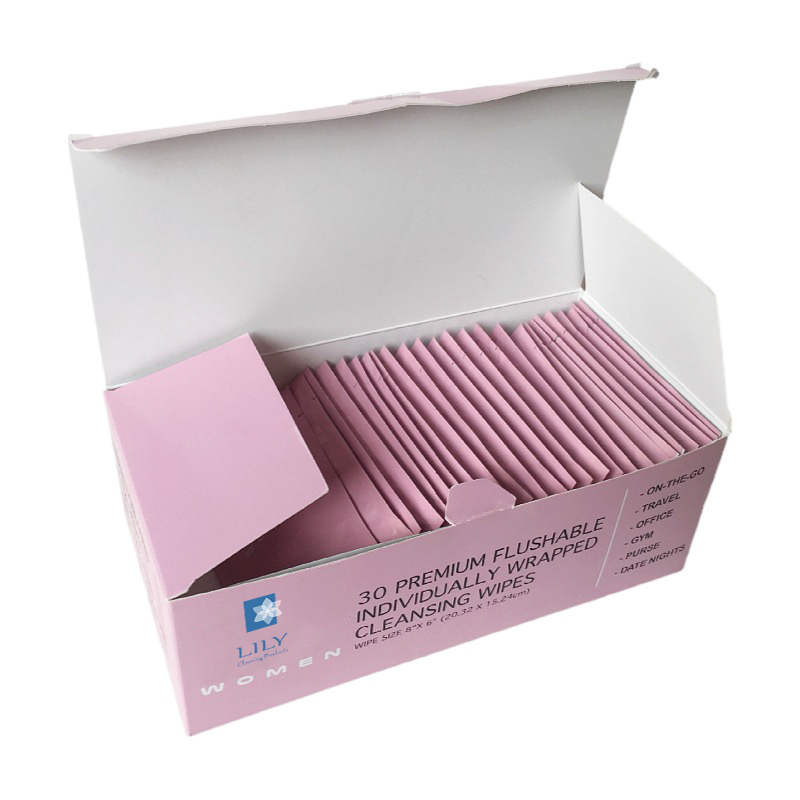
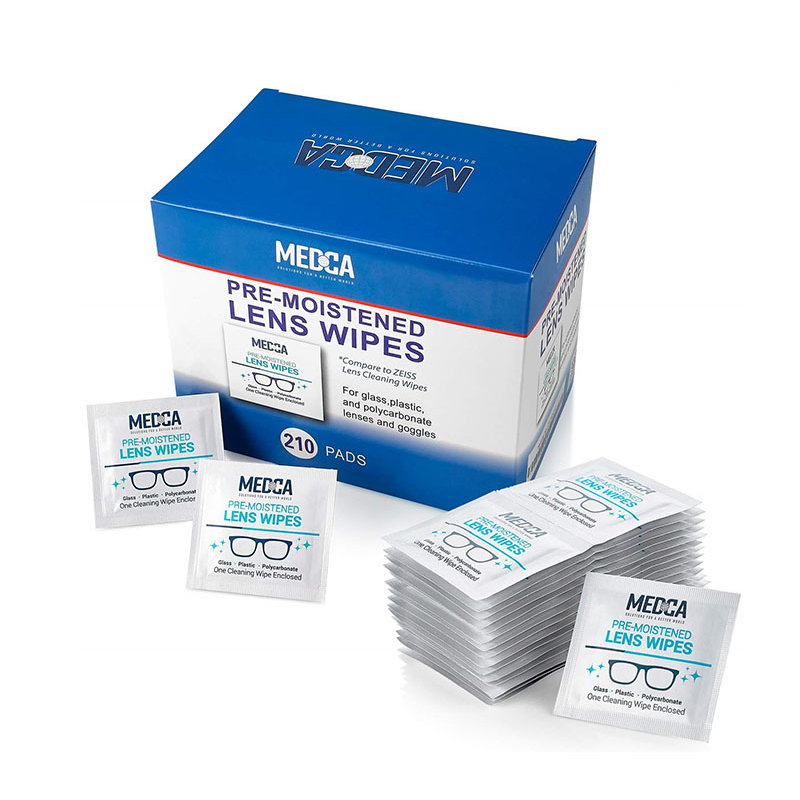
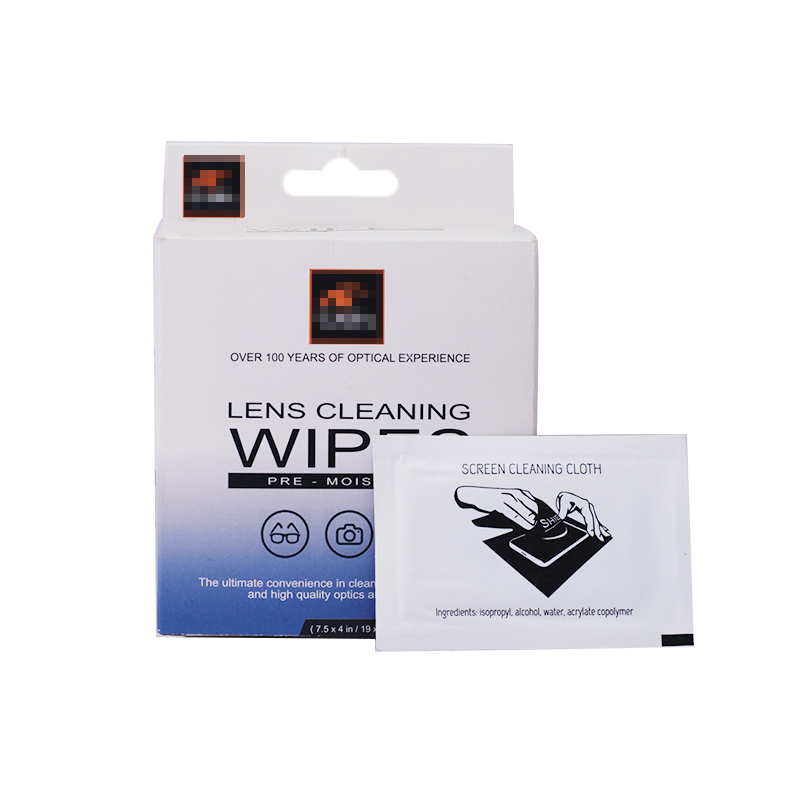
Individually sealed wipes are standard for airline service, hospitality amenity kits, and medical/clinical settings. Hermetic sealing ensures a shelf life of 2–3 years and eliminates cross-contamination risk. Unit cost is higher, but they're ideal for premium branding and controlled-use environments.
Multi-Sheet Soft Packs (10–80 sheets)
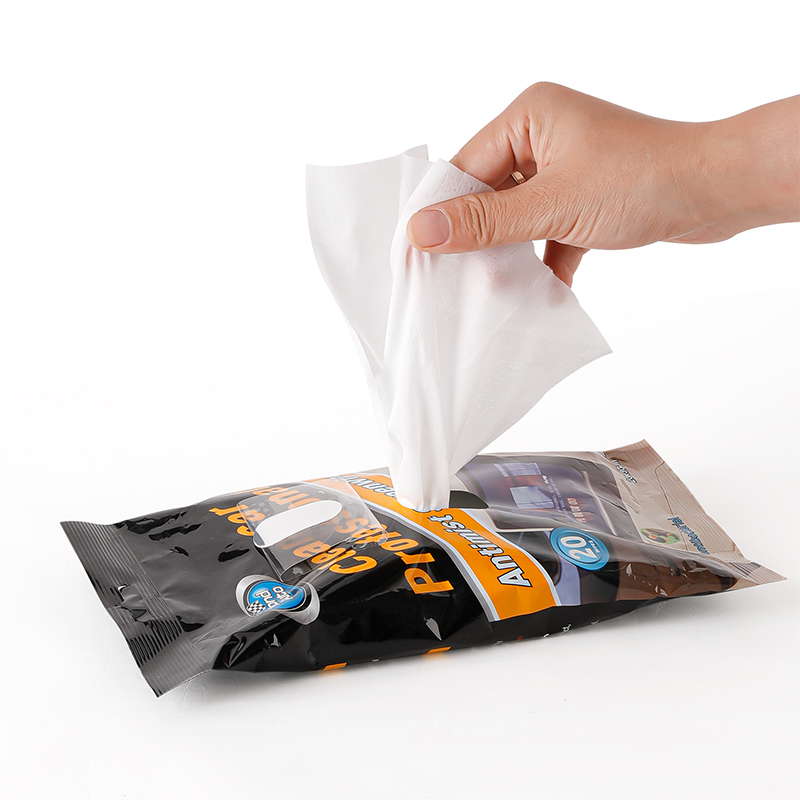
The dominant format for retail baby wipes, makeup remover wipes, and household cleaning wipes. Resealable adhesive flaps are critical — poor reseal quality accelerates moisture loss and is a leading cause of consumer complaints. Buyers should request reseal peel-force data from manufacturers.
Canister / Tub Format
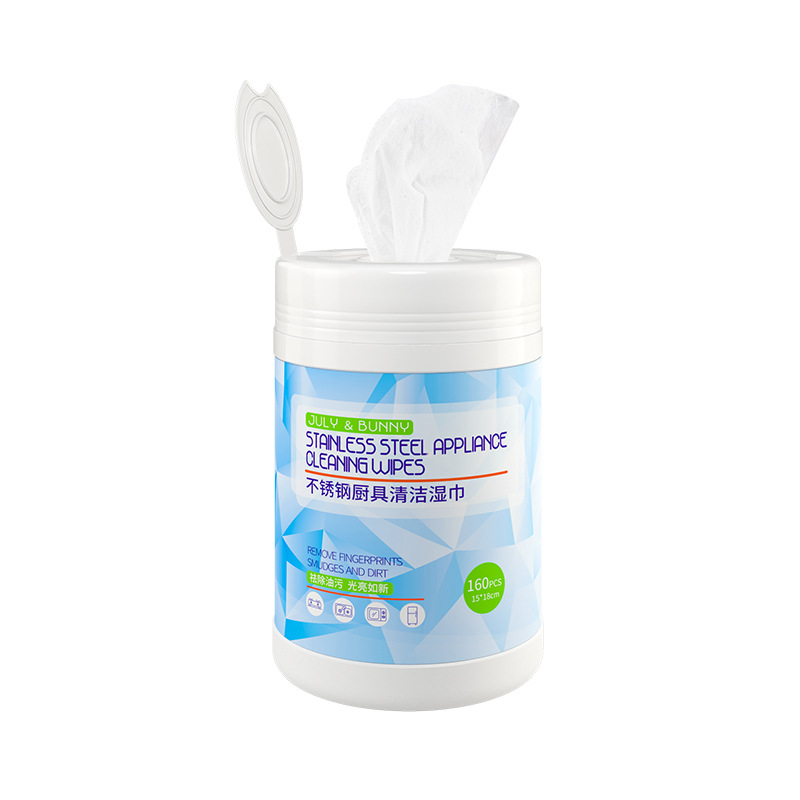
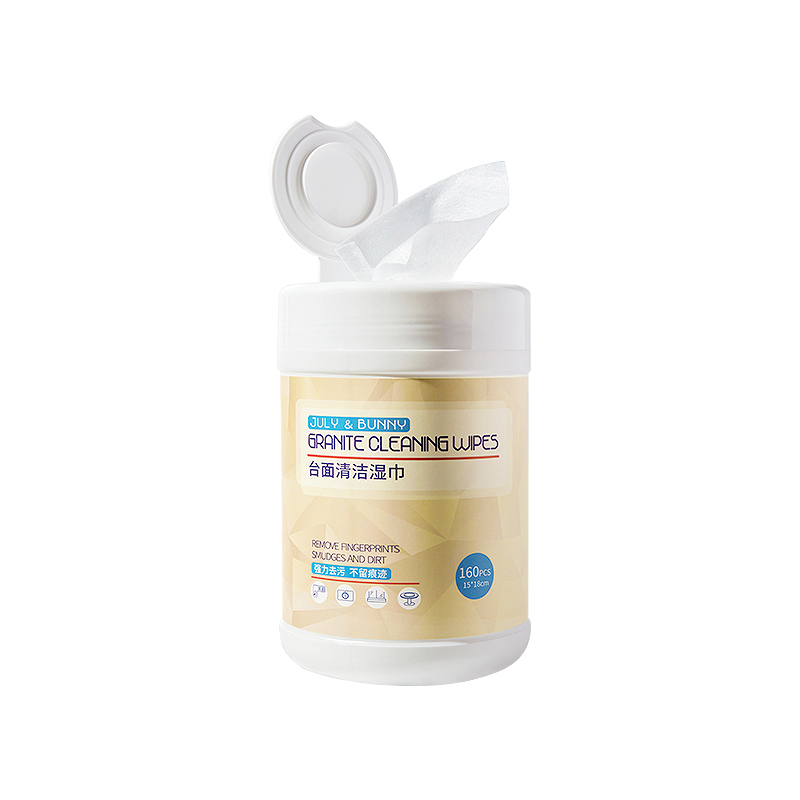
Best suited for household disinfecting wipes and surface cleaning products. Pop-up dispensing requires the wipes to be folded in a specific interleaved pattern. Canister rigidity provides a premium shelf presence, making it suitable for club-store and B2B supply channels.
Key Formulation Ingredients Buyers Should Recognize
Reading a wipe ingredient list goes beyond spotting the active agent. These supporting ingredients directly affect safety, skin compatibility, and product stability:
- Phenoxyethanol / Ethylhexylglycerin — Common preservative system; widely accepted as a paraben-free alternative for baby and personal care wipes
- Aloe Vera / Panthenol (Pro-Vitamin B5) — Soothing and moisturizing agents; frequently added to baby and makeup remover wipes to offset any drying effect
- Citric Acid / Sodium Citrate — pH buffers that keep formulations in the mildly acidic range (4.5–6.0), aligning with skin's natural pH
- Benzalkonium Chloride (BAC) — A quaternary ammonium disinfectant used in surface and multi-purpose wipes; not suitable for prolonged skin contact
- PEG-based surfactants — Aid in soil removal; amounts must be carefully controlled in baby wipes to avoid irritation
Our technical team works directly with buyers to tailor formulations — whether you need a fragrance-free baby wipe, a micellar-based makeup remover wipe, or a disinfecting household wipe — ensuring the formula matches your target market's regulatory and consumer expectations.
Regulatory Differences by Product Category
Wet wipes don't fall under a single regulatory category — their classification depends on intended use, and misclassification can delay customs clearance or trigger product recalls.
| Wipe Type |
Typical Classification |
Relevant Standards (Example) |
| Baby Wipes |
Cosmetic / Personal Care |
EU Cosmetics Regulation 1223/2009; GB/T 27728 (China) |
| Makeup Remover Wipes |
Cosmetic |
FDA Cosmetic Registration (US); CPNP (EU) |
| Alcohol / Disinfecting Wipes |
Disinfectant / Biocide |
EPA Registration (US); EU BPR 528/2012 |
| Household Cleaning Wipes |
General Consumer Product |
REACH compliance (EU); TSCA (US) |
| Medical / Aviation Wipes |
Medical Device or Controlled Supply |
ISO 13485; airline procurement specs |
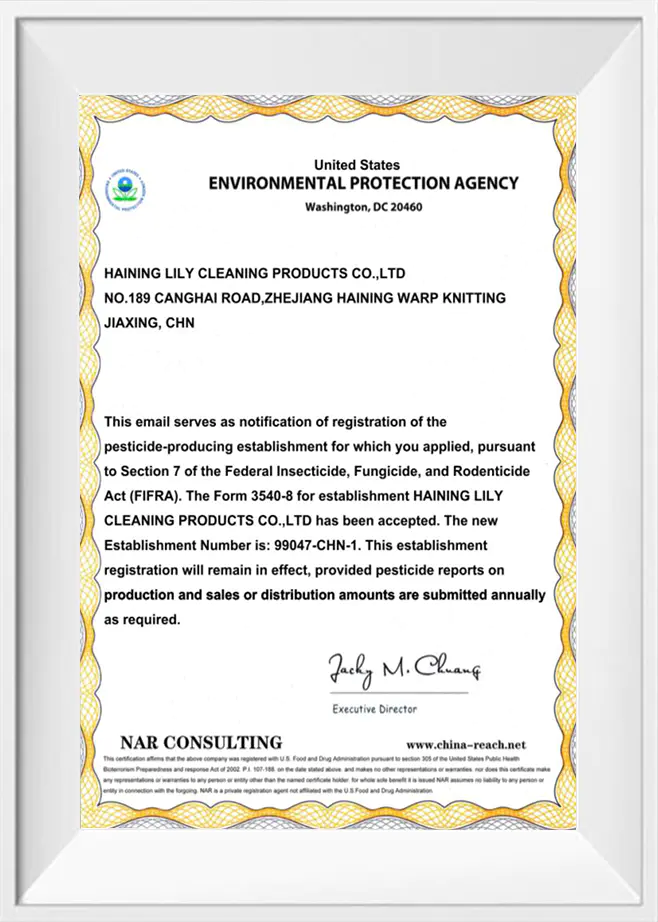
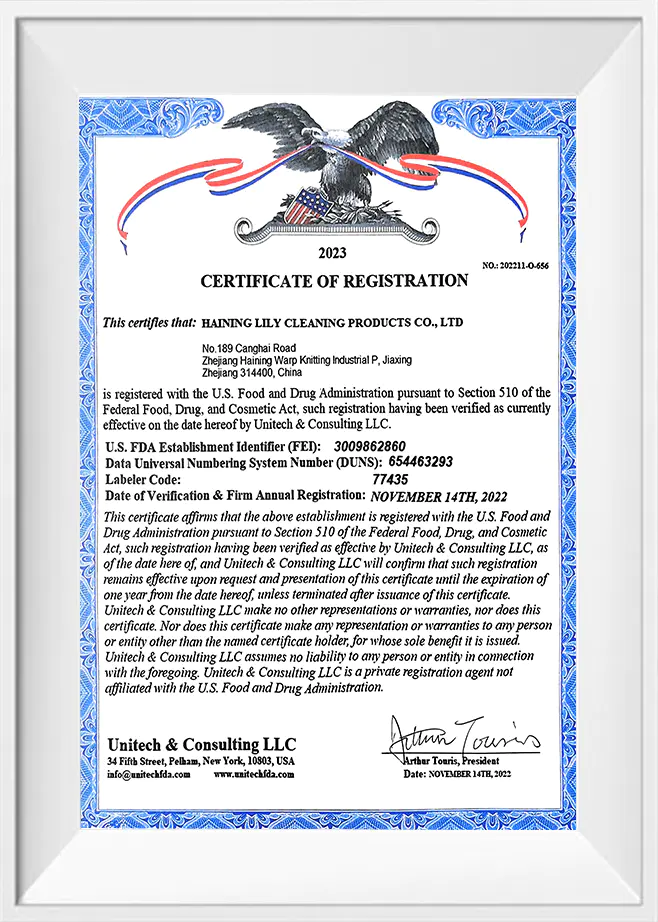
Regulatory classification varies by wipe type and target market — verify before importing
We recommend buyers clarify the end market and intended use claim before finalizing label copy, as a single wording change (e.g., "kills 99.9% of germs") can shift a product from cosmetic to biocide classification in many jurisdictions.
Understanding MOQ, Lead Time, and Production Scalability
For buyers entering private label for the first time, production timelines are often underestimated. Here's a realistic breakdown of what affects lead time in wet wipe OEM/ODM manufacturing:
- Formulation confirmation — 1–2 weeks if using a standard formula; 3–6 weeks for custom formulations requiring stability and patch testing
- Packaging design and artwork approval — typically 1–3 weeks depending on revision rounds
- Packaging material procurement — 2–4 weeks for custom-printed pouches or tubs; standard packaging can be sourced faster
- Production run — With automated lines capable of over 600,000 units per day, large orders can be fulfilled rapidly once materials are on hand
- QC and documentation — 3–5 business days for batch testing, CoA issuance, and pre-shipment inspection
Total lead time for a new private label SKU typically runs 45–60 days from confirmed order to ready-to-ship. Repeat orders with unchanged specs can be turned around in 20–30 days. Planning seasonal inventory with this buffer prevents stockouts during high-demand periods.
Flushability Claims: A Minefield for Private Label Buyers
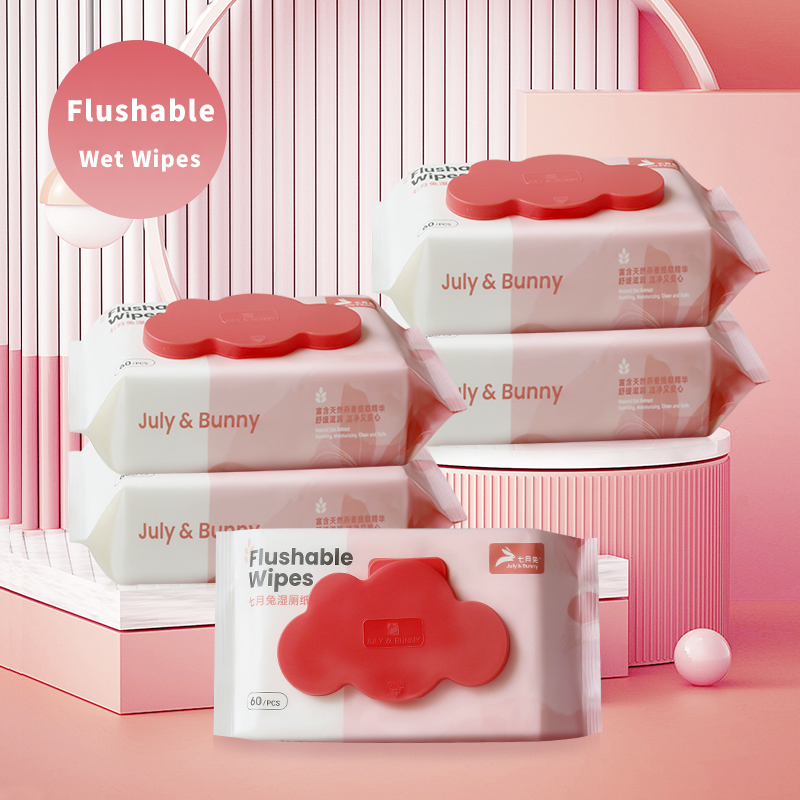
Private label wet wipes as "flushable" is one of the most legally and technically contested areas in the industry. Most conventional wet wipes are not truly flushable by wastewater industry standards, even if they eventually disintegrate.
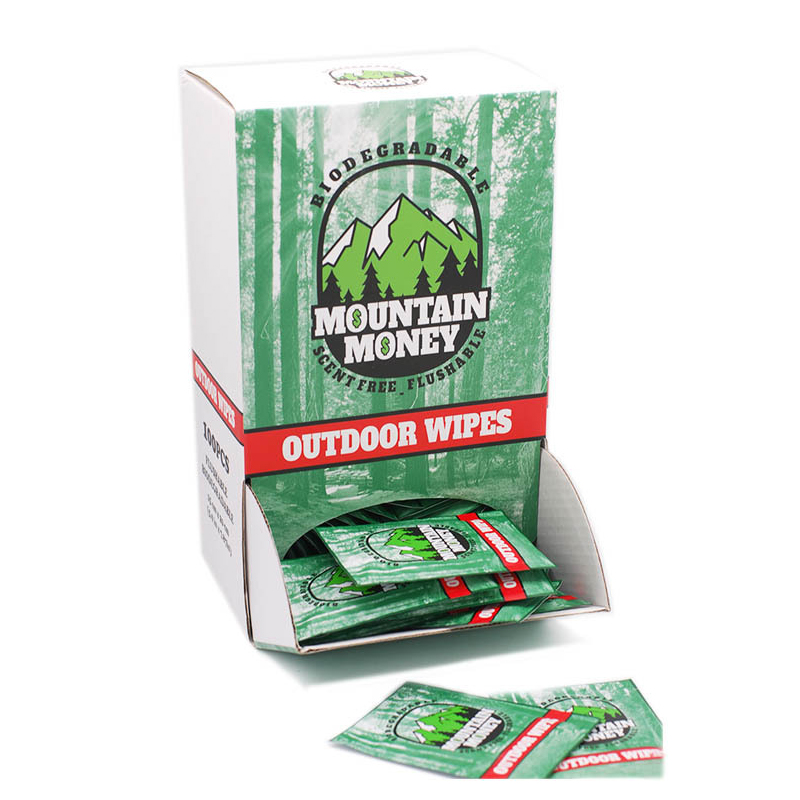
The key benchmark is the INDA/EDANA Fine-to-Flush (FtF) standard, which requires wipes to disintegrate within a defined time and turbulence threshold that simulates real sewer conditions. Only wipes certified to this standard should carry flushable claims in markets like the UK, EU, and Australia, where regulations are tightening.
For buyers who want to enter the flushable segment:
- Substrate must be cellulose-based (e.g., wood pulp or lyocell), not synthetic fiber blends
- Third-party disintegration testing is required before making any on-pack claim
- Claims must be country-specific — what's permissible labeling in one market may constitute false advertising in another
If your target market does not require flushability, opting for high-quality spunlace substrates delivers better wipe performance at lower cost and regulatory risk.


 English
 русский
 عربى
عربى