Active Ingredient Selection in Mosquito Repellent Wipes and Skin Compatibility
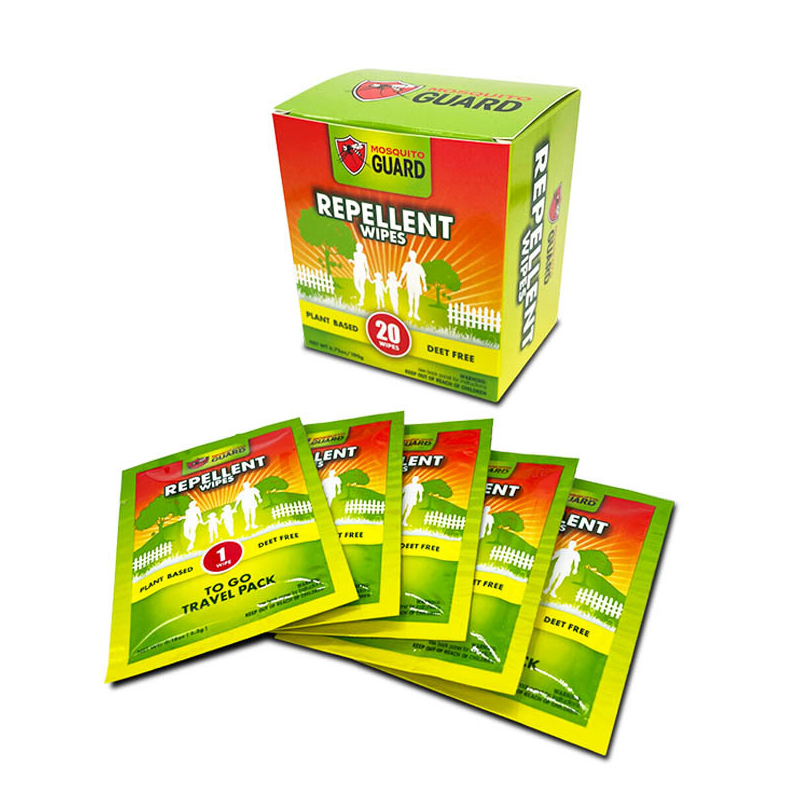
When discussing Mosquito Repellent Wipes, the key technical focus is not only on repelling efficiency but also on dermal tolerance under repeated application. In professional formulations, common active ingredients include DEET, picaridin (icaridin), IR3535, and plant-derived citronella oil. Each has different volatility, skin permeation characteristics, and compatibility with nonwoven substrates.
For example, picaridin offers a lower odor profile and reduced plastic interaction, making it suitable for individually packed wipes stored in laminated film sachets. DEET, while highly effective, requires compatibility testing with packaging films to avoid softening or leakage. In our OEM practice at HAINING LILY CLEANING PRODUCTS CO.,LTD., we often advise customers to conduct accelerated stability tests at 40°C for 30 days to evaluate evaporation rate and fabric integrity. With our automated production lines and over 600,000 units daily output capacity, we can rapidly support pilot runs for such validation batches.
Balancing Repellency Duration and Skin Moisture Retention
Advanced Mosquito Repellent Wipes formulations increasingly combine humectants such as glycerin or propanediol to counteract alcohol-induced dryness. The challenge lies in maintaining sufficient surface deposition of active repellent molecules while preventing excessive occlusion. A well-balanced formulation typically keeps total alcohol content below 35% for sensitive-skin applications, while ensuring microbial safety through appropriate preservative systems.
- Low-volatility actives extend protection time but may leave residue.
- High alcohol content improves drying speed but increases transepidermal water loss.
- Nonwoven grammage above 40gsm enhances liquid retention and uniform transfer.
Packaging Engineering and Barrier Performance for Mosquito Repellent Wipes
The protective efficiency of Mosquito Repellent Wipes is closely linked to packaging barrier properties. Multi-layer PET/PE or PET/AL/PE laminates reduce active ingredient loss and oxygen permeation. For high-volatility botanical formulas, aluminum foil layers significantly slow evaporation compared to standard OPP films.
In large-scale production environments like ours—operating within an 8,000-square-meter factory in Zhejiang Province—automated sachet sealing temperature control is critical. Seal strength below 15N/15mm may result in micro-leakage, while excessive heat can damage repellent actives. We typically recommend burst strength and vacuum leak testing for export-oriented private label projects.
| Packaging Type |
Barrier Level |
Recommended Formula Type |
| PET/PE |
Medium |
Alcohol-based |
| PET/AL/PE |
High |
Botanical essential oil |
| Flow pack with lid |
Variable |
Family multi-pack |
Regulatory and Testing Considerations in Global Markets
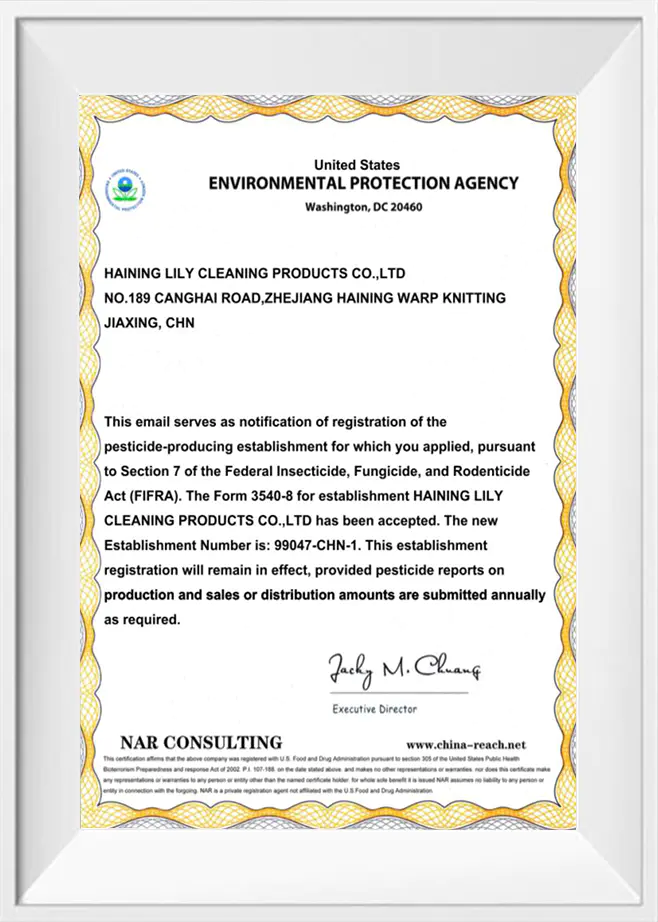
Mosquito Repellent Wipes are regulated differently depending on market classification. In the United States, products containing chemical repellents may fall under EPA pesticide regulations. In the EU, Biocidal Products Regulation (BPR) applies. This affects labeling claims, allowable concentration, and required safety dossiers.
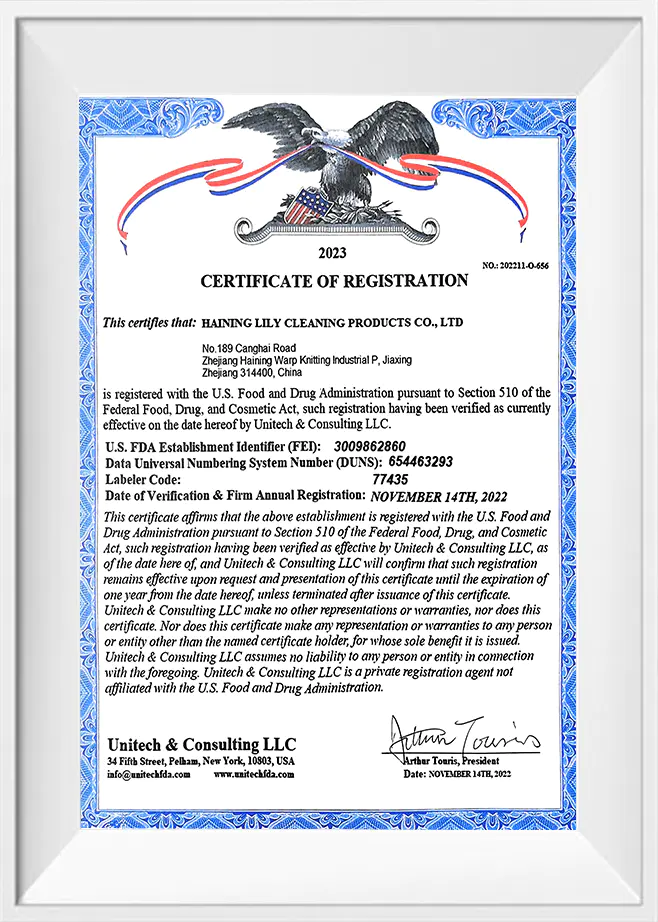
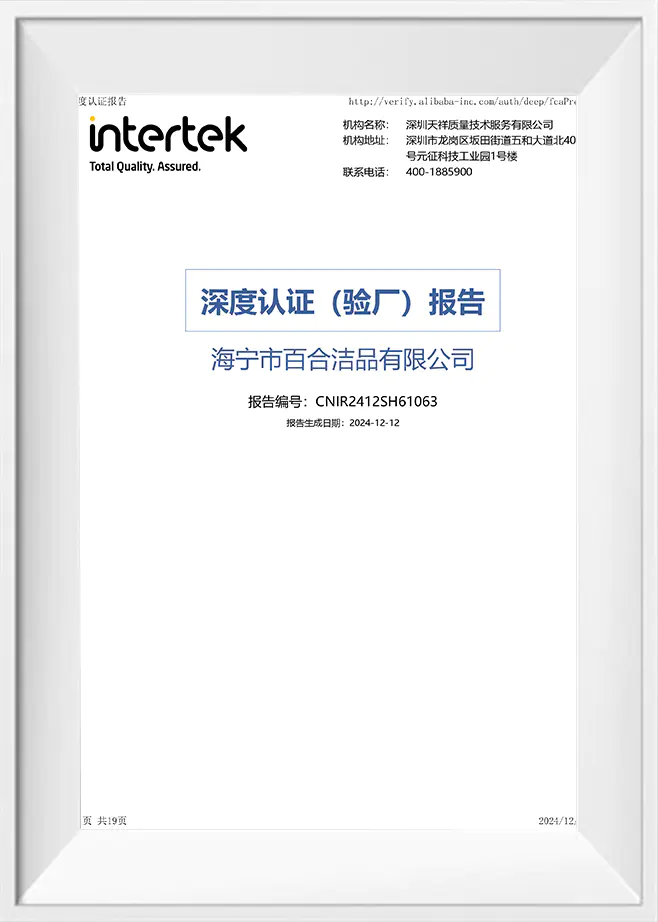
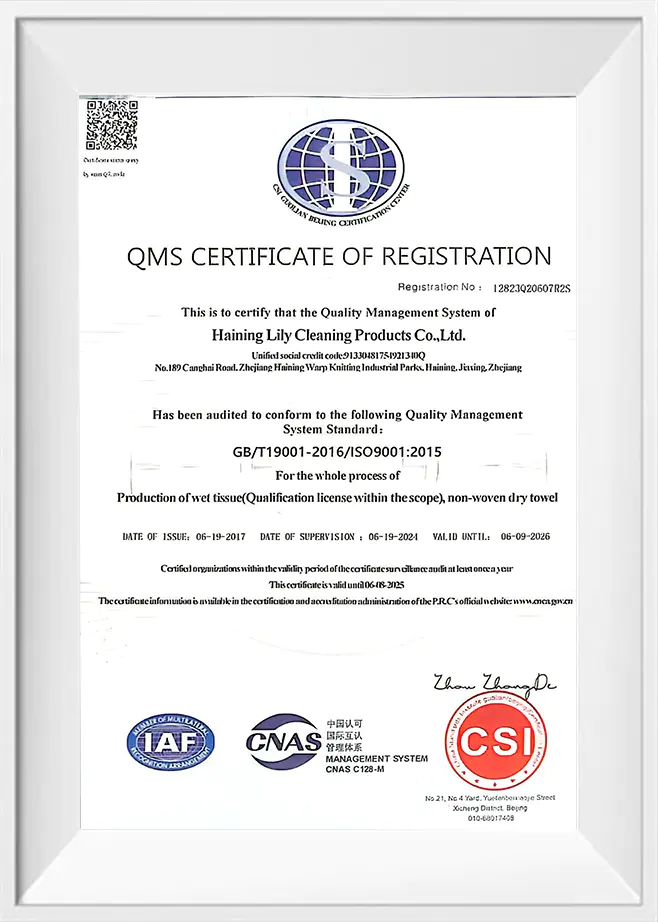
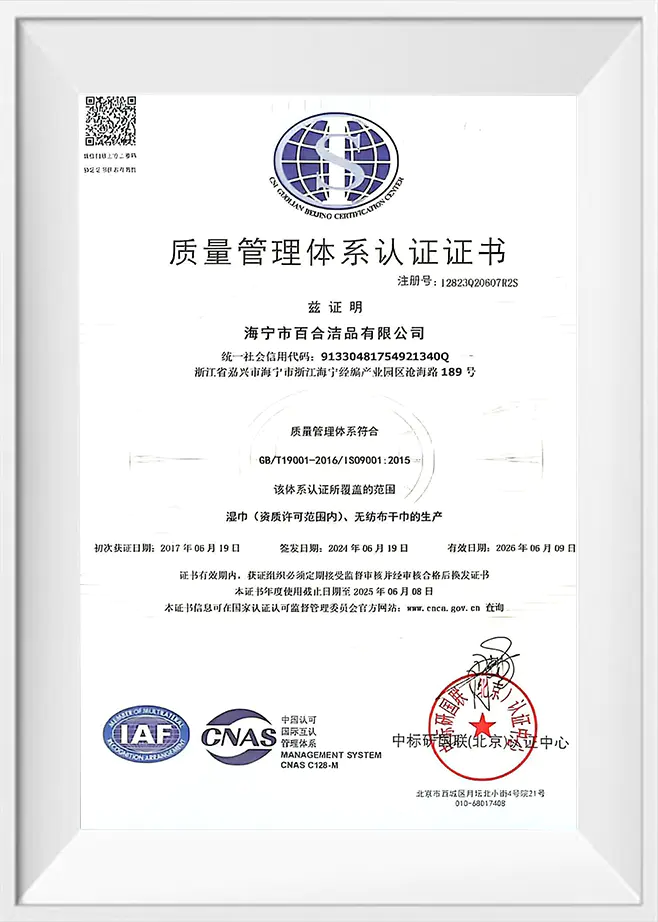
For ODM and OEM customization projects, compliance documentation must include ingredient disclosure, MSDS, skin irritation testing, and preservative challenge testing. Our technical team, with more than 10 experienced personnel, regularly coordinates third-party lab validation to ensure documentation aligns with client distribution markets. We believe that honesty as the foundation and quality first is not just a slogan—it directly determines whether private labeling projects can pass customs clearance smoothly.
Microbial Control and Shelf-Life Verification
Even when alcohol is present, preservative systems remain essential in Mosquito Repellent Wipes. High water activity inside wipes can support microbial growth if contamination occurs during manufacturing. ISO-compliant clean production areas, regular environmental monitoring, and microbial limit testing are necessary to maintain safety across bulk production exceeding hundreds of thousands of units per day.
Substrate Technology and Liquid Distribution Efficiency
Nonwoven structure directly impacts repellent transfer efficiency. Spunlace fabrics provide higher softness and better liquid dispersion, while air-laid substrates offer improved thickness and absorption. For Mosquito Repellent Wipes intended for outdoor use, tensile strength above 15N in the machine direction reduces tearing during application.
Liquid add-on rate typically ranges from 250% to 350% of fabric weight. Excess loading may cause pooling inside sachets, while insufficient loading reduces coverage area per wipe. In our daily manufacturing operations, automated dosing systems help maintain consistent add-on ratios, ensuring that each wipe delivers predictable repellency performance.
As wet wipes become an essential part of modern life—from baby wipes to aviation wipes and now Mosquito Repellent Wipes—the technical refinement behind each sheet matters more than ever. Through continuous process optimization and private labeling flexibility, we are committed to making high-performance wipes accessible while maintaining rigorous quality standards.


 English
 русский
 عربى
عربى