What "Custom Packaging" Actually Means for Baby Wipes
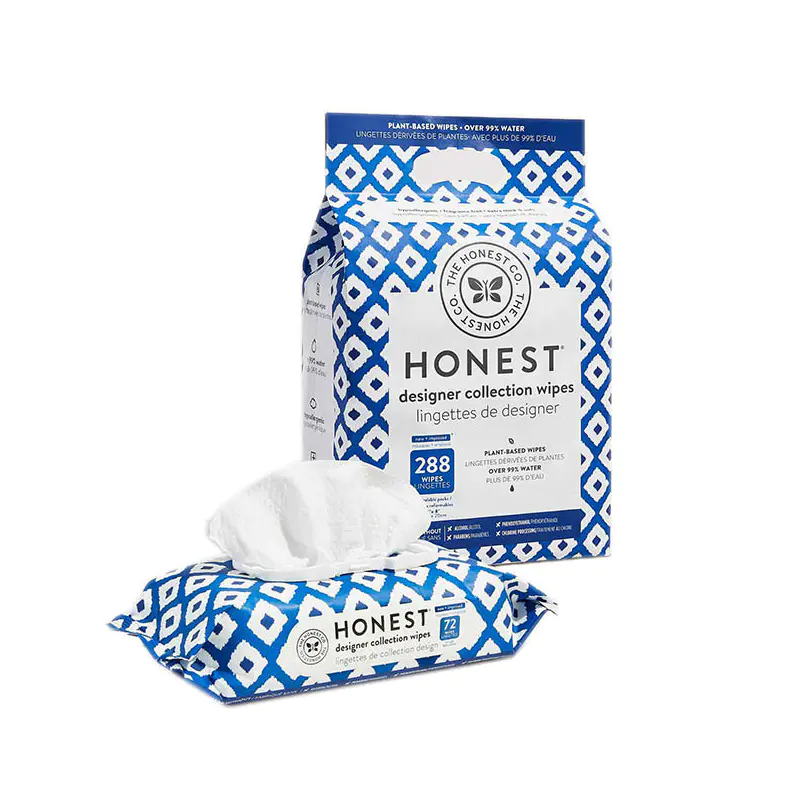
Custom baby wipes packaging goes far beyond printing a logo on a pouch. It encompasses the entire structural and material decision chain — from the resealable lid type and pouch film lamination to the printing method and language variants for different markets. Buyers should distinguish between two levels of customization:
- Graphic customization: Brand colors, logo, regulatory text, barcode, and language — applied to an existing package structure.
- Structural customization: Package format (flip-top box, soft pouch, single sachet), reseal mechanism type, material thickness, and special finishes like matte lamination or embossing.
Most OEM/ODM factories — including ours — support both levels, but structural changes typically require higher MOQs and longer lead times. Clarifying which level you need upfront prevents costly revision rounds.
Packaging Format Comparison: Which One Fits Your Channel?
The sales channel largely dictates the optimal package format. Below is a practical breakdown to guide your decision:
Package format suitability by distribution channel and use case
| Format |
Typical Count |
Best Channel |
Key Advantage |
| Single sachet |
1 sheet |
Travel retail, hospitality, sampling |
Hygienic seal, zero waste per use |
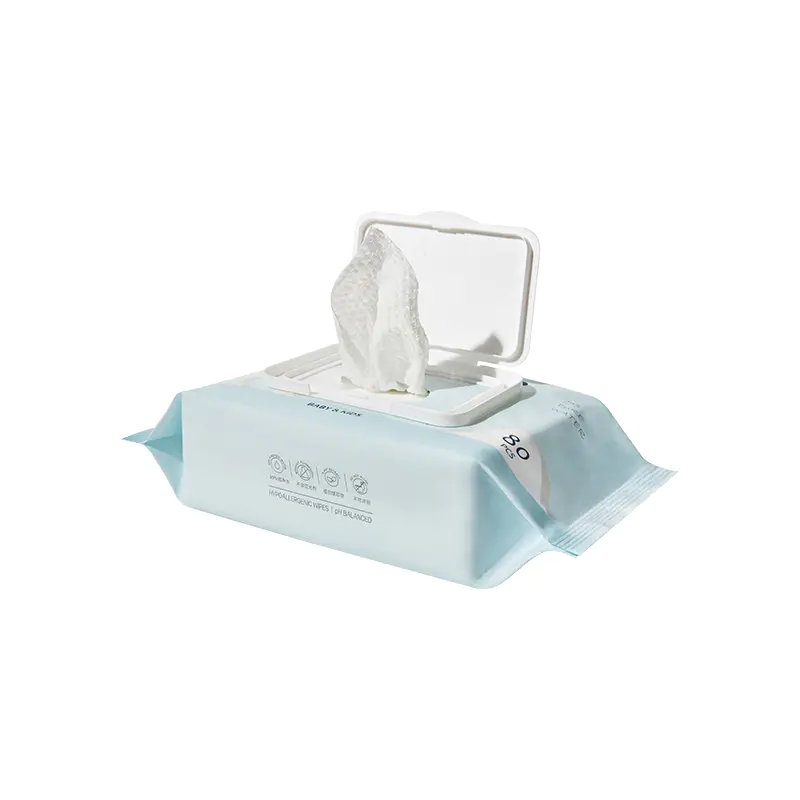
| Soft pouch (resealable) |
20–80 sheets |
Supermarket, e-commerce |
Cost-efficient, shelf-friendly |
| Flip-top hard box |
60–100 sheets |
Premium retail, gift sets |
Perceived quality, one-hand access |
| Refill pack |
80–120 sheets |
Subscription, eco-focused brands |
Reduced plastic, repeat purchase model |
For brands entering multiple channels simultaneously, a unified graphic identity across different formats improves recognition while keeping tooling costs manageable.
Film Material Selection and Its Impact on Shelf Life
The packaging film is your first line of defense against moisture evaporation — arguably the most critical quality factor for wet wipes. Common structures include:
- PE/CPP: Basic, economical, suitable for short shelf-life or domestic distribution. Lower barrier properties.
- PET/PE or BOPP/PE: Mid-range barrier, good printability, standard choice for retail baby wipes targeting 18–24 month shelf life.
- Aluminum foil laminate: Maximum moisture and light barrier, used when active ingredients (e.g., specific botanical extracts) require extra protection.
Thicker gauge (e.g., 80–100 microns vs. 60 microns) increases puncture resistance for shipping but also raises material cost. Always request a WVTR (Water Vapor Transmission Rate) spec sheet from your supplier to objectively compare films rather than relying on verbal descriptions.
Reseal Lid Performance: A Detail Buyers Often Overlook
The reseal mechanism on a soft pouch directly affects consumer satisfaction and repeat purchase rates. There are three dominant types:
Adhesive Sticker Lid
The most economical option. Adhesion quality degrades noticeably after 15–25 open/close cycles in most commercial grades. Acceptable for low-frequency-use products or price-sensitive markets.
PP Snap-on Lid (Hard Lid)
Separately injection-molded and heat-welded onto the pouch. Maintains seal integrity significantly longer and withstands repeated handling. Adds roughly 10–20% to packaging unit cost but is strongly preferred for premium baby care positioning.
Zipper Seal
Common in refill packs and household wipes. Less aesthetically refined but highly functional for products opened multiple times per day. Not typically used in mainstream baby wipe retail in Asia, more prevalent in European markets.
Regulatory Labeling Requirements Vary Significantly by Market
If you're distributing across multiple regions, packaging artwork must be adapted per destination — not just translated. Key differences include:
- EU (Cosmetics Regulation 1223/2009): Full INCI ingredient list, responsible person address within the EU, safety symbol, and net content by weight or count — all mandatory on-pack.
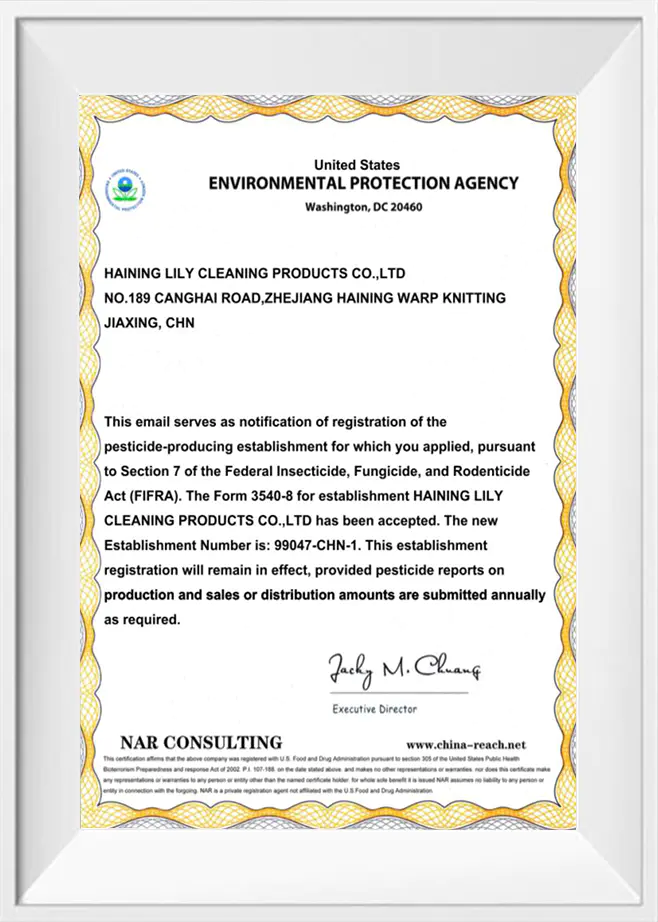
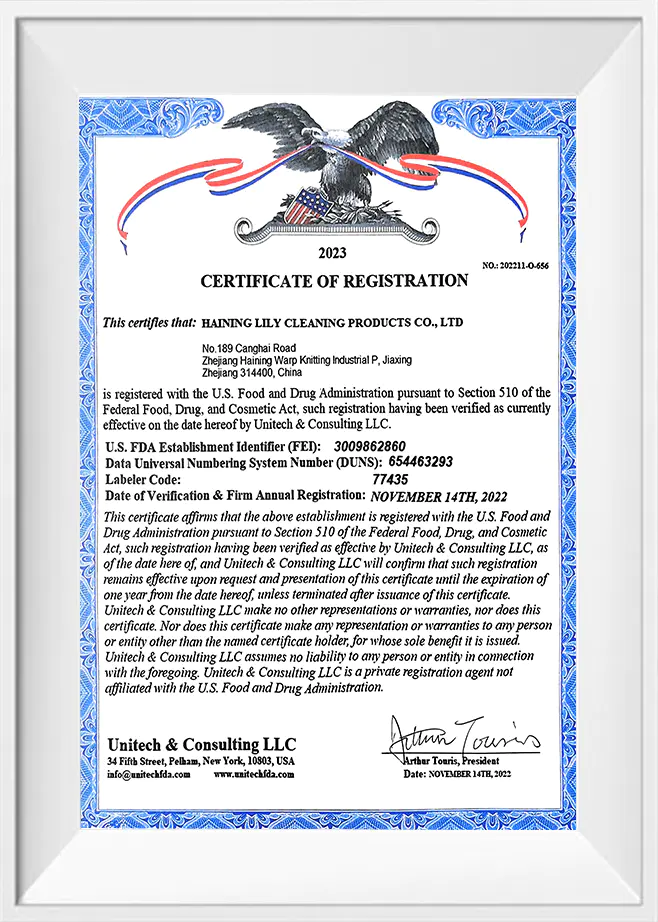
- USA (FDA OTC / Cosmetics): Ingredient declaration in descending order of predominance, domestic distributor address, fair packaging requirements. MoCRA (2022) added new facility registration obligations.
- China (GB standards): Chinese-language labeling mandatory, full ingredient list, production date + shelf life or expiry date, production license number, and hygiene license.
- Middle East / GCC: Arabic language panel often required; halal certification mark increasingly expected by retailers.
We support ODM clients in preparing market-specific artwork templates, which significantly reduces back-and-forth during print approval. Confirming label requirements before artwork finalization is always more efficient than revising at the film-printing stage.


 English
 русский
 عربى
عربى