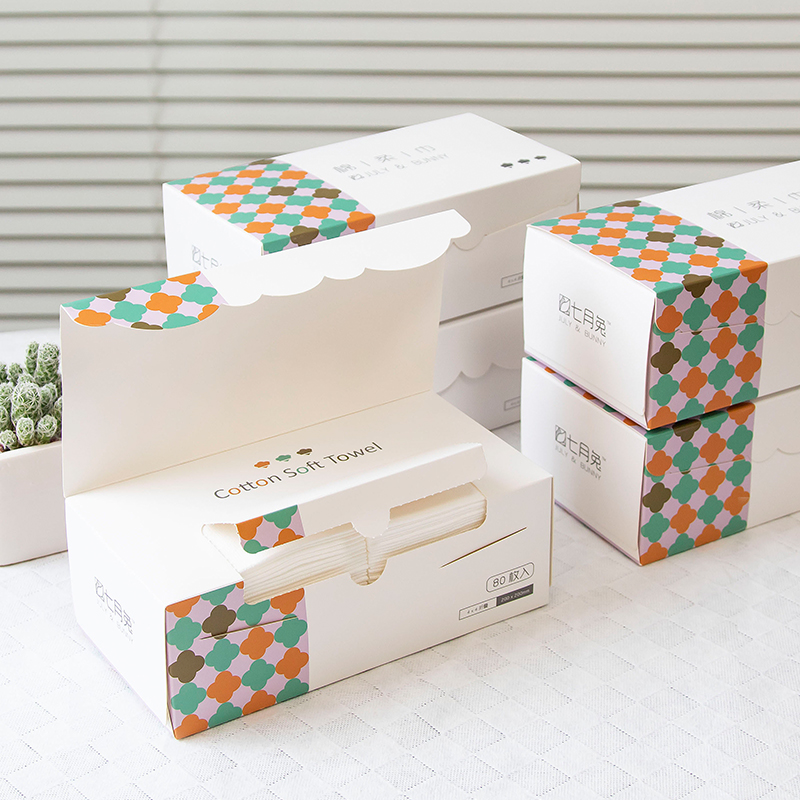
Fiber Structure and Absorption Efficiency in Disposable Cotton Wipes
In the production of Disposable Cotton Wipes, fiber length uniformity and web formation methods directly affect liquid absorption speed and structural stability. Long-staple cotton fibers create higher capillary channels, enabling faster water uptake, while short fibers increase density and surface smoothness. For high-end skincare applications, hydroentangled (spunlace) processing improves inter-fiber bonding without chemical binders, preserving softness and reducing lint shedding.
Absorption rate is typically measured by vertical wicking height within 30 seconds. Premium Disposable Cotton Face Towels often exceed 7 cm in standardized testing, ensuring efficient moisture removal after cleansing. In our 8,000-square-meter facility in Zhejiang, automated production lines allow us to maintain consistent fiber blending ratios, which is critical when scaling to over 600,000 units per day without compromising performance.
Lint Control and Surface Integrity
Lint generation is a common technical concern in Disposable Face Towels used for cosmetic or medical-adjacent purposes. Excess lint may interfere with toner application or post-treatment skin recovery. To minimize this, manufacturers apply high-pressure water jets during spunlace processing to entangle fibers tightly. Controlled drying temperature below 120°C prevents fiber brittleness and micro-fracture.
- Higher GSM (grams per square meter) improves tensile strength but may reduce breathability.
- Edge embossing enhances structural stability during wet use.
- Controlled humidity storage prevents secondary contamination before packaging.
Hygiene Standards and Microbial Risk Management
Although Disposable Cotton Wipes and Disposable Cotton Face Towels are typically dry products, microbial control during production remains critical. Cotton is naturally hygroscopic, meaning it can absorb ambient moisture if stored improperly. Cleanroom-grade production environments, HEPA-filtered air circulation, and regular microbial limit testing significantly reduce contamination risk.
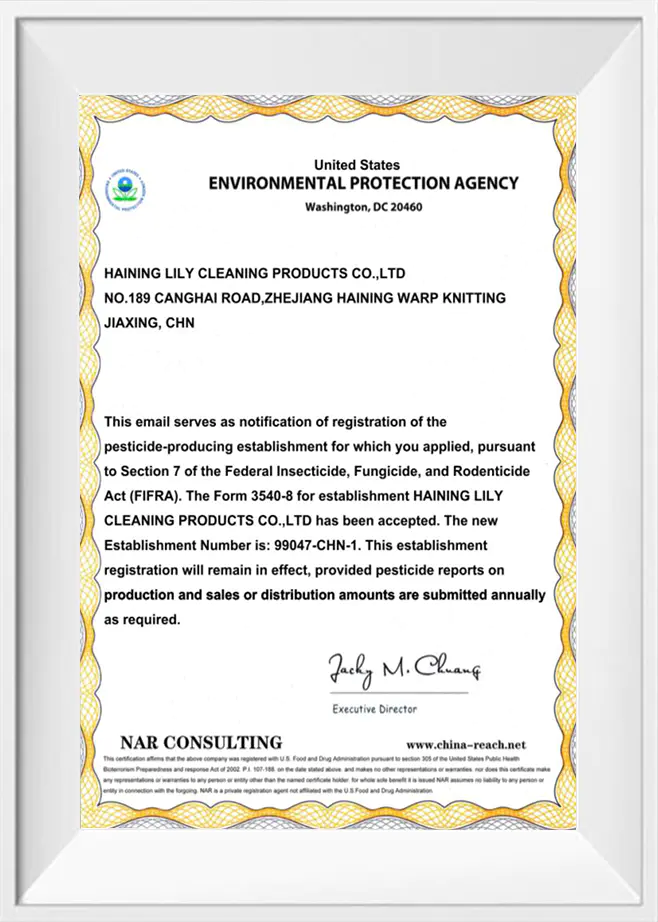
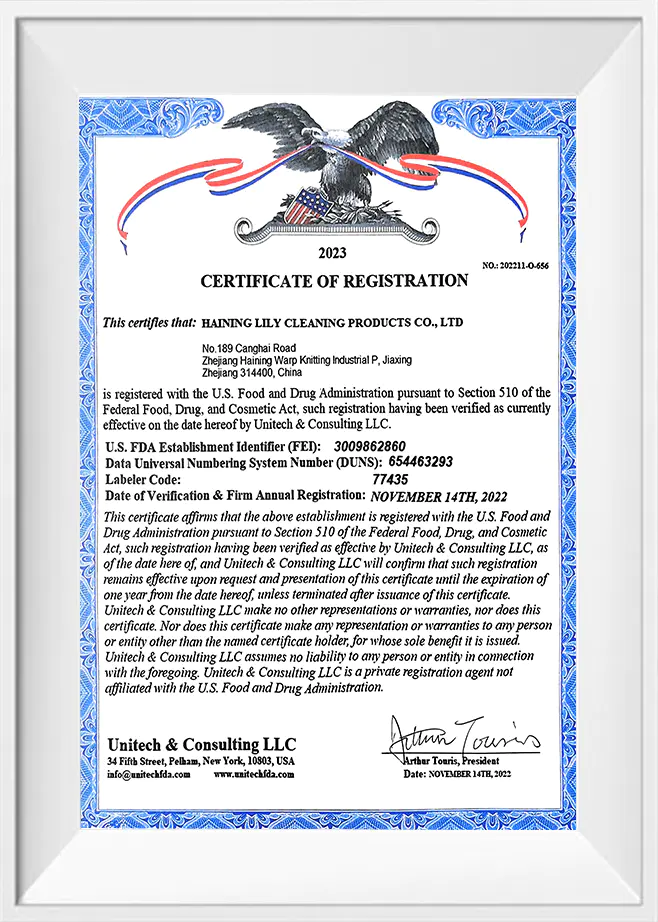
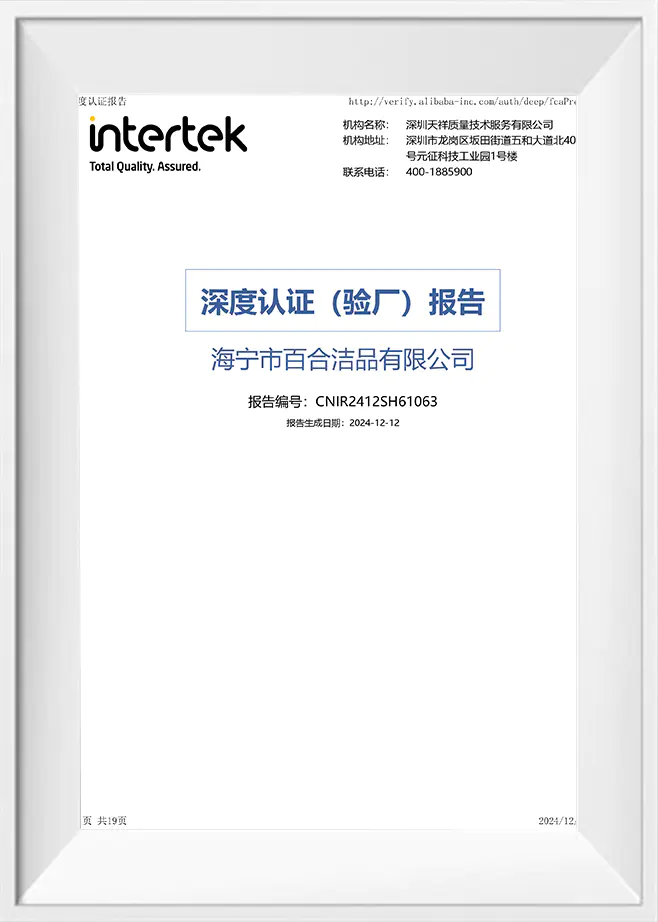
At HAINING LILY CLEANING PRODUCTS CO.,LTD., we integrate hygiene protocols originally developed for alcohol wipes and baby wipes into our Disposable Face Towels production lines. This cross-category experience allows us to maintain consistent microbial standards. We always believe that “quality first” is not a slogan but a measurable outcome demonstrated in every batch inspection report.
Packaging Configurations and Shelf Stability
Packaging choices influence product longevity and hygiene protection. Individually wrapped Disposable Cotton Face Towels reduce cross-contamination risk in travel or hospitality settings, while multi-pack flow wrapping improves cost efficiency for household use. Oxygen transmission rate (OTR) and moisture vapor transmission rate (MVTR) values of packaging films are important indicators when exporting to humid regions.
| Packaging Type |
Application Scenario |
Key Advantage |
| Single-piece sachet |
Travel / Hotel |
Maximum hygiene isolation |
| Resealable flow pack |
Family daily use |
Cost efficiency |
| Carton bulk pack |
Beauty salon |
High-volume dispensing |
Tensile Performance and Wet Strength Optimization
For Disposable Cotton Wipes intended for facial cleansing, wet tensile strength is often more important than dry strength. During washing, fibers absorb water and expand, potentially weakening internal bonding. Reinforcement techniques include cross-lapping fiber orientation and increasing hydroentanglement density. A wet tensile strength above 12N in both machine and cross directions is generally considered suitable for repeated wiping motions.
With over 90 employees and more than 10 technical personnel, our team continuously refines production parameters to balance softness and durability. When supporting ODM and OEM customization, we frequently adjust grammage, embossing pattern, and cutting dimensions to match regional consumer preferences. This flexibility enables us to meet personalized private labeling requirements while maintaining stable large-scale output.
Environmental Considerations and Material Transparency
As Disposable Face Towels become more common in households, environmental impact assessments are increasingly requested by distributors. Pure cotton substrates are biodegradable under appropriate composting conditions, but bleaching processes and finishing treatments must comply with environmental discharge standards. Oxygen-based bleaching agents are generally preferred over chlorine-based systems to reduce harmful by-products.
We are committed to producing Disposable Cotton Face Towels that align with sustainable manufacturing trends while maintaining high performance. By combining advanced automation with responsible sourcing practices, we strive to bring safer and more reliable disposable hygiene solutions into everyday life, making them an essential and trustworthy choice for modern consumers.


 English
 русский
 عربى
عربى