What "Disposable Dry Towel" Actually Means on a Product Label
The term "disposable dry towel" covers a surprisingly wide range of products. In the industry, they are typically classified by raw material rather than end use:
- Spunlace nonwoven: The most common substrate. Soft, lint-free, and suitable for skin contact. Can be dry or rewetted.
- Airlaid paper: Thicker and more absorbent than standard nonwoven. Often used for kitchen or facial applications.
- Pearl-grain embossed nonwoven: A textured variant offering better grip and exfoliation — popular in beauty routines.
- Composite (nonwoven + cotton layer): Higher cost, higher softness — typically positioned as premium SKUs.
When sourcing, ask suppliers specifically which substrate is used. Products labeled "cotton soft" are not always made from cotton — many use viscose or polyester blends that mimic the feel.
GSM: The Number That Determines Feel, Cost, and Use Case
GSM (grams per square meter) is the single most important spec when comparing dry towels. It directly affects thickness, absorbency, durability, and price point.
GSM ranges and typical application scenarios
| GSM Range |
Feel |
Typical Use |
Cost Level |
| 30–50 GSM |
Light, thin |
Makeup removal, travel packs |
Low |
| 55–70 GSM |
Medium, balanced |
Face cleansing, baby care |
Mid |
| 75–100 GSM |
Thick, absorbent |
Kitchen, body drying, gym |
Mid–High |
| 100 GSM+ |
Dense, towel-like |
Premium spa, salon, medical |
High |
Don't over-spec for your use case. A 40 GSM towel is perfectly adequate for facial cleansing but will feel flimsy as a body towel — and vice versa, a 100 GSM towel adds unnecessary cost to a makeup-removal application.
Dry Towels as a Wet Wipe Blank: The Dual-Use Logic
One underutilized sourcing strategy is treating dry towels as an unimpregnated wet wipe substrate. A dry spunlace towel can be saturated with solution at the point of use — or pre-loaded during manufacturing — making the same base material serve two entirely different product lines.
We manufacture both dry towels and a full range of wet wipes — including alcohol wipes, baby wipes, and makeup remover wipes — using the same production infrastructure. This means buyers looking to develop a product line can often consolidate substrate sourcing and reduce MOQ complexity by working with a single manufacturer.
Key considerations when using a dry towel as a wet wipe base:
- Fiber composition matters: Polyester-heavy blends absorb less liquid and release solution more slowly — not ideal for heavy-saturation wipes.
- Binding method: Thermally bonded nonwovens may degrade faster when wet compared to hydroentangled (spunlace) alternatives.
- Packaging compatibility: Dry towel rolls or folded stacks require different sealing specs than a wet wipe pouch — confirm with your supplier early.
Packaging Formats and Their Impact on Retail Positioning
Packaging is not just logistics — it communicates price tier and use context to the end consumer before they touch the product. The main formats for disposable dry towels:
Roll Format
Perforated rolls (similar to paper towels) signal household/kitchen use. High sheet count per roll lowers the perceived per-unit cost, making this format effective for value-positioning. Less suited for beauty or personal care branding.
Canister / Box Pop-Up
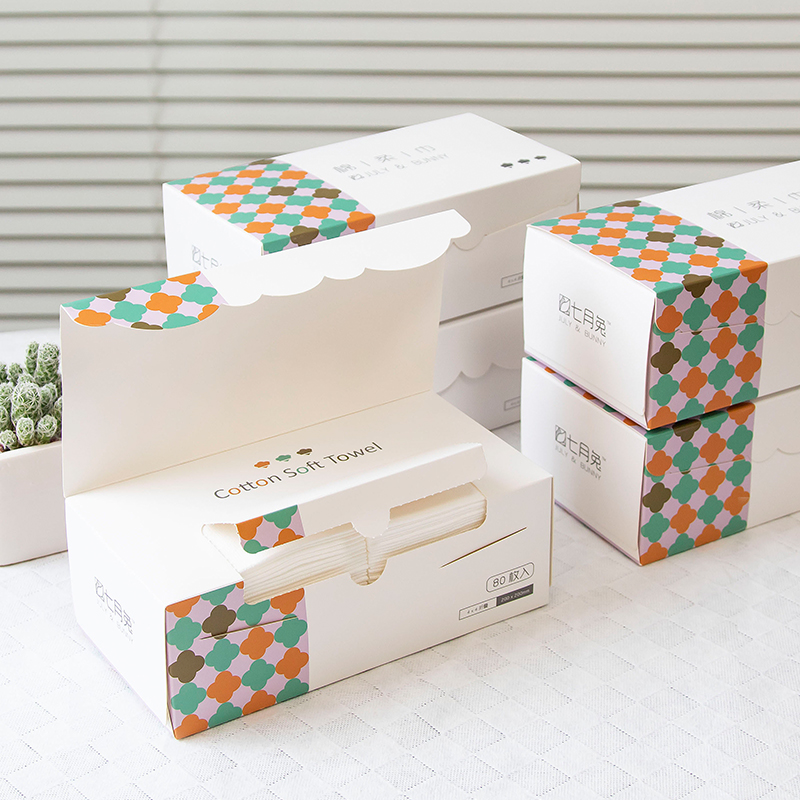
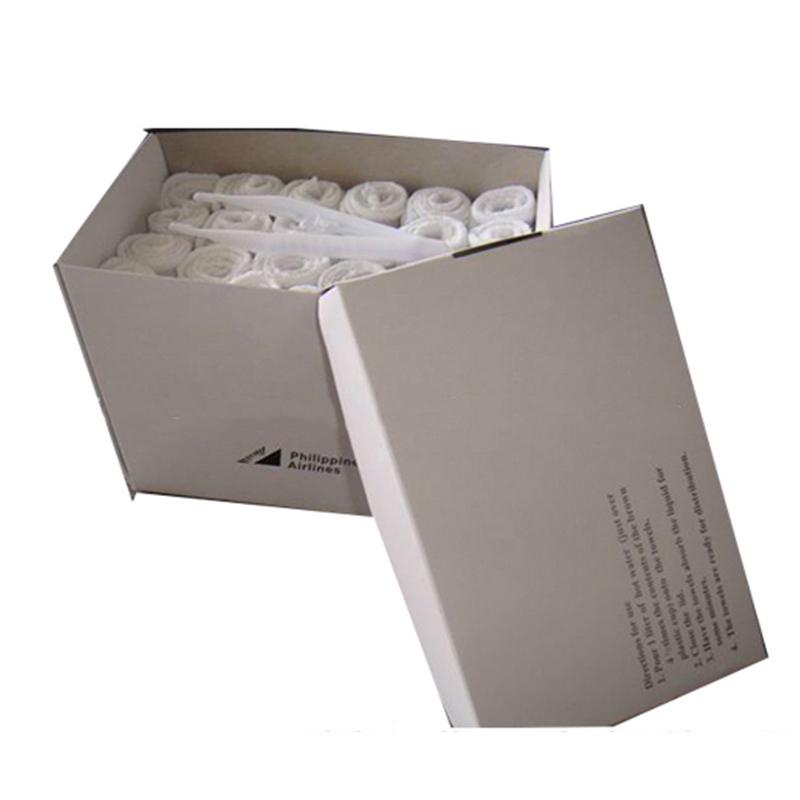
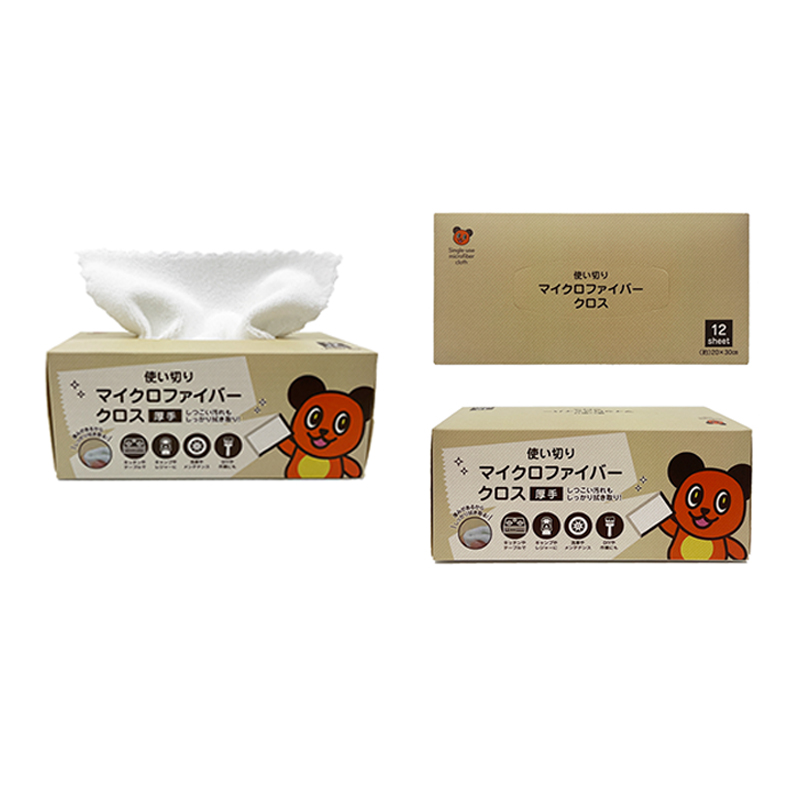
Folded interleaved sheets in a cylindrical or rectangular dispenser. Common in salon, gym, and medical settings. Projects a more professional image and allows for branded packaging surfaces.
Individual Sachet (Single-Use)
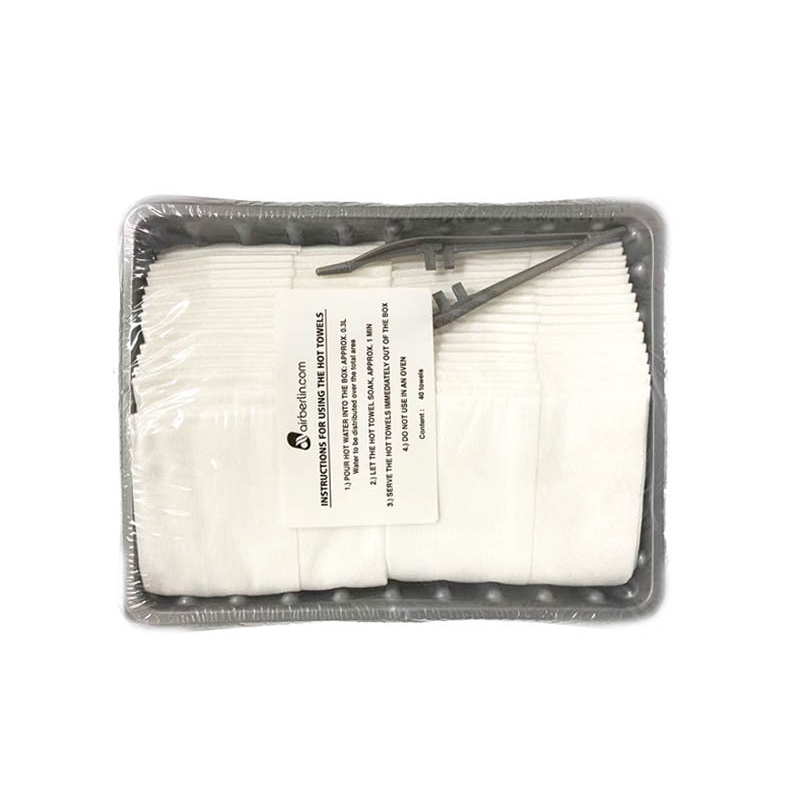
Each sheet is separately sealed — the dominant format for travel, aviation, and hospitality. Higher per-unit packaging cost but supports premium pricing. We offer single-piece and multi-piece sachet configurations with full OEM/ODM customization to fit hospitality or retail channel requirements.
Soft-Pack Bag
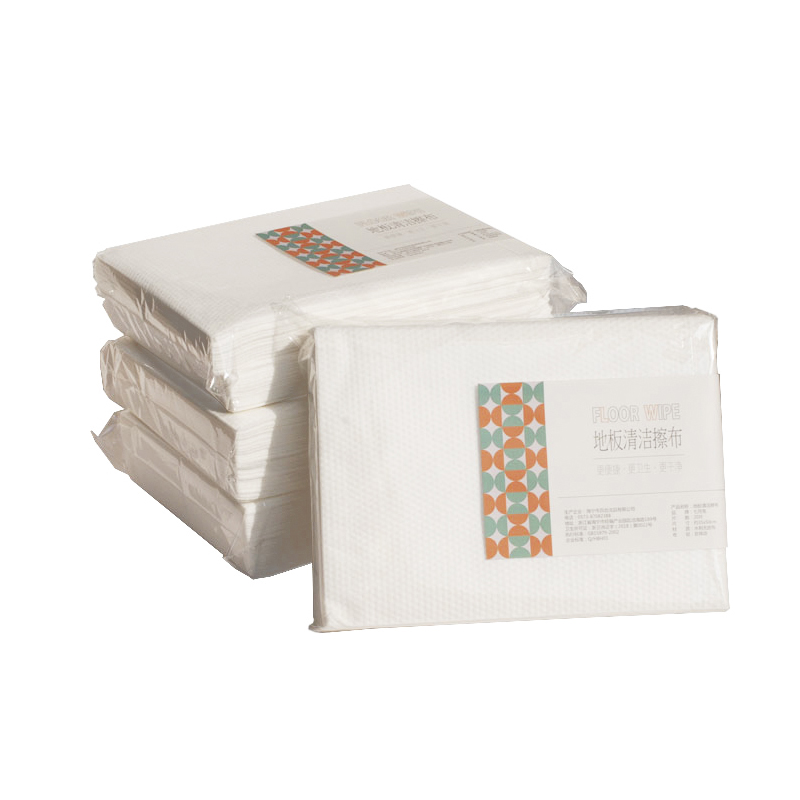
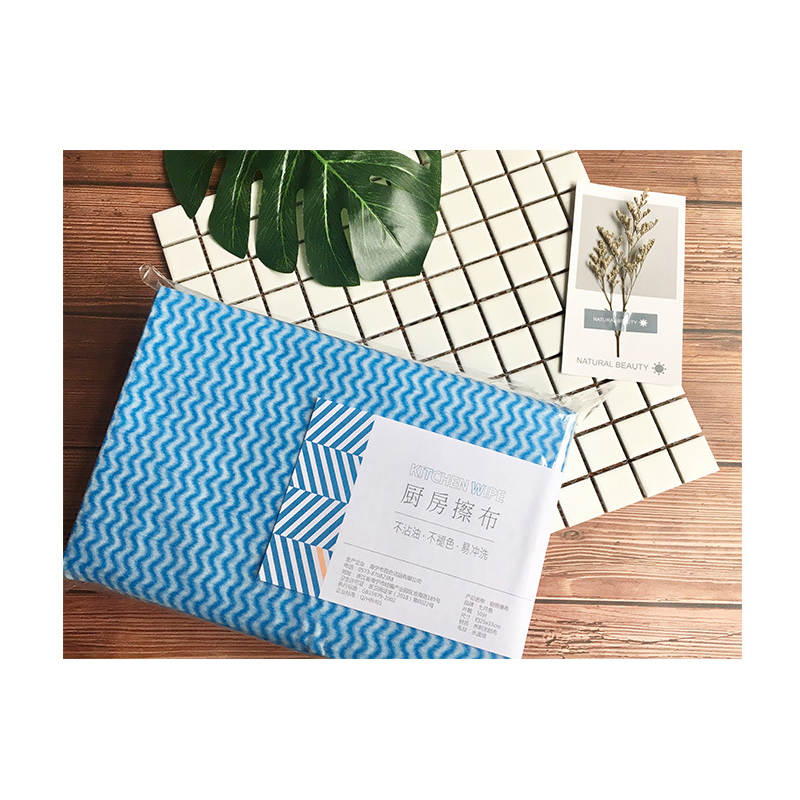
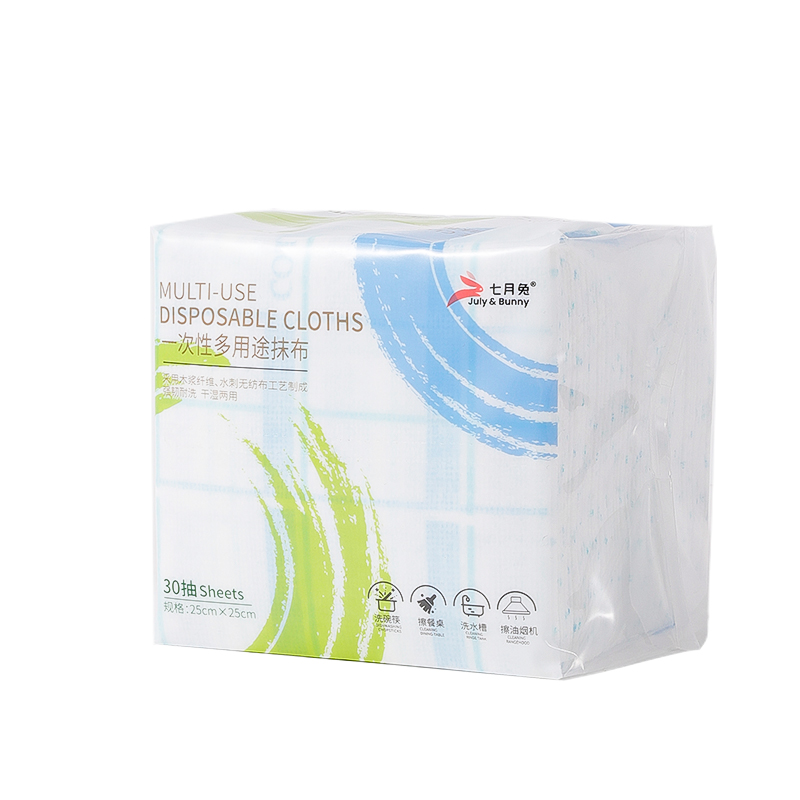
A resealable flexible pouch — the most cost-efficient packaging for multi-count retail SKUs. Works well across beauty, baby care, and general personal care categories.
Certifications to Request — and What They Actually Cover
Not all certifications are equivalent, and some are more relevant to your target market than others. Below is a practical reference:
Common certifications for disposable nonwoven products and their scope
| Certification |
Issuing Body / Region |
What It Covers |
Required For |
| GB/T standards |
China / SAC |
Material safety, fiber content, physical properties |
China domestic market |
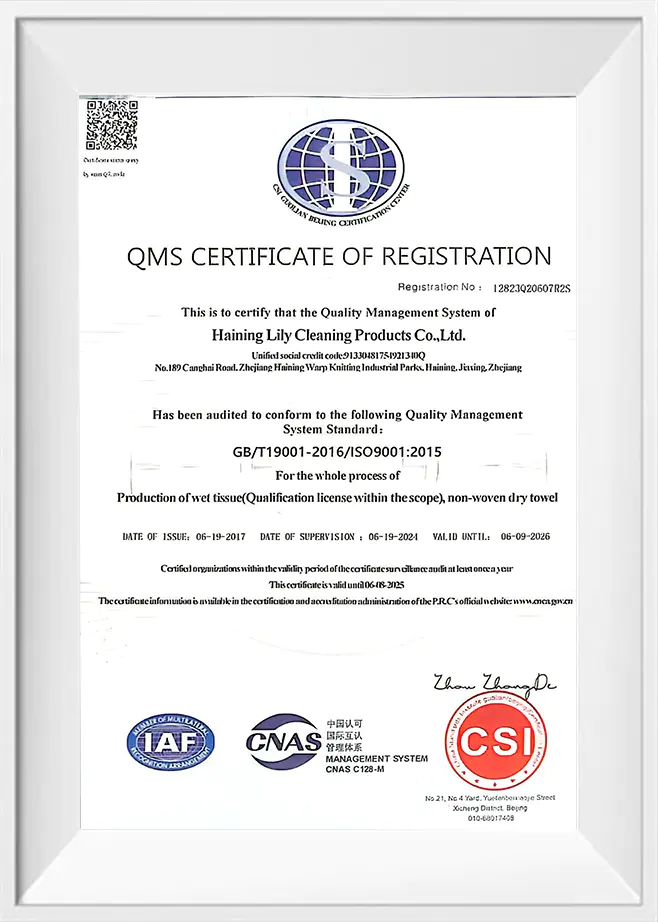
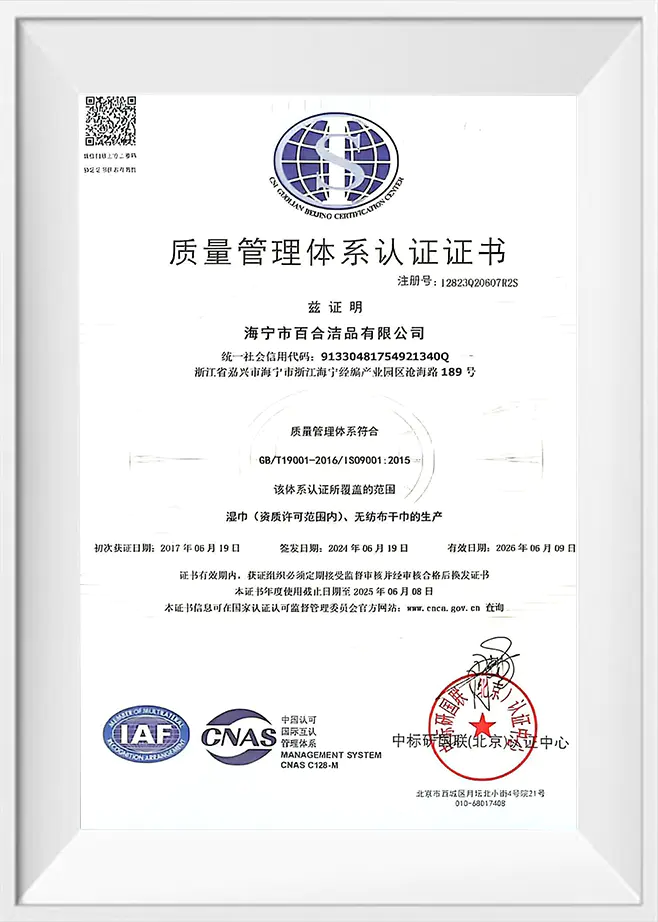
| ISO 9001 |
ISO / Global |
Quality management system (process, not product) |
B2B credibility baseline |
| CE Marking |
EU |
Conformity with EU health and safety directives |
EU retail/distribution |
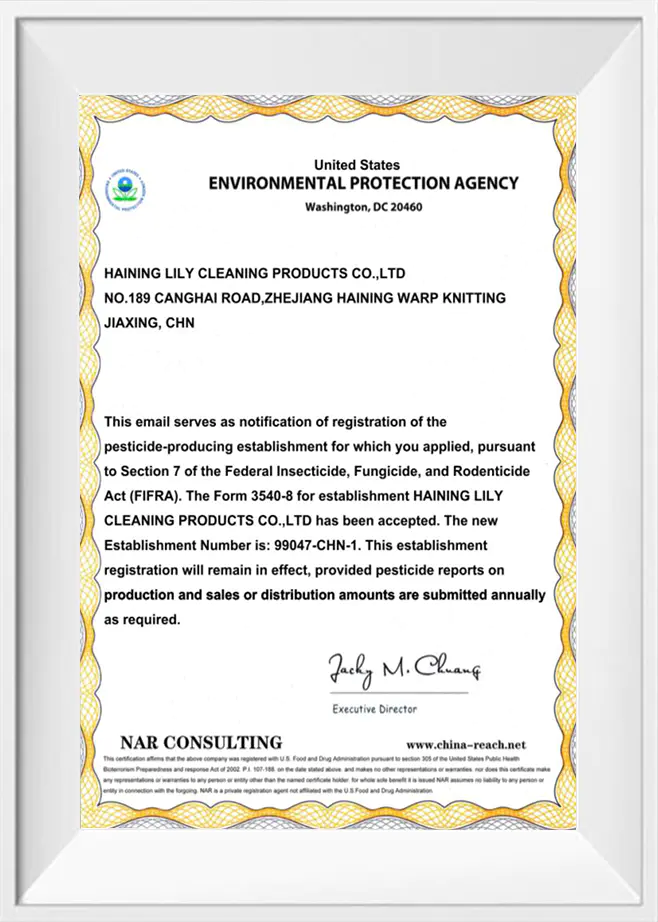
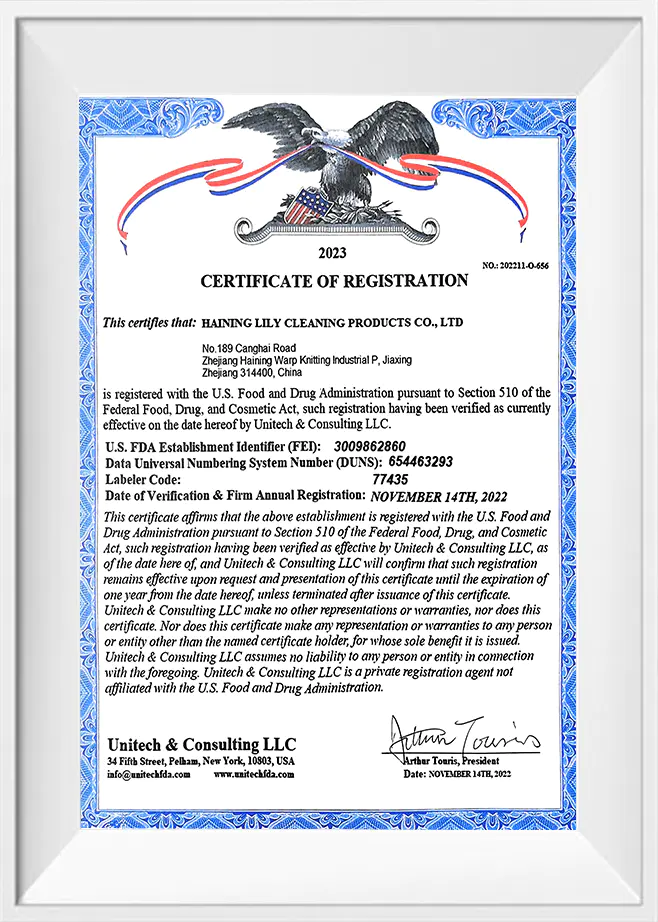
| FDA Registration |
USA / FDA |
Facility registration; required for cosmetic/medical wipes |
US market entry |
| OEKO-TEX Standard 100 |
OEKO-TEX / Global |
Tests for harmful substances in the finished textile |
Baby, skin-contact, premium positioning |
ISO 9001 covers factory processes, not product safety — it should not be treated as a substitute for product-level testing certifications when entering regulated markets.


 English
 русский
 عربى
عربى