What "Nonwoven" Actually Means for Wipe Performance
Nonwoven fabrics are engineered sheet materials bonded by chemical, mechanical, or thermal processes — not woven or knitted. For nonwoven fabric wipes, the manufacturing method directly determines how the fabric behaves in use.
Common Nonwoven Technologies Used in Wipes
| Technology |
Key Characteristic |
Typical Application |
| Spunlace (Hydroentangled) |
Soft, high absorbency, lint-free |
Baby wipes, makeup remover wipes |
| Airlaid |
Very high liquid retention, paper-like feel |
Household cleaning, food service |
| Spunbond |
Durable, consistent thickness |
Industrial, disinfection wipes |
| Meltblown |
Fine fiber filtration, barrier properties |
Medical-grade, alcohol wipes |
Nonwoven technologies and their role in wipe product design
Spunlace is the most widely used substrate for consumer wipes due to its balance of softness and tensile strength when wet. Gsm (grams per square meter) weight — typically ranging from 40gsm to 80gsm — is a reliable indicator of thickness and durability.
Fiber Composition and What It Signals About a Wipe
The raw fiber blend used in a nonwoven substrate affects skin compatibility, biodegradability, and cleaning efficiency. Buyers sourcing at scale should pay close attention to fiber disclosure on spec sheets.
- 100% viscose (rayon): Naturally derived, highly absorbent, biodegradable — preferred for eco-positioning
- Viscose/polyester blend (e.g., 70/30): Most common commercial balance of softness and wet strength
- 100% polyester: Maximum durability, but not biodegradable and less skin-friendly
- Cotton or cotton-blend: Hypoallergenic, suited for sensitive skin and baby care lines
- Bamboo fiber: Naturally antibacterial, fast-growing source — increasingly used in premium eco wipes
For brands building an eco-friendly wipes line, fiber origin and blend ratio should be specified in purchase agreements, not left as supplier discretion.
The Real Meaning of "Eco-Friendly" in Wet Wipes — and How to Verify It
"Eco-friendly" is frequently used as a marketing term without standardized backing. For buyers making sourcing decisions, it's worth understanding what the claim should actually cover across three dimensions:
1. Substrate Biodegradability
Conventional wipes containing polyester do not biodegrade within meaningful timeframes. A wipe can only be credibly claimed as biodegradable if the substrate is made from natural fibers (viscose, cotton, bamboo) and passes tests such as ISO 14855 or ASTM D5511. Look for third-party test reports, not just label language.
2. Formulation — Preservatives and Chemicals
Common preservatives like MIT (methylisothiazolinone) and parabens are increasingly restricted in EU and sensitive-skin markets. Eco-conscious formulations tend to use alternatives such as sodium benzoate, ethylhexylglycerin, or naturally derived preservative systems. Full ingredient disclosure (INCI list) from your supplier is non-negotiable for compliance in regulated markets.
3. Packaging
Recyclable or reduced-plastic packaging contributes to a product's overall environmental profile. Mono-material pouches (single polymer type) are more easily recycled than multi-layer laminates. This is a practical differentiator for retail buyers targeting sustainability-focused consumers.
Liquid-to-Sheet Ratio: Why It Matters More Than It Looks
The saturation level — how much lotion or solution is applied per gram of dry substrate — affects both performance and shelf life. Industry practice typically targets a liquid-to-sheet ratio between 2.5:1 and 4:1 by weight, depending on wipe type.
- Too low: wipe feels dry, reduced efficacy, consumer complaints
- Too high: premature evaporation risk, packaging stress, potential mold in poorly preserved formulations
For OEM buyers, requesting the saturation specification in technical documentation — not just relying on sensory assessment of samples — is a reliable quality control practice. Our production process maintains consistent saturation across high-volume runs, with automated filling lines calibrated to minimize batch variance.
Shelf Life, Preservation, and Storage Conditions
Wet wipes are a preserved aqueous product. Most commercially produced wipes carry a shelf life of 2 to 3 years from manufacture date, provided packaging integrity is maintained. Several variables affect this:
- Seal quality: Even a micro-gap in heat-sealing accelerates evaporation and contamination risk
- Storage temperature: Ideal range is 5°C–30°C; heat above 40°C can compromise both preservatives and packaging adhesives
- UV exposure: Direct sunlight degrades packaging and some active ingredients
- Preservative system efficacy: Broad-spectrum preservation must be validated against the specific fiber substrate, as some natural fibers can interact with preservatives
For import buyers with longer supply chains, requesting accelerated stability test data (typically 3-month real-time equivalent) is advisable before committing to large purchase volumes.
Packaging Formats and Their Supply Chain Implications
The choice between single-piece (individually wrapped) and multi-piece (pop-up or flow-pack) formats carries implications beyond consumer convenience — it affects logistics cost, minimum order quantity, and private label feasibility.
| Format |
Typical Count |
Common Use Case |
Key Buyer Consideration |
| Single sachet |
1 pc |
Aviation, hospitality, sampling |
Higher per-unit cost; easy branding surface |
| Small pack |
10–25 pcs |
On-the-go retail, pharmacy |
Good retail shelf presence; mid MOQ |
| Standard pack |
40–80 pcs |
Baby care, household |
High-volume SKU; competitive unit economics |
| Bulk/refill |
100–200 pcs |
Institutional, e-commerce bundles |
Lowest packaging cost; storage space required |
Wipe packaging formats compared by use case and buyer considerations
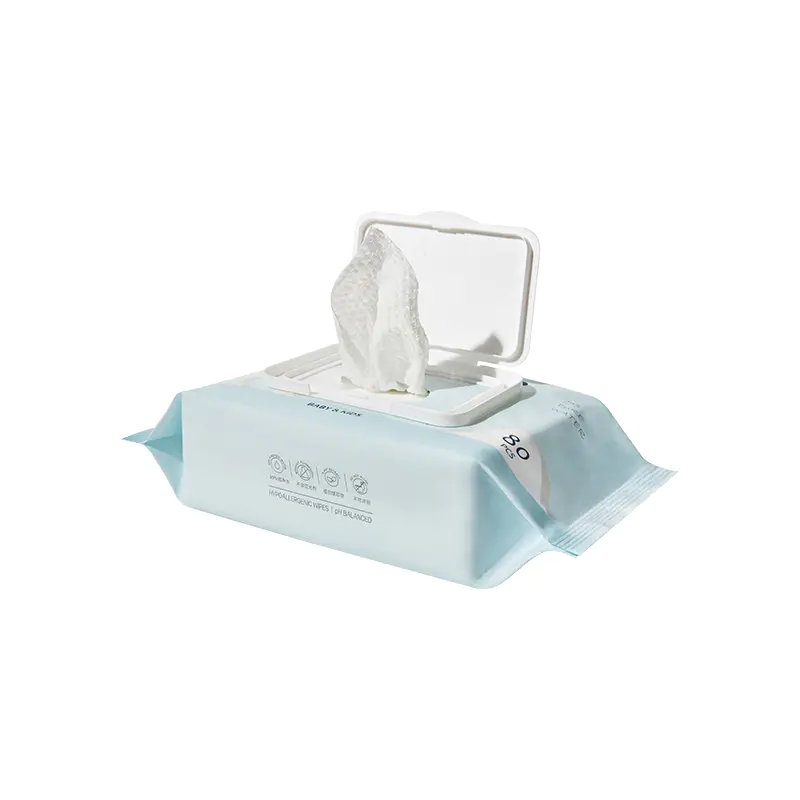
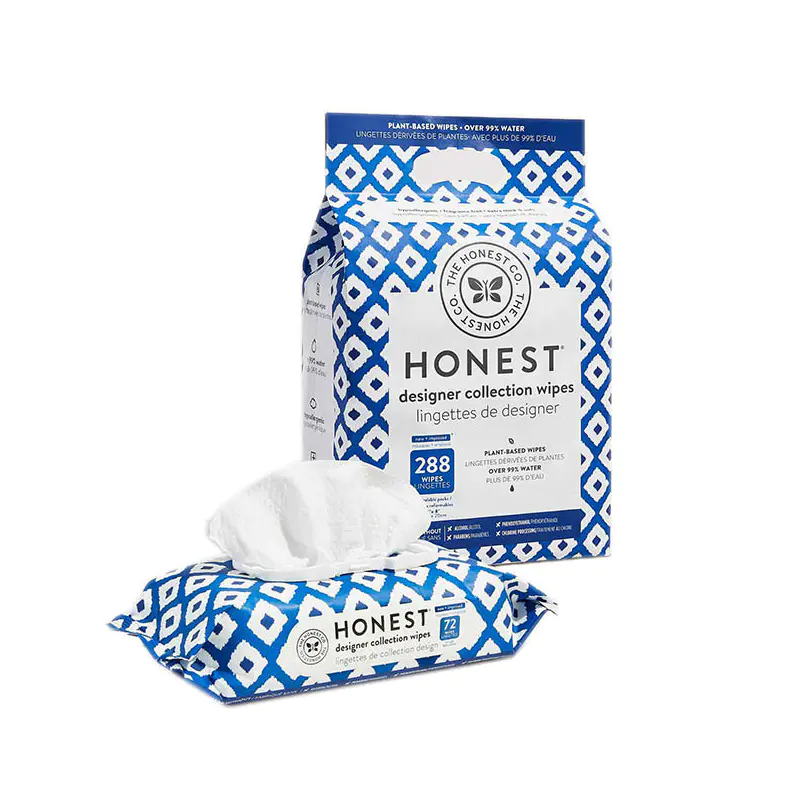
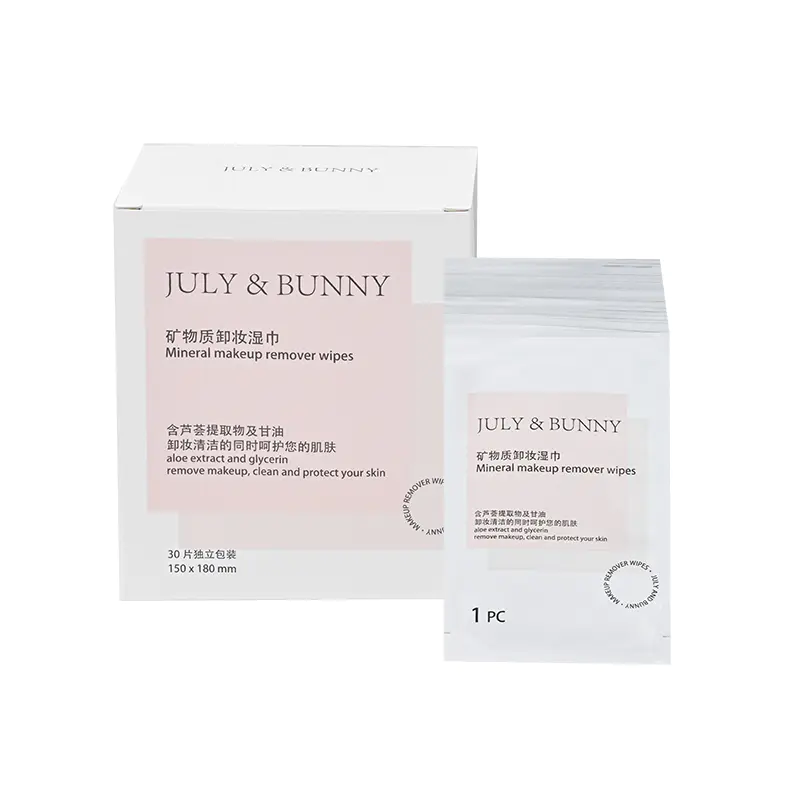
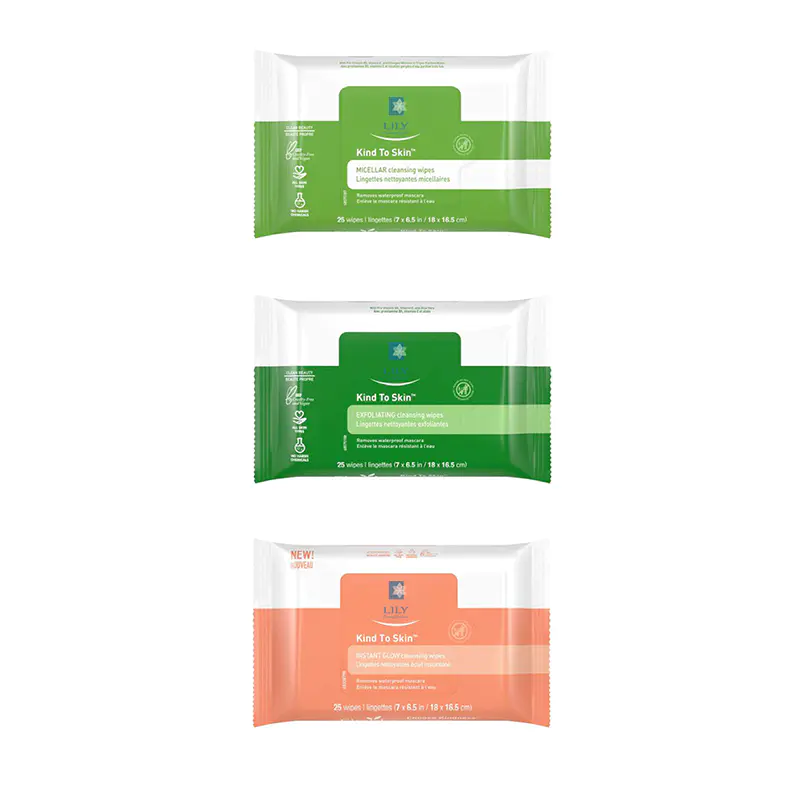
We support both single-piece and multi-piece configurations across all product categories, with full private label customization — including print-ready artwork support for buyers developing their own brand.


 English
 русский
 عربى
عربى