

 2026.06.16
 Industry News
Content
U.S. wet wipes sales are on track to surpass $7 billion by 2030. A growing share of that revenue comes from brands that never touch a production line. Private label wipes turn a factory’s manufacturing capability into your brand’s asset: you sell wet wipes under your own name, packaging, and pricing, while a third-party producer handles sourcing, formulation, filling, and often packaging design.
The model sits between off-the-shelf generic products and fully bespoke development. Most manufacturers offer a spectrum of partnership models. Understanding the distinctions helps you choose the right starting point.
| Model | What You Control | What the Factory Owns | Best For |
|---|---|---|---|
| Private Label | Branding, packaging graphics, sometimes minor formula tweaks | Pre-existing base formulas, material specs, production process | Start-ups wanting speed to market with proven quality |
| OEM | Full formula specification, material choices, product performance | Manufacturing capability; no requirement for in-house R&D on the formula | Established brands with in-house chemists or unique performance benchmarks |
| ODM | Design brief, target claims, regulatory goals | Entire product development, from concept to finished good, including patent-pending formulas | Retailers or brands entering a category without technical staff |
For most first-time brand owners, private label is the practical answer. You skip the 6-12 month R&D cycle and invest time in branding and channel strategy instead. As volume grows, many brands transition from private label to OEM to lock in proprietary advantages.
Asking a factory for a “price per wipe” without context yields meaningless numbers. The unit economics of private label wipes depend on five core cost drivers, and they shift dramatically with order quantity.
Raw materials dominate. Nonwoven fabric—spunlace or airlaid—accounts for 40–55% of total product cost. The liquid formula adds another 20–30%, ranging from simple water-based solutions to complex emulsions with aloe, vitamin E, or preservative systems. Packaging, whether a flow-wrap sachet or a rigid canister with a dispensing lid, can swing from $0.01 to over $0.20 per unit. Then come one-time mold or tooling fees, typically $500–$3,000 for custom packaging components, and logistics, which move from a fixed overhead at high volumes to a painful per-unit penalty at small MOQs.
The table below illustrates how these layers interact for a typical 60 gsm spunlace baby wipe in a 72-count canister. Numbers are indicative, based on factory-direct sourcing from Asia and FOB terms.
| Cost Component | MOQ 10,000 units | MOQ 50,000 units | MOQ 200,000 units |
|---|---|---|---|
| Raw materials (fabric + liquid) | $0.52 | $0.44 | $0.36 |
| Packaging (canister, lid, label) | $0.28 | $0.22 | $0.18 |
| Mold amortization | $0.10 | $0.02 | $0.01 |
| Labor & factory overhead | $0.08 | $0.06 | $0.04 |
| Logistics (sea freight, per unit) | $0.18 | $0.09 | $0.06 |
| Total landed cost per unit | $1.16 | $0.83 | $0.65 |
Moving from 10,000 to 200,000 units can cut your landed cost by more than 40%. For a start-up testing a new market, an initial order of 15,000–30,000 units often balances cash flow with a viable unit margin. Established brands routinely lock in quarterly orders above 100,000 units to drive cost below $0.70, leaving room for retail shelf markup.
One piece of the logistics line often surprises first-timers: ocean freight from Shanghai to Los Angeles for a 20-foot container hovers around $2,500–$4,500 depending on season. That’s a flat cost. If you fill only a quarter of the container with wipes, the per-unit freight cost balloons. Partial container load (LCL) shipments can raise logistics to $0.30 or more per canister. Full container load (FCL) is almost always the line between a sustainable brand and a money-losing one.
Price alone is a weak filter. The factories that win on initial quote often lose on consistency, compliance, or communication. Use this checklist to stress-test potential partners before you commit to tooling or samples.
Not all wipes go through the same regulatory door. Misclassifying your product can lead to an FDA warning letter or an EPA stop-sale order. The first decision—whether your wipe makes a drug or pesticidal claim—determines everything downstream.
| Wipe Category | Regulatory Body | Key Requirement | Typical Timeline |
|---|---|---|---|
| Disinfectant / sanitizing wipes (kills germs) | EPA | FIFRA registration, efficacy data, master label approval | 12–18 months |
| Antibacterial hand wipes (drug claim) | FDA | NDC listing, OTC monograph compliance, GMP | 6–9 months |
| Cosmetic wipes (baby, makeup, skincare) | FDA (cosmetics) | No pre-market approval; must be safe, properly labeled, and GMP-compliant | 0–3 months for labeling review |
| General cleaning wipes (no pesticidal claim) | CPSC (FHSA) | Proper hazard labeling, child-resistant packaging if toxic | Short; factory self-declares |
State-level rules add complexity. California Proposition 65 requires warning labels if the product contains any listed chemical—common preservatives like MIT or certain fragrance components can trigger it. New York and Washington have their own regulations on 1,4-dioxane limits in surfactants for personal care wipes. Brands that sell only online often ignore state rules until an attorney general letter arrives. Avoid that by baking compliance into the initial product spec.
Even for FDA-regulated cosmetic wipes, the agency expects voluntary registration and serious adverse event reporting. An increasing number of retailers and Amazon require a Certificate of Free Sale or proof of FDA registration before listing a new brand.
The physical journey from factory to FBA center or 3PL is where many emerging brands lose both time and margin. Mapping the milestones prevents expensive surprises.
Many brands underestimate the cash tied up during transit. A 40-foot container of canister wipes can carry 80,000–100,000 units with a landed value of $55,000–$75,000. Financing that float from production to customer payment requires either strong working capital or a purchase order financing facility.
Baby wipes still dominate, but the fastest-growing slices of the wet wipes market exist where established brands have less presence. These five niches combine rising search volume with clear formulation differentiators that a smart private label launch can capture quickly.
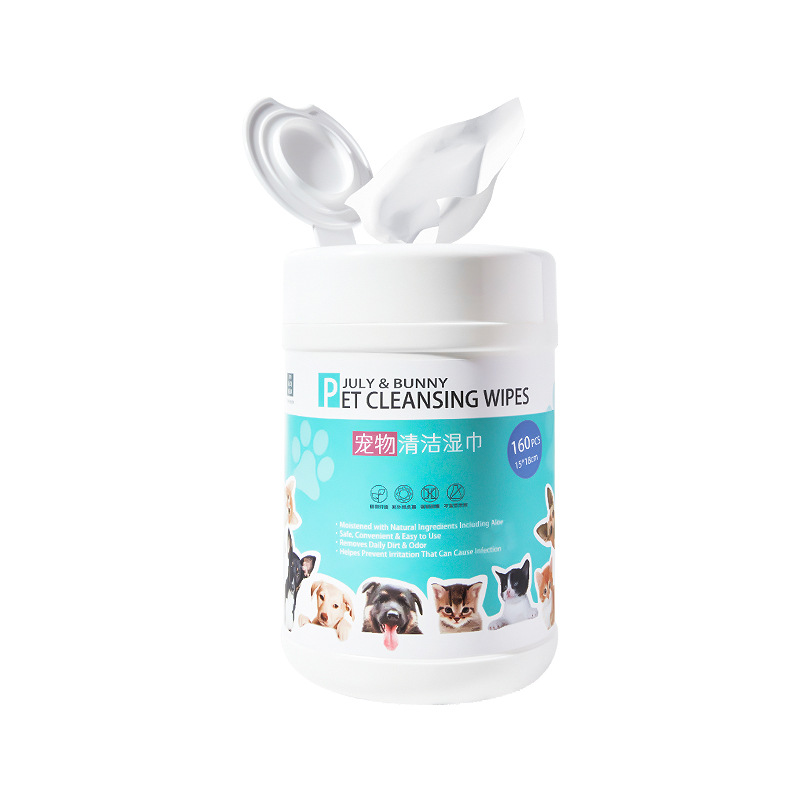
Pet spending exceeded $140 billion in the U.S. last year, and hygiene wipes are one of the fastest-growing subcategories. Private label pet wipes need a pH balanced for canine/feline skin (6.2–7.4), with mild surfactants like decyl glucoside and no alcohol. Adding oatmeal extract or chlorhexidine for paw wipes addresses vet-recommended features. Packaging in 80–100 count tubs with a click-lock lid fits the post-walk routine.
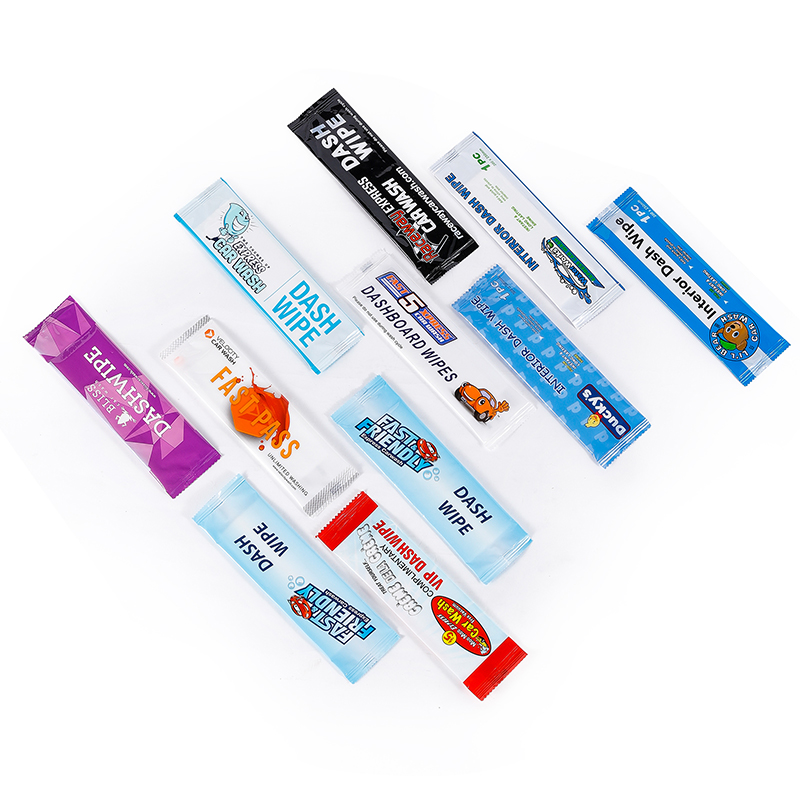
Detailing wipes have moved from bulk tubs to premium single-use sachets. Car cleaning wipes require a non-greasy formula that cleans vinyl, leather, and plastic without leaving residue. Quat-free antimicrobial agents can differentiate a “clean and protect” claim. Small 10-pack flow-wrap formats sell well at gas stations and auto parts checkouts, generating impulse purchases with high repeat rates.
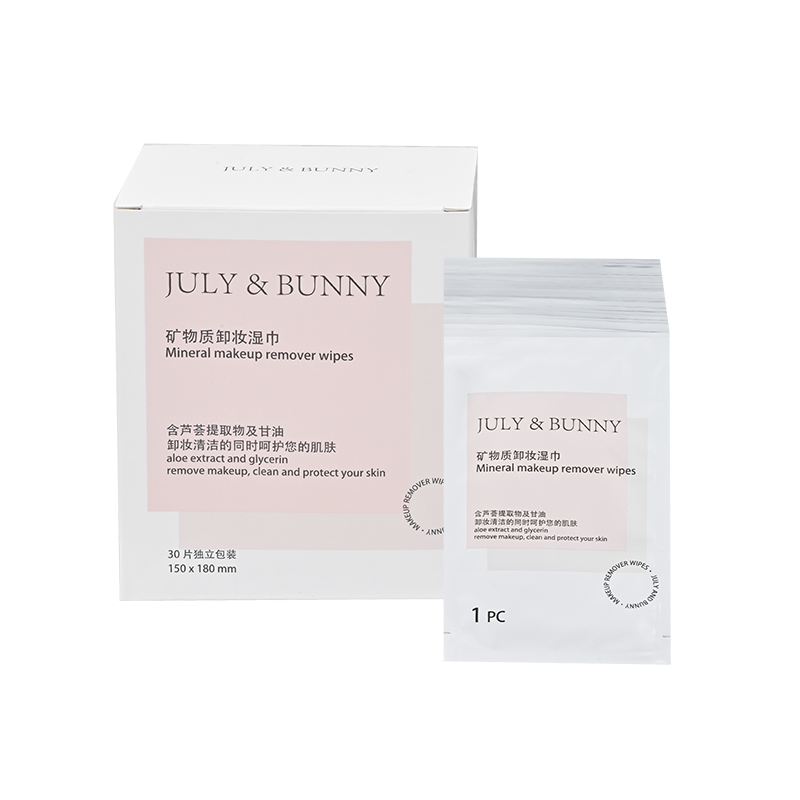
Makeup remover wipes account for over $1.8 billion globally, with consumers shifting toward oil-based and micellar formulations that dissolve waterproof makeup without harsh rubbing. Makeup remover wipes must pass ophthalmologist testing if labeled for eye use and should use a soft, thick nonwoven to avoid micro-tears. A matte black resealable pack with a minimalist cotton texture motif outperforms generic floral designs in DTC channels.
Intimate wipes have grown well beyond a taboo niche. Formulas require a lactic acid buffer to maintain a vaginal pH of 3.8–4.5, with no glycerin or fragrance allergens. Individually wrapped sachets in discreet packaging sell strongly through subscription models. The regulatory pathway is cosmetic (FDA), but brands often seek gynecologist endorsements to support sensitive-skin claims.
With VR headsets, multiple screens, and smart glasses entering daily life, the screen wipe market is expanding beyond eyeglasses. A fast-drying, streak-free formula using isopropyl alcohol below 70% and a lint-free hydroentangled fabric is the standard. Single-sheet sachets in 30-count multi-packs command premium pricing on Amazon—often above $0.35 per wipe—when paired with “streak-free” before-and-after imagery.
The channel you choose dictates your packaging, insurance, and even your unit economics. Selling the same SKU across Amazon, Walmart, and a Shopify store requires deliberate product prepping.
| Dimension | Amazon (FBA) | Walmart Marketplace | DTC (Shopify/WooCommerce) |
|---|---|---|---|
| Entry barrier | Low; professional seller account, UPC barcodes, liability insurance | Moderate; application review, shipping performance history | Zero gatekeeping; build your own storefront |
| Packaging requirements | FBA prep guidelines: poly bag suffocation warning, FNSKU labeling, no exposed canister lids that can snap | Requires GTIN, Walmart-compliant label artwork, often requests UDI-ready barcodes for medical-style wipes | No external packaging rules beyond CPSC/USPS if selling hazardous materials |
| Fee structure | Referral 8–15% + FBA fees ($3–$5 per standard unit) | Referral 8–15%, no hidden fulfillment fees if self-shipping | Payment processor 2.9% + $0.30; fulfillment burden entirely on brand |
| Traffic & marketing | Enormous intent-driven traffic; PPC ads critical for discoverability | Growing but smaller audience; Walmart Fulfillment Services boosts listing rank | Zero built-in traffic; must invest in social ads, SEO, email capture |
| Listing differentiation | A+ Content modules allow comparison charts; subscribe & save for wipes works well | Rich media similar to A+; shelf placement in store pickup can amplify volume | Complete brand narrative control; no competitor listings on the page |
A practical launch sequence works like this: start on Amazon to validate demand and collect reviews, use that velocity to qualify for Walmart Marketplace, and then build a DTC site to capture first-party data and higher margins. Wipes that sell for $12.99 on Amazon can command $15.99 on a brand’s own site when bundled with a subscription discount. The mix of channels protects against account-level risk on any single platform.

Wet Wipes OEM/ODM, Custom Wet Wipes Manufacturers in China. We are making wet wipes enter every household and become an essential part of our daily life, and are making unremitting efforts to create a cleaner and more comfortable home environment.
Read MoreFor exclusive deals and latest offers, sign up by entering your email address below.


 English
 русский
 عربى
عربى