

 2026.06.10
 Industry News
Content
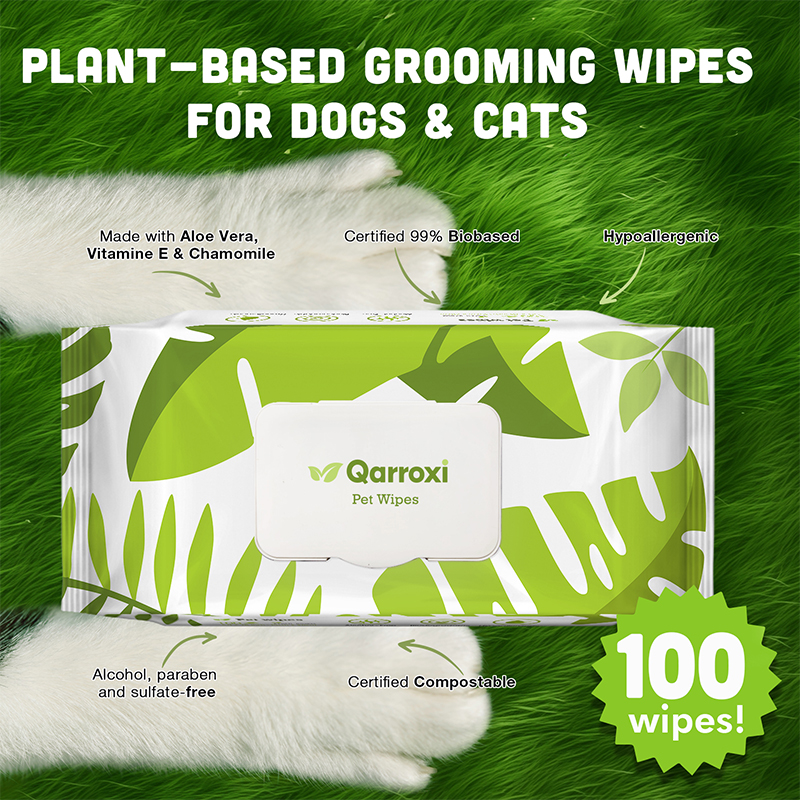
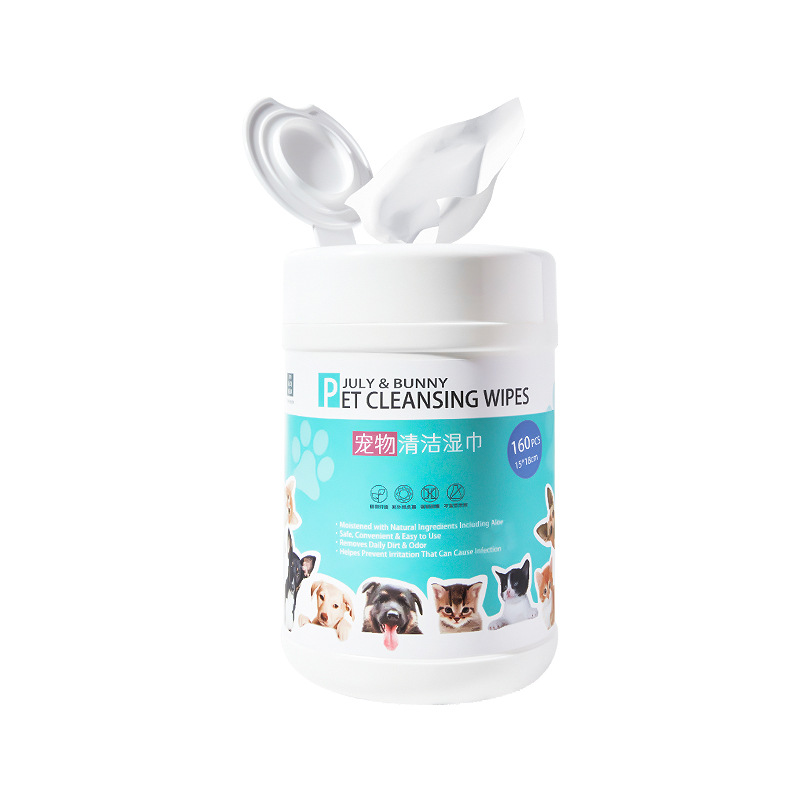
More than 65 million U.S. homes have a dog, and every dog brings a trail of outdoor grime indoors. After a muddy walk, wipes seem like the quickest fix. But grabbing a baby wipe or a household disinfecting wipe can do more harm than good. Dog-specific wipes are formulated to match canine skin pH, avoid toxic residues, and tackle the unique messes your dog collects—without causing irritation. This article breaks down the ingredients, materials, and use cases you need to evaluate before buying your next pack, whether you’re a pet owner or a professional groomer.
Dog skin has a neutral to slightly alkaline pH, typically between 7.0 and 7.4. Human skin is more acidic. When you apply an acidic wipe to a dog, you disrupt the acid mantle, leading to dryness, flaking, and bacterial overgrowth.
| Wipe Type | Typical pH | Key Irritants | Safe for Dogs? |
|---|---|---|---|
| Human facial/makeup wipes | 4.5–5.5 | Alcohol, synthetic fragrance, PEGs | No |
| Baby wipes | 5.5–6.0 | Phenoxyethanol, mild fragrance, plastic fibers | No (prolonged use) |
| Dog-specific wipes | 6.5–7.5 | None; plant-based, aloe, vitamin E | Yes |
Alcohol and synthetic fragrances, common in household wipes, are strong irritants that can cause contact dermatitis even after a single use. Baby wipes, while gentler, often contain preservatives like phenoxyethanol that are not tested for canine oral exposure—and dogs lick their paws. For daily cleaning, only wipes designed for dogs maintain the right balance.
Reading the label is your first defense. The term ‘hypoallergenic’ isn’t regulated, so the actual ingredient list tells the true story. Below is a quick-reference table that sorts common components into safe staples, cautionary chemicals, and outright dangers.
| Ingredient | Category | Reason |
|---|---|---|
| Alcohol (ethanol, isopropyl) | Avoid | Dries skin, stings, can be toxic if ingested. |
| Propylene glycol | Avoid | Skin irritant; in higher doses linked to toxicity in dogs. |
| Synthetic fragrance/parfum | Avoid | Phthalates and allergens; no functional benefit. |
| Tea tree oil (undiluted) | Caution | Antiseptic but can cause tremors if licked; only in vet-formulated wipes. |
| Chlorhexidine | Caution | Effective in antifungal wipes, but not for daily use; reserve for specific skin conditions. |
| Benzalkonium chloride | Caution | Disinfectant; may irritate mucous membranes. |
| Aloe vera | Safe | Soothes, moisturizes, safe if licked in small amounts. |
| Vitamin E | Safe | Supports skin barrier, antioxidant. |
| Chamomile extract | Safe | Anti-inflammatory, gentle on sensitive skin. |
| Oat kernel extract | Safe | Relieves itching, forms protective film. |
| Hyaluronic acid | Safe | Hydrates without residue. |
Notice that many antimicrobial wipes used in veterinary settings contain chlorhexidine or benzalkonium chloride—these are appropriate for treating pyoderma or fungal issues under professional direction, not for everyday paw wiping. For routine grooming, choose wipes with a short list of recognizable botanical ingredients. If you want a formulation that leans entirely on natural soothers, explore our natural ingredient pet wipes, which exclude all synthetic preservatives and fragrances.
One wipe won’t fit every task. The texture, thickness, and formula you need depend entirely on where you’re wiping and how dirty your dog gets.
| Use Case | Recommended Features | Example Specification |
|---|---|---|
| Paws (post-walk) | Textured, thick spunlace; optional mild antimicrobial; low-residue formula | 70 gsm fabric, pH 7.0, alcohol-free, wipe size 7x8 in |
| Body (full coat refresh) | Large, soft, deodorizing; may contain mild cleansers | 8x10 in, with chamomile or lavender (dog-safe); 50-60 gsm |
| Face & eye area | Ultra-soft, fragrance-free, tear-free; small size for precision | 5x7 in, cotton or bamboo, pH 7.2, unmedicated |
Paws demand the most rugged wipe. A 70-gram spunlace with a diamond or pearl texture removes caked mud and road salt without tearing. For the face, even a hint of fragrance can cause eye watering; stick to unscented, unmedicated wipes that are as soft as a baby wipe but with a dog-safe pH. Many owners keep two separate packs: a heavy-duty paw wipe by the door and a gentle face wipe near the grooming table.
The base material determines how the wipe performs, how long it lasts in storage, and its environmental footprint. Three substrates dominate the market.
| Material | Advantages | Drawbacks | Best For | Cost per Wipe (approx.) |
|---|---|---|---|---|
| Spunlace nonwoven (PET/PP) | Durable, low cost, holds texture well | Not biodegradable, may feel less soft | Heavy-duty paw wipes | $0.03–$0.05 |
| Bamboo fiber nonwoven | Biodegradable, naturally soft, hypoallergenic | Slightly higher price, requires quality sourcing | Sensitive skin, eco-conscious owners | $0.05–$0.08 |
| Cotton (spunlace or hydroentangled) | Maximum softness, excellent absorbency, biodegradable | Lower tensile strength when wet, higher cost | Facial wipes, puppies, allergy-prone dogs | $0.07–$0.12 |
Nonwoven spunlace remains the industry workhorse for its balance of cost and strength. Bamboo fiber has gained traction because it degrades in compost and resists bacterial growth naturally, eliminating the need for strong preservatives. Cotton, while unmatched in tenderness, may not withstand vigorous scrubbing; it’s best saved for delicate jobs like eye cleaning. For businesses, material choice directly affects unit economics—bulk nonwoven runs keep per-wipe costs under five cents, while custom bamboo formulations target premium segments.
Price per wipe looks deceptively similar across brands until you account for packaging size and wipe count. Small travel packs cost three to five times more per wipe than bulk refills.
| Format | Wipe Count | Average Price | Cost per Wipe | Best Use |
|---|---|---|---|---|
| 10-count travel pack (individually wrapped) | 10 | $3.99 | $0.40 | On-the-go, emergency cleanups |
| 50-count tub | 50 | $6.99 | $0.14 | Regular household use |
| 100-count tub | 100 | $10.99 | $0.11 | Multi-dog homes |
| 400-count refill pouch | 400 | $24.99 | $0.06 | Groomers, cost-mindful owners |
A 400-count refill slashes the cost per wipe to just six cents—less than half the tub price. However, check the manufacturer’s shelf life: once opened, most wipes remain effective for 6–12 months if the lid seals tightly. Avoid stockpiling more than you’ll use, because dried-out wipes are useless. For frequent users, buying the largest format available offers the best value without sacrificing safety.
Pet shops, grooming salons, and veterinary clinics often go through hundreds of wipes a week. Buying off-the-shelf retail packs inflates costs and limits your ability to reinforce your brand. Working directly with a manufacturer solves both problems.
Instead of juggling multiple retail brands, clinics and shops can consolidate to a single, reliable supplier. Manufacturers like ours provide end-to-end solutions from material selection to final packaging. Explore our pet wipes product line to discuss custom specifications, request samples, and order in bulk with your own branding.

Wet Wipes OEM/ODM, Custom Wet Wipes Manufacturers in China. We are making wet wipes enter every household and become an essential part of our daily life, and are making unremitting efforts to create a cleaner and more comfortable home environment.
Read MoreFor exclusive deals and latest offers, sign up by entering your email address below.


 English
 русский
 عربى
عربى