

 2026.05.18
 Industry News
Content
Over 250 billion units of wet wipes are consumed globally every year. That number alone tells you something important: this is not a niche product category. It is embedded infrastructure for modern hygiene—in hospitals, nurseries, airline cabins, gym bags, and kitchen drawers across every major economy.
In 2026, the global wet wipes market is valued at approximately USD 27–28 billion across all segments (personal care, household, industrial, and institutional), with the consumer-facing personal care and baby categories alone projected to grow at a CAGR of 5.8%–7.4% through 2035. Multiple independent forecasts converge on a market that will exceed USD 40 billion before the end of the decade. The top five players—Procter & Gamble, Kimberly-Clark, Johnson & Johnson, Unicharm, and Edgewell—collectively hold around 45% of market share, leaving a substantial and actively contested space for regional brands, private-label programs, and specialized manufacturers.
Three structural forces are shaping category growth in 2026: a global shift in consumer hygiene expectations that has permanently elevated baseline wipe usage post-pandemic; mounting regulatory pressure around sustainability and plastic content that is forcing material and formulation innovation; and a dramatic expansion of premium sub-segments—particularly in feminine care, skincare-adjacent applications, and eco-certified formats—that are commanding higher margins and growing faster than the overall market.
Here is where the growth is actually happening.
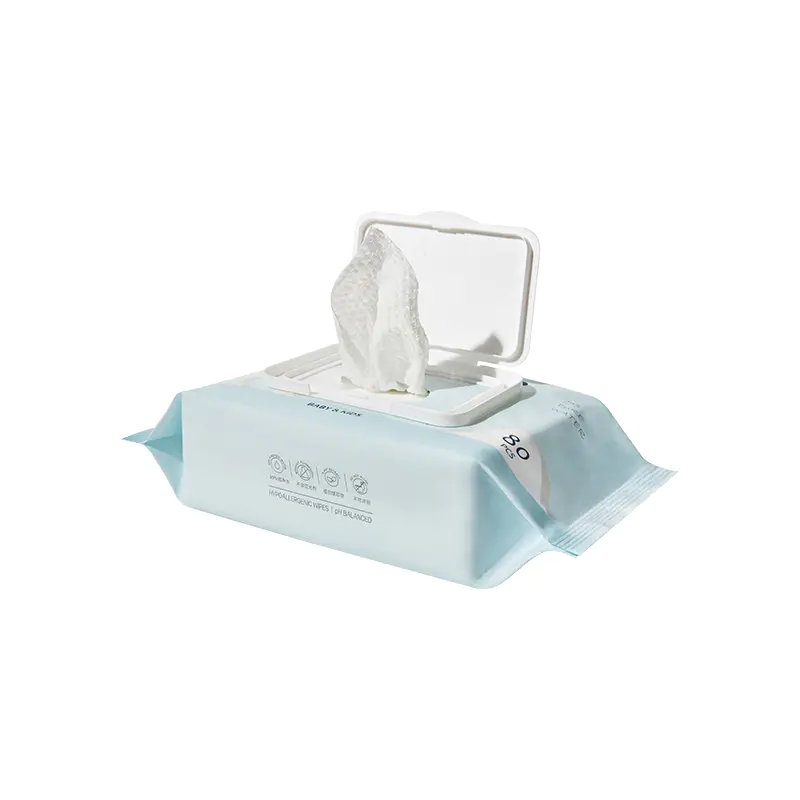
Baby wipes remain the single largest product category by both volume and revenue, accounting for approximately 34%–38% of global wet wipe sales in 2026. With roughly 3.6 million births annually in the United States alone, and significantly higher birth rates in South Asia and Sub-Saharan Africa, the demographic engine underpinning this category is durable. But the growth story in 2026 is not about volume—it is about value.
The baby wipes market is bifurcating. In mature markets (North America, Western Europe, Japan), unit growth is modest, but revenue per unit is rising as parents trade up to certified, premium formulations. Organic cotton substrates, EWG Verified ingredient systems, and short ingredient lists of five to seven transparent components now command meaningful shelf presence in pharmacies and specialty retailers that previously stocked only mass-market options. Pediatric endorsements, dermatological testing documentation, and third-party certifications have become table-stakes marketing assets rather than differentiators.
In emerging markets—particularly China, India, and Southeast Asia—the dynamic is different: first-time adoption by a rising middle class that associates premium baby care with quality parenting. These consumers are not trading up from cheap wipes; they are entering the category at a mid-to-premium price point from the start, influenced heavily by e-commerce recommendations and social media parenting communities.
For brands and buyers sourcing in this category, the practical implication is clear: gentle and certified baby wipes for sensitive and newborn skin are not a niche within the baby segment—they are its fastest-growing tier. Competing on price alone in this category is an increasingly losing proposition.
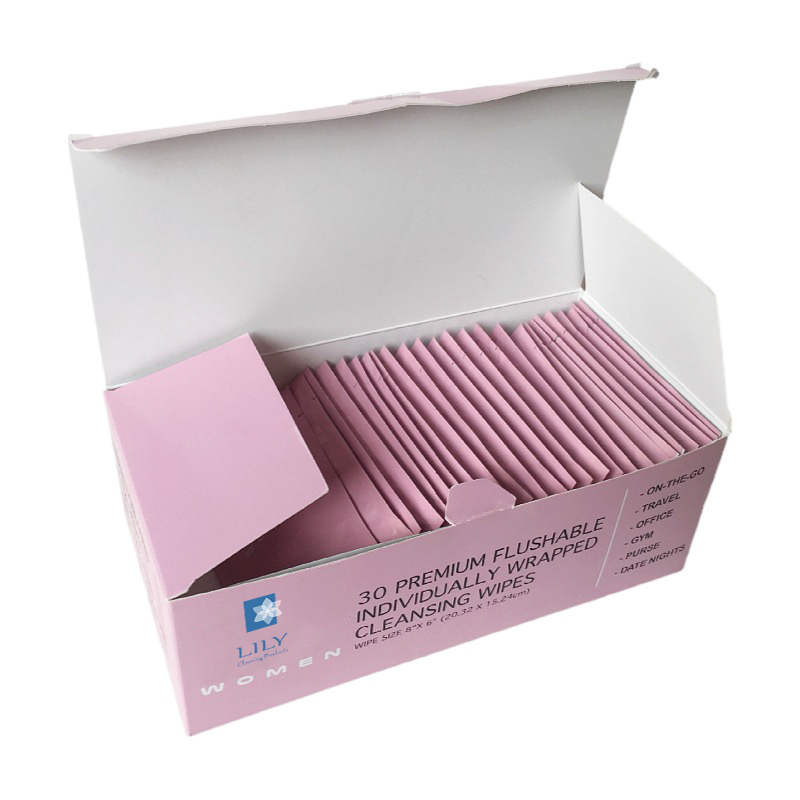
If baby wipes are the market's foundation, feminine and intimate care wipes are its most dynamic growth story. The intimate wipes segment is projected to expand at a CAGR of approximately 5.5% through the forecast period—outpacing the broader market—driven by a combination of demographic, economic, and cultural shifts that are playing out simultaneously across three continents.
The primary driver is straightforward: as more women enter the formal workforce globally, their purchasing power increases and their demand for convenient personal hygiene solutions designed specifically for their needs grows with it. Intimate wipes, makeup remover wipes, and period care wipes are no longer products marketed as an occasional luxury—they are everyday convenience items for working women navigating full schedules.
In Asia, this trend is accelerating fastest. Japan, South Korea, China, and India are all recording above-market growth in the feminine care wipe segment, with local brands and global players alike racing to introduce formulations adapted to regional skin types and hygiene preferences. In Europe, the growth vector is sustainability: biodegradable intimate wipes made from plant-based fibers and certified free from endocrine-disrupting preservatives are gaining share rapidly among environmentally aware female consumers.
What distinguishes this category from others is its demanding formulation requirements. The intimate area operates within a precise pH range (4.5–5.5), and products that disrupt the natural microbiome—even clean-formula products with poorly calibrated acidity—generate disproportionate consumer complaints and brand damage. pH-balanced intimate and feminine hygiene wipes that are clinically validated for microbiome compatibility represent the high-value end of this segment and face the least competitive pressure on price.
No category trend in 2026 is more structurally significant than the shift toward biodegradable and plastic-free wet wipes—and the key word here is "structural." This growth is not being pulled solely by consumer preference. It is being pushed by legislation.
In November 2025, the UK government signed into law a ban on the sale and supply of wet wipes containing plastic, with enforcement in England beginning May 2027. The legislation was backed by 95% of public consultation respondents, driven by data showing that wet wipes contribute to 94% of sewer blockages in the UK—a problem costing approximately £200 million annually to remediate. Wales, Scotland, and Northern Ireland are implementing parallel bans on similar timelines. The EU is watching closely, and regulatory harmonization across the bloc is widely anticipated.
The market response is already visible. Nearly 40% of manufacturers have begun integrating eco-friendly raw materials into their substrate supply chains. New product launches featuring biodegradable claims increased by over 20% year-on-year in 2024–2025. Bamboo-derived cellulose, organic cotton, sustainably sourced wood pulp (viscose/lyocell), and spunlace nonwovens free from synthetic binders are becoming the standard specification for new product development briefs—not the exception.
For manufacturers, the challenge is cost. Biodegradable substrates carry a meaningful production cost premium over conventional polyester-polypropylene nonwovens, and that premium must either be absorbed or passed to consumers. Brands that have built premium positioning and customer loyalty around clean-formula claims are better positioned to pass that cost through. Commodity players competing on price alone face margin compression as the cost of compliance rises.
Natural cotton and bamboo fiber wipes built for eco-conscious formulations represent the category's direction of travel. Brands sourcing these substrates now—before regulatory pressure forces mass adoption—will have a supply chain and pricing advantage over those who wait.
There was a widespread assumption in 2022–2023 that household and disinfecting wipe demand would normalize sharply downward as pandemic-era anxiety faded. That assumption has proven incorrect.
Disinfecting and household cleaning wipes now represent approximately 38% of total wipe consumption in the US, a figure that has held relatively stable since 2022. The reason is structural, not psychological. Elevated hygiene protocols have been institutionalized in workplaces, healthcare facilities, schools, and food service environments. Facilities managers who adopted disinfecting wipe programs during COVID have kept them—not out of fear, but because they are effective, auditable, and staff-compliant in ways that spray-and-cloth cleaning systems are not.
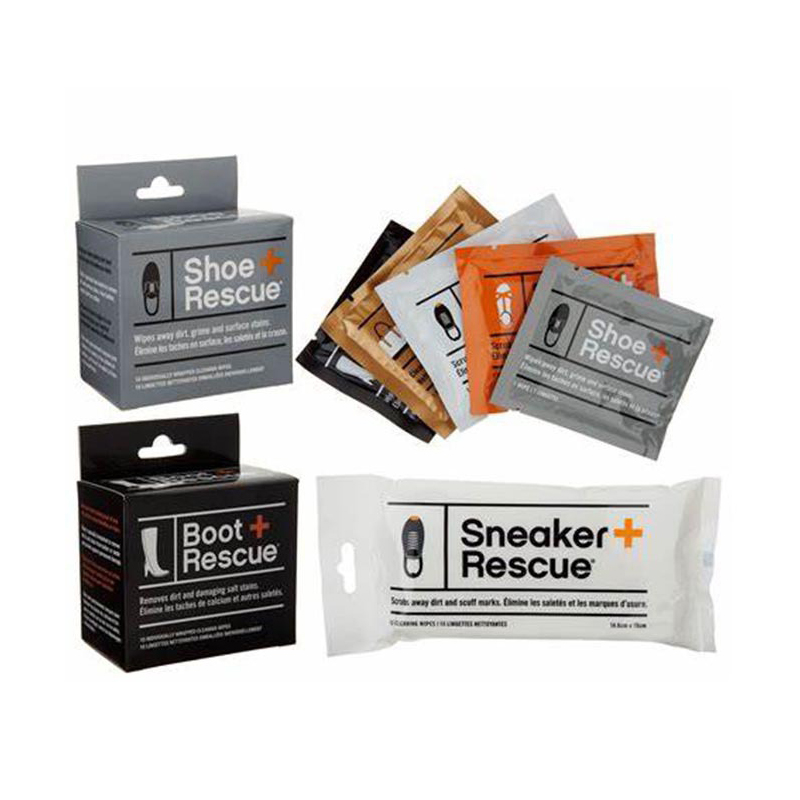
Within the household segment, growth is fragmenting into specialized sub-categories: kitchen surface wipes designed for food-safe environments, stainless steel appliance wipes, screen and electronics cleaning wipes, and shoe care wipes—all of which are capturing consumers who previously used a single all-purpose product for everything. This segmentation trend favors brands that can build specialized product lines with credible use-case positioning.
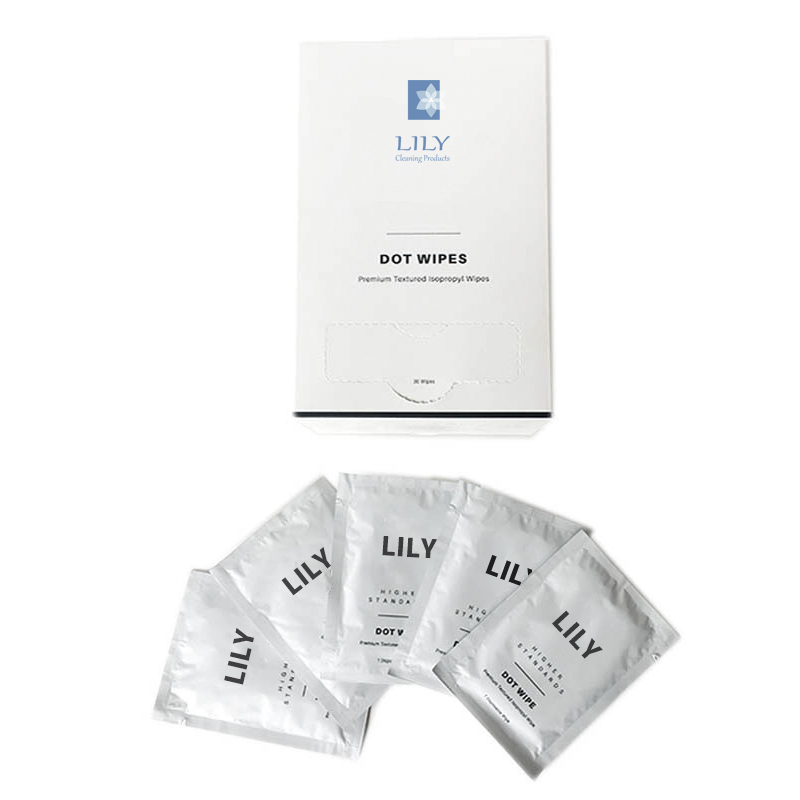
On the disinfecting side, the shift toward alcohol-free active systems (hypochlorous acid, benzalkonium chloride) is accelerating in settings with sensitive equipment or repeated skin contact. Alcohol-based and benzalkonium chloride disinfecting wipes each serve distinct efficacy and surface-compatibility profiles—a distinction that procurement teams are now explicitly specifying rather than leaving to general-purpose products. Meanwhile, household surface and kitchen cleaning wipes continue to benefit from the enduring consumer preference for single-use formats in food preparation areas where cross-contamination risk is top of mind.
Asia-Pacific is simultaneously the world's largest wet wipes consumption region by volume—accounting for approximately 40%–46% of global unit sales—and its fastest-growing major region by CAGR, with forecasts ranging from 3.8% to over 5% annually through the end of the decade. These two facts in combination make it the single most consequential geography for any brand or manufacturer thinking about market position over the next five years.
China alone accounts for roughly 15% of the global market, with a competitive landscape dominated by Unicharm and Hengan International but increasingly contested by domestic brands leveraging social commerce platforms (Douyin, Xiaohongshu) to build premium positioning with millennial and Gen Z parents. India is the region's emerging growth story: a young population, rapidly rising disposable incomes, expanding supermarket and e-commerce infrastructure, and a cultural shift toward disposable hygiene products that has been accelerating since 2020.
Southeast Asia presents a different but equally compelling opportunity. Urban household formation rates in Vietnam, Indonesia, Thailand, and the Philippines are creating a first-generation wipe-buying consumer class that is entering the category via e-commerce—often skipping traditional retail entirely. Online channels across Asia-Pacific are forecast to grow at a CAGR of 3.34% through 2031, but this understates the e-commerce shift in Southeast Asia, where digital retail is the primary point of consumer discovery for new personal care categories.
| Market | Estimated 2026 Share | Primary Growth Driver | Fastest-Growing Segment |
|---|---|---|---|
| China | ~15% of global market | Premium baby care, social commerce | Premium baby & facial wipes |
| Japan | Projected ~USD 0.39B | Advanced hygiene culture, aging population | Intimate care, elderly hygiene |
| India | Projected ~USD 0.22B | Rising middle class, urbanization | Baby wipes, household wipes |
| Southeast Asia | High-growth emerging | E-commerce adoption, first-generation category entry | Personal care, disinfecting |
For Western brands, Asia-Pacific is not simply a volume opportunity—it is a formulation and format learning environment. The compressed product innovation cycles driven by Chinese domestic brands and the hyper-specific format preferences of Japanese consumers (individually wrapped single wipes, ultra-thin substrates, specialized fragrance profiles) are generating product concepts that are increasingly finding their way into global launch pipelines.
Reading market trends is useful. Translating them into sourcing decisions is where the value is actually created. Based on the 2026 category data, four strategic implications stand out for buyers and private-label brands.
Biodegradable substrates are moving from differentiator to baseline requirement. With UK legislation already signed and EU regulatory alignment expected, any product developed today for the European market that uses conventional synthetic nonwovens faces an active compliance risk within its product lifecycle. Sourcing biodegradable substrate supply chains now—at current pricing—is significantly less expensive than emergency reformulation under regulatory deadline pressure.
Certification is becoming a distribution prerequisite, not a premium positioning add-on. Major European supermarket chains are already mandating OEKO-TEX Standard 100 certification for wet wipe substrates. In the US, EWG Verified status is increasingly a precondition for placement in premium retail channels. Building certification into product development from the outset is faster and cheaper than retrofitting it after distribution partnerships are under discussion.
Category specialization generates more defensible margin than breadth. Brands competing with one or two well-positioned SKUs in high-growth segments (intimate care, premium baby, eco-certified household) are systematically outperforming those competing across many categories with undifferentiated products. The fragmentation of the household segment into specialized sub-categories reinforces this: buyers are increasingly looking for manufacturers who understand a specific use case, not just those who can make any wipe cheaply.
Asia-Pacific sourcing and market entry planning should be concurrent. The same region driving the highest consumption growth is also home to the most sophisticated wipe manufacturing infrastructure. Brands building Asia-Pacific market access without simultaneously developing regional sourcing relationships are leaving a structural cost and speed-to-market advantage on the table.
The complete guide to private-label wet wipes covers the full sourcing and qualification process in detail—from substrate selection and formulation sign-off to MOQ structures, certification timelines, and the supplier audit questions that separate manufacturers who understand clean-label requirements from those who merely claim to.
The global wet wipes market in 2026 is not growing uniformly. It is growing at the intersection of rising consumer standards, tightening regulation, and genuine product innovation—and the brands that understand which categories sit at that intersection are the ones capturing disproportionate share of a market that, by any forecast, has a long runway ahead.

Wet Wipes OEM/ODM, Custom Wet Wipes Manufacturers in China. We are making wet wipes enter every household and become an essential part of our daily life, and are making unremitting efforts to create a cleaner and more comfortable home environment.
Read MoreFor exclusive deals and latest offers, sign up by entering your email address below.


 English
 русский
 عربى
عربى