 2026.05.25
 Industry News
Content
Pull up any auto parts retailer's website and search "car cleaning wipes." You'll find dozens of options, all promising a cleaner vehicle in seconds. What the packaging rarely makes clear is that these products are not interchangeable—and using the wrong one on the wrong surface is one of the most common ways car owners cause accidental damage to their own vehicles.
Car cleaning wipes fall into several distinct categories, each engineered for specific surfaces and cleaning tasks:
The difference between these categories is not cosmetic—it is chemical. What safely lifts grime from a vinyl dashboard can strip the protective oils from leather, cloud a touchscreen's anti-glare coating, or scratch a clear coat if used on painted bodywork without adequate lubrication. Knowing which wipe belongs where is the entire game.
Used correctly and matched to the right surface, car cleaning wipes are genuinely excellent tools. Their core strength is speed and convenience—pre-moistened, pre-formulated, and ready to use without measuring, mixing, or carrying additional gear.
High-touch interior hard surfaces are where car wipes perform at their best. The steering wheel, gear shift, door handles, seat belt buckles, parking brake, and button clusters around the infotainment system are touched hundreds of times per week and accumulate skin oils, food residue, and bacteria rapidly. A quick pass with an interior wipe or an alcohol disinfecting wipe for high-touch surfaces cleans and sanitizes these areas in under two minutes. For shared vehicles or rideshare drivers, this is not just an aesthetic exercise—it is a meaningful hygiene intervention.
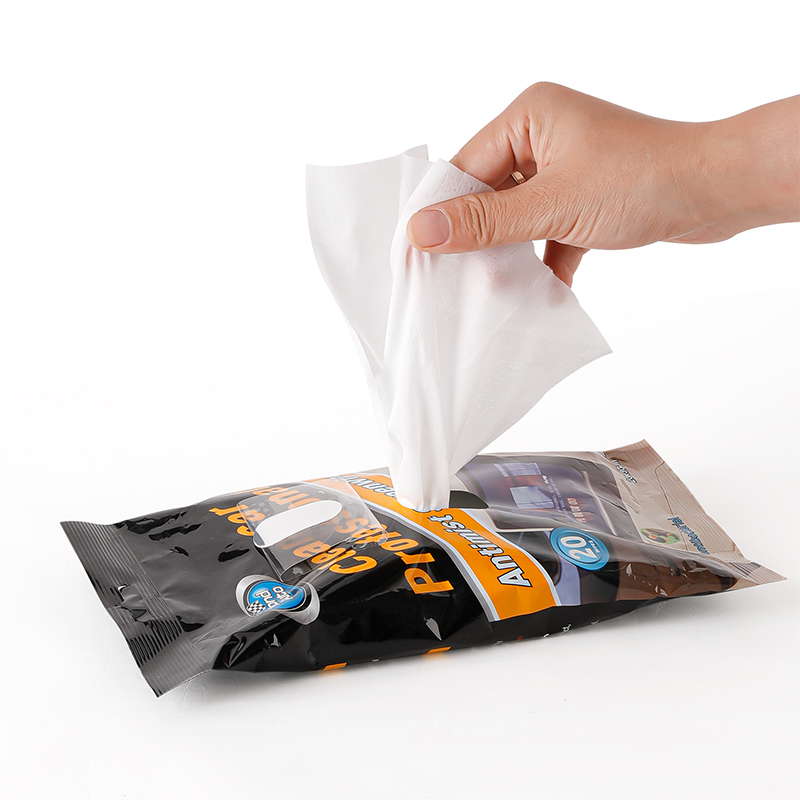
Dashboard, center console, and door panels made from hard plastic, vinyl, or rubber respond well to interior multi-surface wipes. A single wipe removes dust, fingerprints, and light grime, and those containing UV protectants provide a secondary benefit: slowing the fading, cracking, and discoloration that sun exposure causes on dashboard materials over time. Paired with thickened nonwoven automotive general-purpose cleaning wipes with adequate substrate strength, a single wipe can cover a full door panel without tearing or pilling.
Exterior emergency cleanup is the wipe's most time-sensitive use case. Bird droppings contain uric acid with a pH between 3 and 5—corrosive enough to begin etching through a car's clear coat within hours, especially in hot weather. Bug splatter presents a similar chemical threat from formic acid and other organic compounds in insect bodies. Dedicated exterior car wipes, formulated with sufficient lubrication to lift these contaminants without dry-wiping the paint surface, are genuinely effective for fresh deposits when soap and water are not available. The operative word is fresh: wipes work best within the first hour or two of contact, before heat and UV exposure bond the material to the clear coat surface.
For every surface where car wipes excel, there are others where the wrong product causes damage that accumulates invisibly over weeks and months—until one day the leather cracks, the touchscreen hazes, or the upholstery fades in a way no wipe will fix.
Genuine leather seats and trim are the most frequently damaged surface in the car interior cleaning context. Disinfecting wipes, general interior wipes, and any product containing significant alcohol or harsh surfactants will progressively strip the natural and applied oils from leather. The damage is not immediately visible—leather looks clean after wiping. But repeated exposure gradually dries out the material, causing it to stiffen, crack, and fade. Leather requires a dedicated leather-specific formula that cleans without degreasing and ideally includes a conditioning agent in the same step.
Infotainment touchscreens are the other major damage hotspot. Modern in-car displays ship from the factory with anti-glare and anti-fingerprint coatings—thin optical layers that are chemically vulnerable to ammonia, bleach, and high concentrations of alcohol. As automotive detailing experts at Hagerty Media note in their guide to car cleaning mistakes, household glass cleaners and general-purpose wipes will destroy these factory coatings on contact. Once the anti-glare layer is compromised, the screen develops a milky, uneven haze that cannot be reversed. Only ammonia-free, alcohol-reduced screen-specific wipes—or a clean, dry microfiber cloth for light dust—should ever touch an infotainment display.
Painted exterior bodywork is not a safe target for interior wipes, disinfecting wipes, or any household-type cleaning wipe. The problem is lubrication—or the lack of it. Interior wipes are not designed to safely glide over painted surfaces. Wiping paint with an inadequately lubricated substrate, even a soft one, risks introducing fine swirl marks and micro-scratches into the clear coat, particularly on darker-colored vehicles where these marks are most visible. Exterior quick-detail wipes designed specifically for painted surfaces contain chemical lubricants and conditioning polymers that allow the wipe to glide without friction. Everything else belongs inside the cabin, not on the bodywork.
Fabric upholstery and carpet sit in a similar category. Wipes can lift fresh surface spills if applied immediately, but they lack the penetration, dwell time, and extraction capacity to address anything below the surface fiber. Using a wipe on set-in upholstery stains typically disperses the stain laterally rather than removing it, enlarging the affected area. Fabric cleaning requires either dedicated upholstery cleaners with appropriate contact time or, for serious soiling, wet-extraction equipment.
The following table consolidates the key guidance for the most common car surfaces. Check your wipe's ingredient label against the "Avoid" column before use—and when in doubt, always patch-test on a hidden area first.
| Surface | Recommended Wipe Type | Avoid | Key Notes |
|---|---|---|---|
| Dashboard / hard plastic trim | Interior multi-surface wipe with UV protectant | Bleach, abrasives | UV protection extends material life; wipe in direction of grain on textured surfaces |
| Steering wheel (non-leather) | Disinfecting wipe (isopropyl or QAC-based) | Bleach | Allow 30–60 sec contact time for effective disinfection; wipe away residue |
| Genuine leather seats & trim | Leather-specific wipe with conditioning agents | Alcohol, strong surfactants, disinfecting wipes | Follow with leather conditioner; never leave leather wet |
| Infotainment touchscreen | Dedicated screen wipe (ammonia-free, lint-free) | Ammonia, bleach, high-alcohol wipes, paper towel | Wipe gently; never press hard; streak-free car glass and screen wipes are purpose-built for coated displays |
| Vinyl / rubber seals & trim | Interior multi-surface wipe | Ammonia, petroleum solvents | Ammonia dries and cracks rubber over time; condition rubber seals periodically |
| Cup holders & center console | Interior wipe or disinfecting wipe | Bleach | Use multiple wipes for sticky residue; let wipe soak briefly on stubborn spots |
| Seat belts (fabric portion) | Damp cloth + mild soap; avoid chemical wipes | Bleach, strong alcohol | Harsh chemicals degrade belt fibres and can compromise tensile strength |
| Exterior painted bodywork | Exterior quick-detail wipe (lubricated, paint-safe) | Interior wipes, household wipes, unlubricated substrates | Lubrication is essential; always wipe in one direction; for set-in contamination, use a full wash |
| Exterior glass / windows | Ammonia-free glass wipe or antistatic glasses and screen cleaning wipes | Ammonia (damages window tint film) | Clean in shade; ammonia attacks aftermarket tint adhesive |
| Fabric upholstery / carpet | Fabric-specific upholstery cleaner (not a wipe) | General wipes (spread stains) | Wipes are ineffective for embedded dirt; use extraction cleaning for stains |
Car cleaning wipes are a maintenance tool—a way to keep a reasonably clean car clean between proper washes. They are not a detailing substitute, and treating them as one leads to disappointment and, sometimes, surface damage from repeated attempts to do more than the product is designed for.
Deep or set-in stains require dwell time, agitation, and extraction that no pre-moistened wipe delivers. A coffee spill that soaked into fabric seat fibers two weeks ago, or a grease stain that has polymerized onto a plastic surface, will not respond to a wipe. The mechanical action of wiping will spread the contamination without lifting it. Dedicated fabric cleaners, enzyme-based stain removers, or professional extraction equipment are the appropriate tools for these jobs.
Odor elimination is similarly beyond a wipe's capability. Odors in vehicle interiors come from contamination embedded in porous materials—foam padding beneath upholstery, carpet backing, headliner fabric, HVAC ducts. A wipe addresses only the surface it contacts; it has no effect on odor sources inside materials. Persistent vehicle odors require ozone treatment, enzymatic odor neutralizers, or professional detailing with hot-water extraction.
Paint correction and protection cannot be achieved with a wipe. Swirl marks, oxidation, water-spot etching, and light scratches require polish compounds applied with appropriate tools and technique, followed by sealant or wax protection. Even exterior quick-detail wipes, which are the closest a wipe comes to paint care, only clean and add temporary light protection—they do not correct surface defects.
Comprehensive interior cleaning of a neglected vehicle—one with months of accumulated dust in vents, ground-in dirt in carpet fibers, and grime in seat crevices—requires vacuuming, brush agitation, and surface-specific cleaners before a wipe becomes useful as a finishing step. Attempting to substitute wipes for this process produces a car that looks briefly touched but remains fundamentally dirty.
The wipe market is not well-regulated in its labeling, and "safe for all surfaces" claims should be treated with healthy skepticism. No single wipe formula is truly safe for every surface in a vehicle—the chemical requirements for cleaning leather, coating-protected glass, painted bodywork, and hard plastic are simply too different to reconcile in one product.
When evaluating a car wipe, check the ingredient list against this short list of common problem ingredients:
On the substrate side, the wipe's fabric material matters as much as its formula. A wipe that is too thin tears during use and provides inadequate coverage. One that sheds fibers leaves lint on dark surfaces and in air vents. Thickened nonwoven substrates with consistent wet strength perform significantly better than low-cost thin wipes, particularly for larger surfaces like door panels and dashboards.
For disinfection tasks where killing pathogens on hard surfaces is the goal, benzalkonium chloride disinfectant wipes offer an alcohol-free alternative that is gentler on materials during repeated use while maintaining effective antimicrobial action—a useful option for steering wheels and door handles that are cleaned daily.
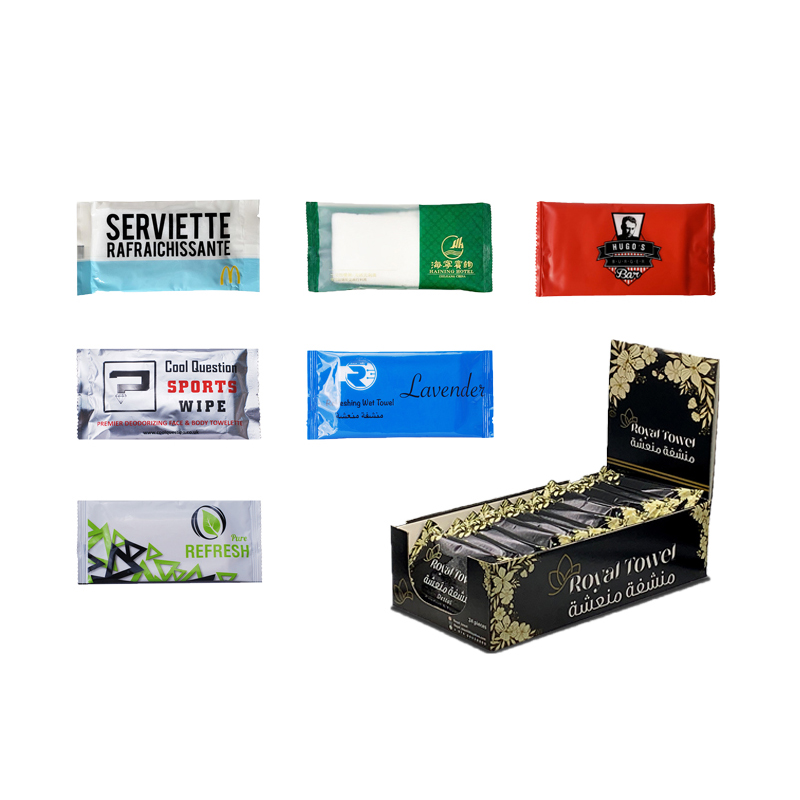
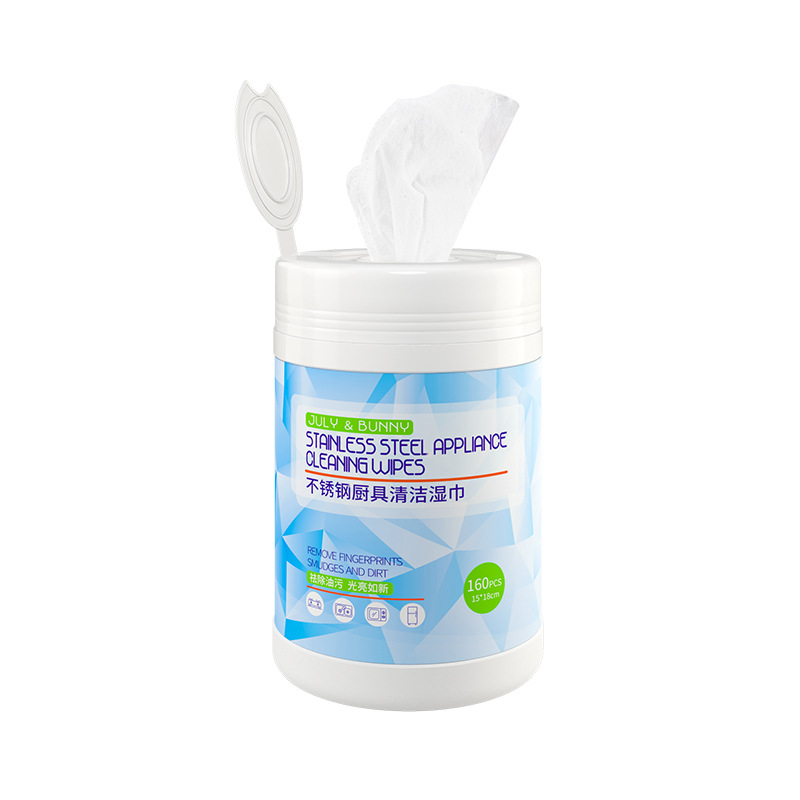
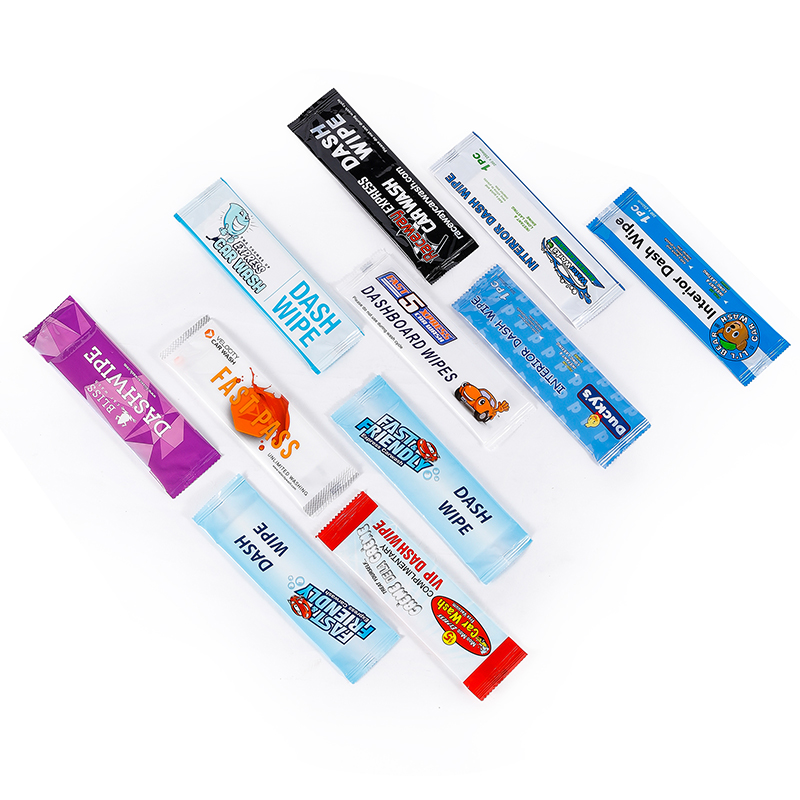
Finally, packaging matters for a product kept in a glove box or door pocket. Wipes that are not sealed in moisture-retaining packaging dry out within days in a hot car. Resealable containers with a secure closure keep wipes usable for weeks regardless of ambient temperature. Individually wrapped single wipes are the most reliable format for on-the-go exterior emergency cleanup, where you may only need one wipe at a time and cannot guarantee the container stays sealed between uses.
The right car wipe, used on the right surface, at the right moment, is a genuinely effective tool. The wrong one, applied with confidence to a surface it was not designed for, is an avoidable repair bill. The label—read before use, every time—is the difference between the two.

Wet Wipes OEM/ODM, Custom Wet Wipes Manufacturers in China. We are making wet wipes enter every household and become an essential part of our daily life, and are making unremitting efforts to create a cleaner and more comfortable home environment.
Read MoreFor exclusive deals and latest offers, sign up by entering your email address below.


 English
 русский
 عربى
عربى