 2026.02.28
 Industry News
Content
If you want to sell wet wipes under your own brand name without building a manufacturing facility, private label wet wipes are your most practical route. You work with an existing manufacturer, customize the formula, packaging, and branding, and sell the product as your own. Minimum order quantities (MOQs) typically start at 10,000 to 50,000 units, and lead times range from 30 to 90 days depending on customization complexity.
The global wet wipes market was valued at $23.5 billion in 2023 and is projected to reach over $35 billion by 2030, driven by hygiene awareness, convenience, and expanding product categories. This growth creates real opportunity for brands willing to enter the space strategically.
Wet wipes are not a single product — they span dozens of subcategories with different formulas, substrates, and regulatory requirements. Choosing the right category is the first strategic decision you'll make.
Each category has different certification needs, target buyers, and shelf placement strategies. Select a niche where you can differentiate rather than compete purely on price.
Before approaching any supplier, you need a working knowledge of wet wipe specs. These determine product quality, cost, and consumer perception.
The substrate is the sheet material. Common options include spunlace nonwoven (most popular), airlaid, and bamboo fiber. Spunlace nonwoven made from viscose or polyester blends is the industry standard. Bamboo commands a price premium but supports eco-positioning. GSM (grams per square meter) typically ranges from 40 to 80 GSM — higher GSM means thicker, more durable wipes.
The lotion is what's saturated into the substrate. It usually consists of purified water (90–98%), preservatives, emollients, and active ingredients. For baby and facial wipes, paraben-free, alcohol-free, and fragrance-free options are increasingly required by retail buyers and consumers. Ask suppliers for a full ingredient list and safety data sheet (SDS).
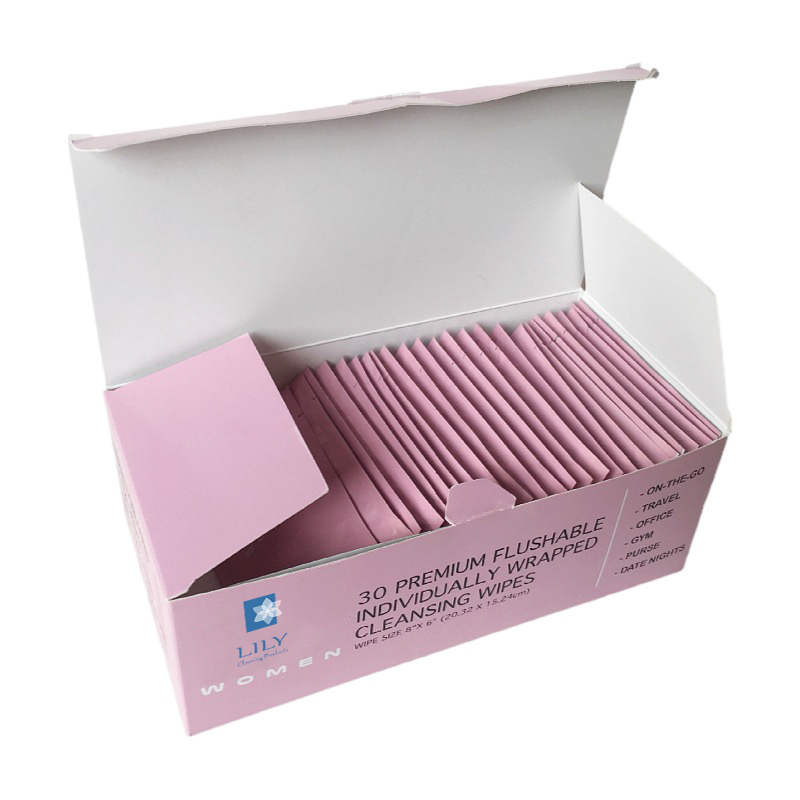
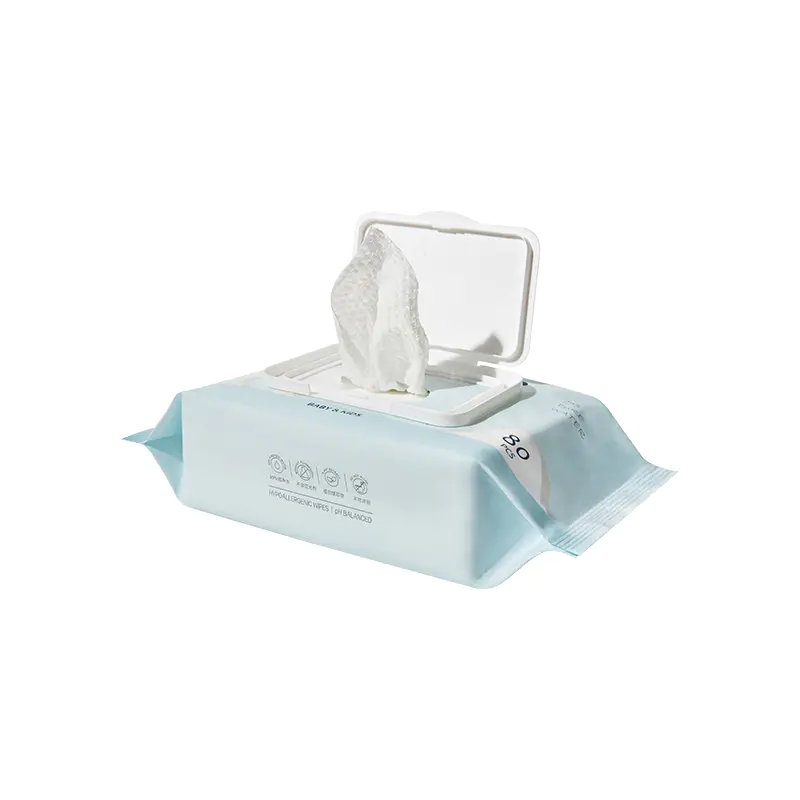
Standard sheet sizes for baby wipes run around 20 x 20 cm. Facial wipes may go up to 25 x 30 cm. Pack counts range from single-use sachets to 80-count resealable packs. Your pack format directly affects cost per unit and retail price positioning.
| Category | Typical GSM | Sheet Size (cm) | Common Pack Count | Formula Note |
|---|---|---|---|---|
| Baby Wipes | 50–70 | 20 × 20 | 72–80 | Alcohol-free, hypoallergenic |
| Facial Wipes | 60–80 | 25 × 30 | 25–30 | Micellar or oil-based lotion |
| Antibacterial Wipes | 40–55 | 18 × 20 | 10–15 (travel) | Active ingredient required |
| Disinfecting Wipes | 45–60 | 20 × 23 | 75–100 | EPA registration for kill claims |
| Pet Wipes | 50–65 | 20 × 20 | 40–50 | Pet-safe, no harmful botanicals |
The manufacturer you choose will define your product quality, supply reliability, and cost structure. Most private label wet wipe brands source from manufacturers in China, South Korea, or the US, depending on their target market and quality expectations.
Always request samples before placing any production order. Test them yourself and, if possible, run a basic panel test with your target users.
Packaging is the primary driver of purchase decisions in the wet wipes category. Consumers often can't evaluate the formula before buying — so the pack is the product, from a perception standpoint.
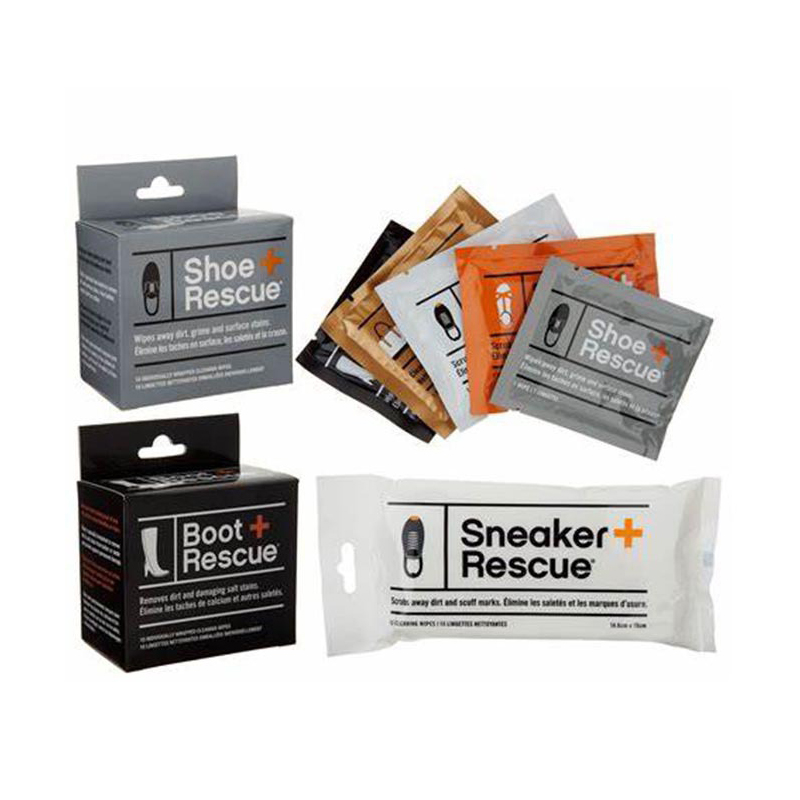
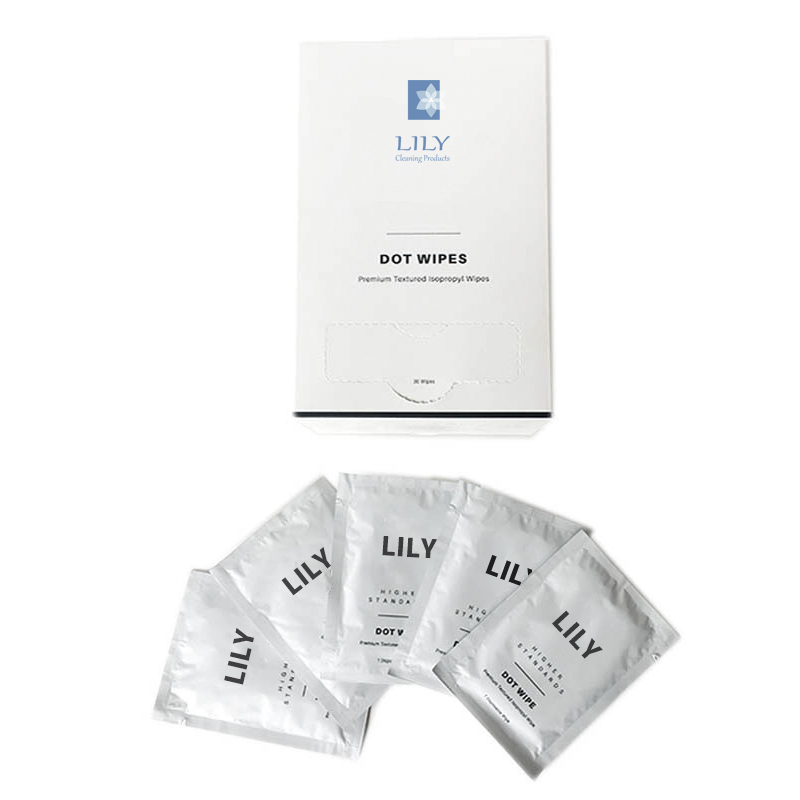
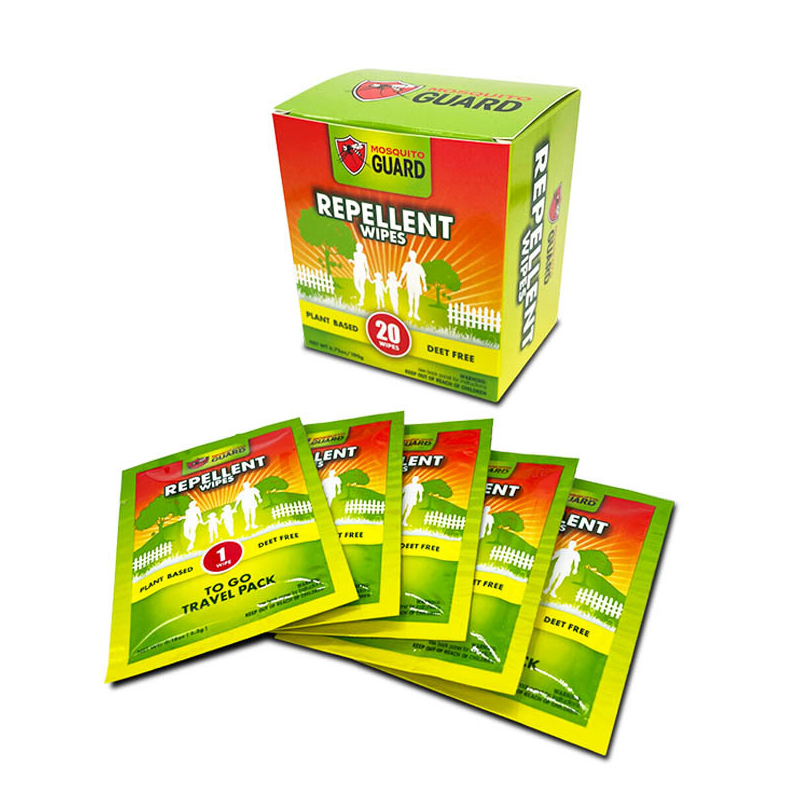
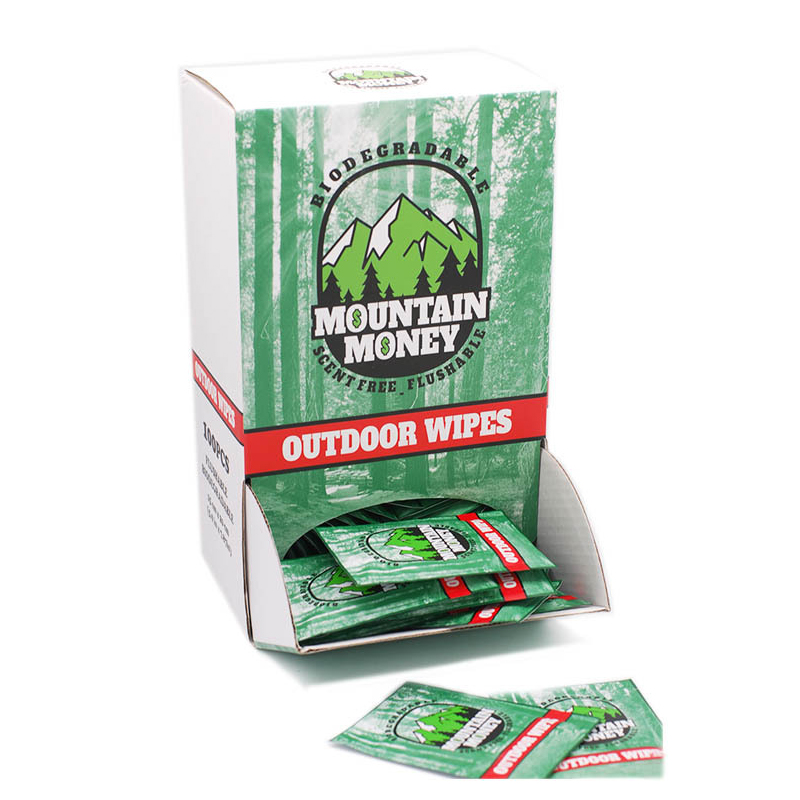
Common packaging formats include:
For label design, ensure your packaging meets the legal labeling requirements for your target market. In the US, this includes an ingredient list (INCI names), net quantity, manufacturer or distributor name and address, and any required warnings. In the EU, Regulation (EC) No 1223/2009 applies to cosmetic wipes, with additional requirements for product notification via the CPNP portal.
Invest in professional graphic design. Data from Nielsen shows that 64% of consumers try a new product because the packaging catches their eye. In a crowded shelf environment, generic design will cost you sales regardless of product quality.
Compliance is where many first-time private label brands get caught off guard. Requirements vary significantly by market and product type.
Cosmetic wipes (facial, baby) are regulated by the FDA under the Federal Food, Drug, and Cosmetic Act. No pre-market approval is required for cosmetics, but you are responsible for product safety and accurate labeling. Antibacterial wipes with drug claims (e.g., "kills 99.9% of germs") may be classified as OTC drugs, requiring additional compliance steps. Disinfecting wipes that make sanitizing or disinfecting claims must be registered with the EPA.
Cosmetic products must comply with EU Regulation 1223/2009. You need a Responsible Person (RP) established in the EU, a Product Information File (PIF), a safety assessment conducted by a qualified safety assessor, and CPNP notification before placing the product on the market. Biocidal wipes (disinfecting) fall under the Biocidal Products Regulation (BPR) 528/2012 and require product authorization.
Understanding your cost breakdown upfront helps you set sustainable retail prices and assess channel viability.
| Cost Component | Estimated Range (USD/unit) | Notes |
|---|---|---|
| Manufacturing (product + pack) | $0.40 – $0.90 | Varies by GSM, formula, packaging type |
| Freight & Duties (sea) | $0.05 – $0.15 | Higher for air freight |
| 3PL / Warehousing | $0.05 – $0.12 | Depends on storage and fulfillment model |
| Amazon FBA fees (if applicable) | $0.30 – $0.60 | Referral + fulfillment fee |
| Total landed cost (approx.) | $0.80 – $1.77 | Before marketing and overhead |
Retail prices for 72-count baby wipes on Amazon range from $5.99 to $14.99, depending on brand positioning. A well-positioned private label brand with strong reviews can realistically target the $7.99–$10.99 range and maintain healthy margins.
Choosing the right channel depends on your brand positioning, budget, and long-term goals. Most successful private label wipe brands use a multi-channel approach.
Most brands that struggle in this space make the same avoidable errors. Learning from them early can save significant time and capital.

Wet Wipes OEM/ODM, Custom Wet Wipes Manufacturers in China. We are making wet wipes enter every household and become an essential part of our daily life, and are making unremitting efforts to create a cleaner and more comfortable home environment.
Read MoreFor exclusive deals and latest offers, sign up by entering your email address below.


 English
 русский
 عربى
عربى