 2026.02.28
 Industry News
Content
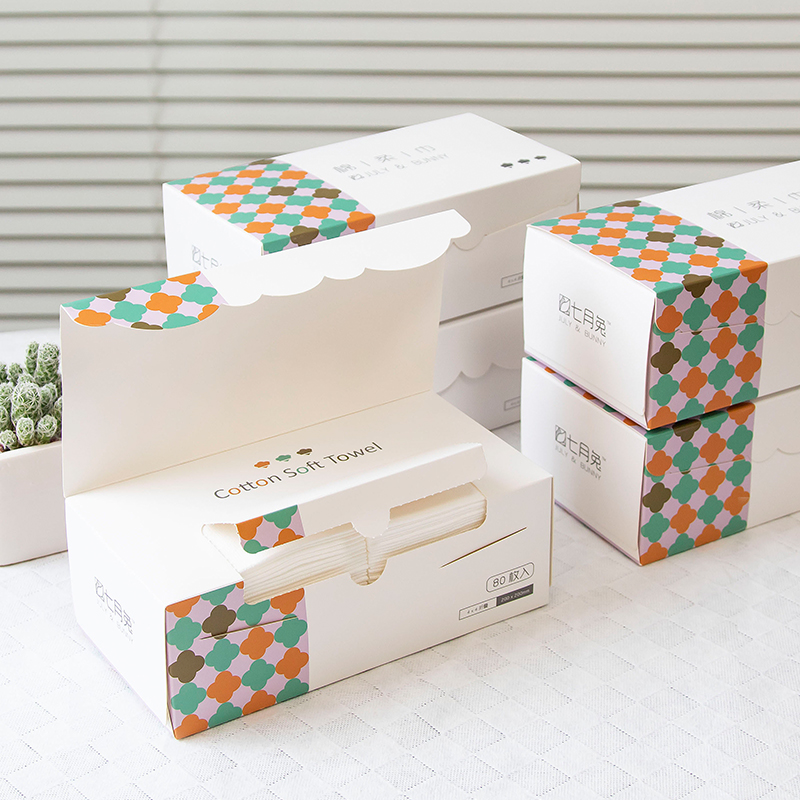
Disposable face towels are a practical upgrade for your skincare routine. Unlike reusable cloth towels, which can harbor bacteria within 48 hours of first use, disposable options offer a fresh, hygienic surface every single time. Dermatologists widely recommend them for people with acne-prone, sensitive, or post-procedure skin because they eliminate one of the most overlooked sources of skin irritation: the bathroom towel.
If you've been dealing with persistent breakouts or skin irritation despite a solid skincare routine, your reusable face towel may be the culprit. Switching to disposable face towels is one of the simplest and most immediate changes you can make.
Most people wash their face towels once a week—but studies show that bacteria can double on a moist towel surface every 20 minutes. Common culprits include Staphylococcus aureus and E. coli, both of which can trigger inflammation and breakouts when transferred to freshly cleansed skin.
Beyond bacteria, reusable towels accumulate:
This is why many estheticians and dermatologists now list "switch to disposable face towels" alongside core skincare advice like SPF and double cleansing.
Not all disposable face towels are created equal. They vary significantly in material, texture, and intended use. Understanding the differences helps you pick the right one for your skin type and routine.
The most common type. Made from compressed plant fibers or synthetic materials, these are soft, gentle, and suitable for most skin types. They're ideal for daily cleansing and makeup removal. Brands like Tonymoly and Haruharu Wonder have popularized these in K-beauty routines.
Made from 100% cotton, these feel closest to traditional towels. They're highly absorbent and suitable for sensitive skin. Some are even compostable, making them a more eco-conscious choice. Expect a slightly higher price point—typically $10–$18 per 100-count roll.
These are compact, coin-sized tablets that expand into a full-sized towel when wet. They're travel-friendly and space-saving. Great for gym bags or travel kits. One tablet typically expands to approximately 8" x 10".
Made from bamboo fibers, these are naturally antibacterial, soft, and biodegradable. Bamboo grows up to 35 times faster than hardwood trees, making this option a more sustainable choice without sacrificing performance.
| Type | Material | Best For | Eco-Friendly | Avg. Cost (100 ct) |
|---|---|---|---|---|
| Non-Woven | Synthetic / Plant Fiber | General Daily Use | Varies | $6–$12 |
| Cotton | 100% Cotton | Sensitive Skin | Sometimes | $10–$18 |
| Compressed Tablet | Mixed Fiber | Travel | No | $5–$10 |
| Bamboo | Bamboo Fiber | Eco-Conscious Users | Yes | $12–$20 |
Selecting the wrong texture or material can negate many of the hygiene benefits. Here's a quick guide based on common skin concerns:
This is a fair concern. Single-use products do generate waste—but the picture is more nuanced than it first appears. A standard reusable cotton towel requires approximately 2,700 liters of water to produce, and repeated washing adds further water and energy consumption over its lifespan.
To minimize environmental impact when using disposable face towels:
Several brands now offer compostable disposable face towels that break down within 90 days in home compost conditions—making the environmental trade-off far more acceptable.
Even with disposable towels, technique matters. Follow these steps to get the most out of each towel and protect your skin barrier:
With dozens of options on the market, narrowing down your choice is easier when you focus on a few key product attributes:

Wet Wipes OEM/ODM, Custom Wet Wipes Manufacturers in China. We are making wet wipes enter every household and become an essential part of our daily life, and are making unremitting efforts to create a cleaner and more comfortable home environment.
Read MoreFor exclusive deals and latest offers, sign up by entering your email address below.


 English
 русский
 عربى
عربى