

 2026.11.23
 Industry News
Content
If you have ever stood in a beauty aisle wondering which package deserves your trust, you are not alone. The search for the best organic makeup remover wipes can feel confusing, especially when every label promises gentle cleansing, plant-based materials, and a fresh face. In our work making wet wipes for brands and institutions, we have learned that the better question is not simply “which wipe is best?” but “which wipe is best for this skin, this routine, and this set of expectations?” This guide walks through the details that matter.
In makeup wipes, “organic” is used in several different ways. It may describe certified organic ingredients, such as aloe or chamomile. It may refer to plant-derived fibers, such as cotton, bamboo, or viscose. Sometimes it is used more loosely to suggest a formula without certain synthetic additives. Those are not the same claim, and a careful buyer should treat them separately.
A wipe can have a plant-based cloth and still contain fragrance, preservatives, or cleansing agents that sensitive skin may not love. A formula with organic botanical extracts can still be packaged in plastic that is not recyclable. The strongest products are transparent about both the wipe material and the liquid formula. If a package says “organic” but gives no details about fiber content, ingredient sourcing, or certification, treat that word as a starting point rather than a guarantee.
Start with the basics: cloth, formula, packaging, and the type of makeup you wear. A wipe designed for light powder and sunscreen does not need the same cleansing strength as one used for long-wear foundation or waterproof mascara. Likewise, a wipe for occasional travel does not need the same packaging as one kept in a daily bathroom routine.
| What to Check | Why It Matters | What Good Looks Like |
|---|---|---|
| Fiber source | Affects softness, biodegradability, and how much friction the wipe creates on skin. | Cotton, bamboo, viscose, or other plant-based fibers with clear material information. |
| Ingredient list | Helps you avoid fragrance, drying alcohol, or preservatives that may irritate sensitive skin. | A short, readable list with purposeful cleansing agents and soothing ingredients. |
| Packaging | Influences moisture retention, hygiene, and the product’s overall environmental footprint. | A reliable resealable pack, refill options where possible, and clear disposal guidance. |
| Claims and testing | Separates meaningful verification from vague marketing language. | Specific certifications, patch-test guidance, and honest wording about organic content. |
For buyers comparing formulas, it also helps to understand the difference between a wipe and a liquid cleanser. We cover that in this comparison of makeup remover wipes vs micellar water, which can help you decide whether a wipe fits your cleansing style.
Sensitive skin usually benefits from restraint. Look for a soft cloth, a fragrance-free formula, and a short ingredient list. Avoid wipes that feel heavily perfumed or leave a strong tingling sensation. If your skin reacts easily, patch-test a new wipe on the jawline before using it around the eyes. A gentle wipe should remove makeup without leaving the skin tight or flushed.
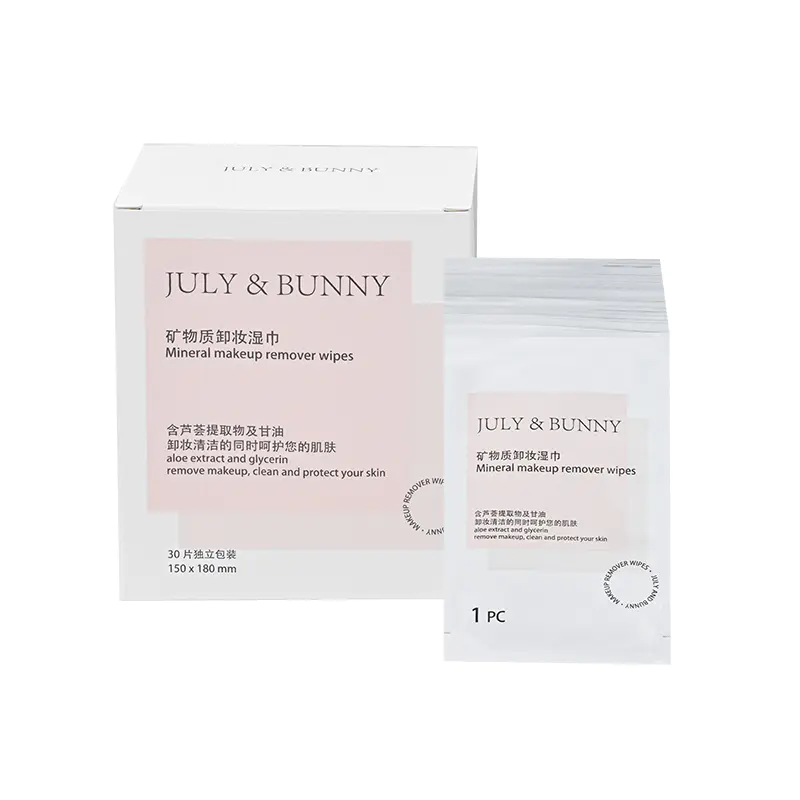 Fragrance-Free Makeup Remover Wipes for Sensitive SkinpH-balanced, alcohol-free wipes with soft plant-fiber cloth and aloe glycerin for gentle daily makeup and eye-area removal on sensitive skin.View Product →
For sensitive-skin buyers, the best organic makeup remover wipes are often the ones that do less. They cleanse efficiently, but they do not try to exfoliate, fragrance, or over-treat the skin in the same step.
Oily and combination skin may need a wipe that lifts sebum and makeup residue without stripping the skin. Look for a formula that cleanses thoroughly but still feels comfortable after use. If you wear long-wear base makeup, a slightly textured wipe can help, but rough cloth is not a substitute for a proper cleansing step. Follow with a gentle cleanser if your skin feels like it still has product on it.
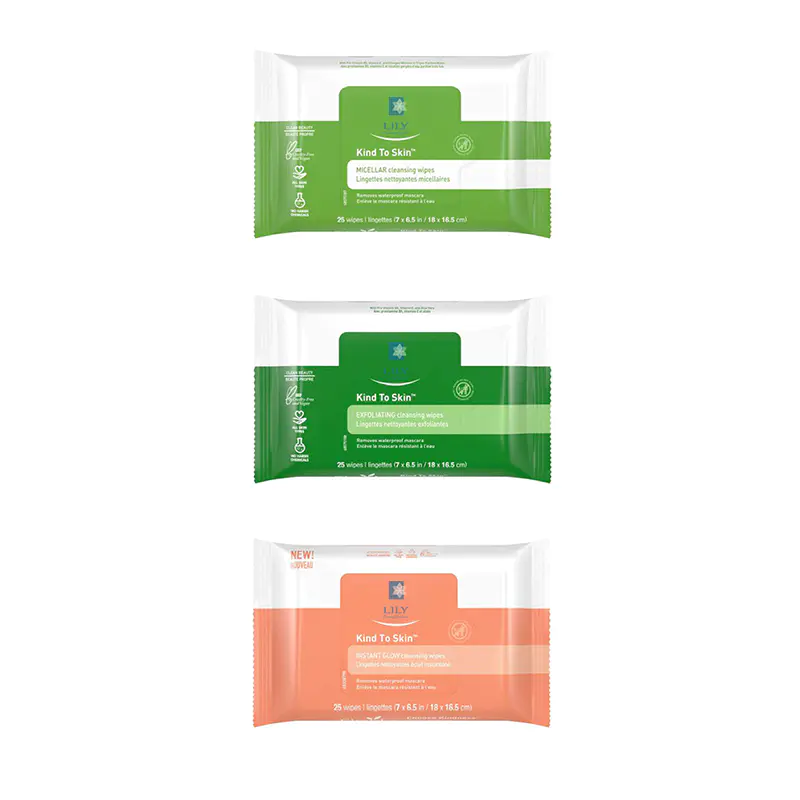 Deep-Cleansing Makeup Remover Wipes for Oily SkinSalicylic acid and natural astringents help dissolve excess oil and stubborn makeup, while the refreshing non-greasy wipe leaves skin clean without tightness.View Product →
Dry skin often does best with a wipe that feels soft and slightly moist rather than astringent. Normal skin can usually use a wider range of formulas, but it still benefits from avoiding unnecessary fragrance and harsh alcohol. If your skin feels dry after cleansing, a wipe may be better used as a first step before a cream or balm cleanser, not as the only step.
There is no perfect ingredient list for every person, but some patterns are worth noticing. Soothing plant extracts, glycerin, and mild cleansing agents can help a wipe feel comfortable. Fragrance, essential oils, and drying alcohols are common culprits for sensitive skin, though not everyone reacts to them. The key is to read the label with your own skin in mind.
If you are buying for a brand or a retail program, ask for full ingredient documentation and stability information. A formula can look clean on the front of the pack and still need careful preservation and testing behind the scenes. That is part of responsible manufacturing.
Texture is more than a feel-good detail. A wipe that is too thin can tear during use, while one that is too thick may not wrap around the eye area comfortably. A well-made wipe should stay moist in the pack, hold up during a gentle sweep, and feel soft enough for the face. Size also matters: a larger wipe is useful for full-face makeup, while a smaller wipe may be enough for travel or touch-ups.
Packaging affects how often you use the product and how much waste it creates. Reclosable packs help prevent wipes from drying out. Single-wrap formats are convenient for travel or hospitality, but they use more material per wipe. If sustainability is a priority, look for refill options, recyclable packaging where available, and clear guidance on whether the wipe itself should be composted or placed in general waste.
One wipe is not always enough, and that is fine. Using two wipes gently is usually better for the skin than pressing hard with one. If your eyes sting or your skin feels tight afterward, the product may be too strong or too drying for your routine.
In our experience making wet wipes, the most convincing products are not the ones with the longest list of claims. They are the ones with a clear material specification, a stable formula, and packaging that protects the product properly. Buyers should ask what the wipe is made from, how the formula was tested, and what the maker means by “organic.” You can learn more about our wet wipe manufacturing background if you are curious how these details are handled on the production side.
For brands, there is also a practical balance between cost and performance. A soft plant-based cloth and a gentle formula may cost more than a standard synthetic wipe, but they can support a clearer story and a better user experience. The right choice depends on the customer, the sales channel, and the claims the brand can support with evidence.
They can be, but the word “organic” alone does not guarantee gentleness. A soft cloth, fragrance-free formula, and short ingredient list matter more than a single marketing claim.
Many people do, especially as a first cleansing step. If your skin feels dry, tight, or irritated, reduce frequency or follow with a gentle cleanser and moisturizer.
Some do, but it depends on the formula and technique. Hold the wipe over closed eyes for a few seconds, then sweep gently. Avoid tugging the lashes.
Not always. Biodegradability depends on the fiber, binder, and composting conditions. Check the package instructions and local composting guidance before disposing of them in a home compost bin.
The best organic makeup remover wipes are not the ones with the loudest green label. They are the ones that match your skin, remove makeup without irritation, and make their material and formula choices clear. Read the details, test gently, and choose a wipe that supports the routine you will actually keep.

Wet Wipes OEM/ODM, Custom Wet Wipes Manufacturers in China. We are making wet wipes enter every household and become an essential part of our daily life, and are making unremitting efforts to create a cleaner and more comfortable home environment.
Read MoreFor exclusive deals and latest offers, sign up by entering your email address below.


 English
 русский
 عربى