

 2026.05.08
 Industry News
Content
You've just wrapped up a long day. Your foundation, mascara, and setting spray aren't going anywhere on their own — and you have two options staring at you from the bathroom shelf: a pack of makeup remover wipes or a bottle of micellar water. Both promise the same result, yet dermatologists, beauty editors, and everyday users can't seem to agree on which one actually wins. The honest answer? Neither is universally better. The right choice depends entirely on your skin type, your routine, and what you're asking the product to do.
This guide breaks down exactly how each product works, what the science says about their strengths and limitations, and how to get the best of both worlds.
Understanding the mechanism behind each formula is the fastest way to stop guessing and start choosing intentionally.
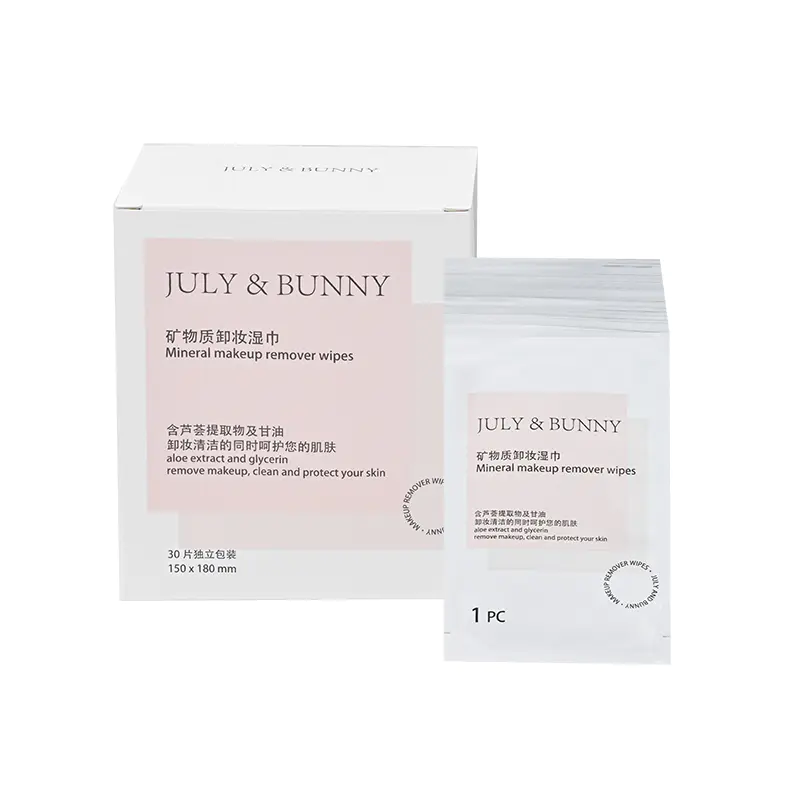
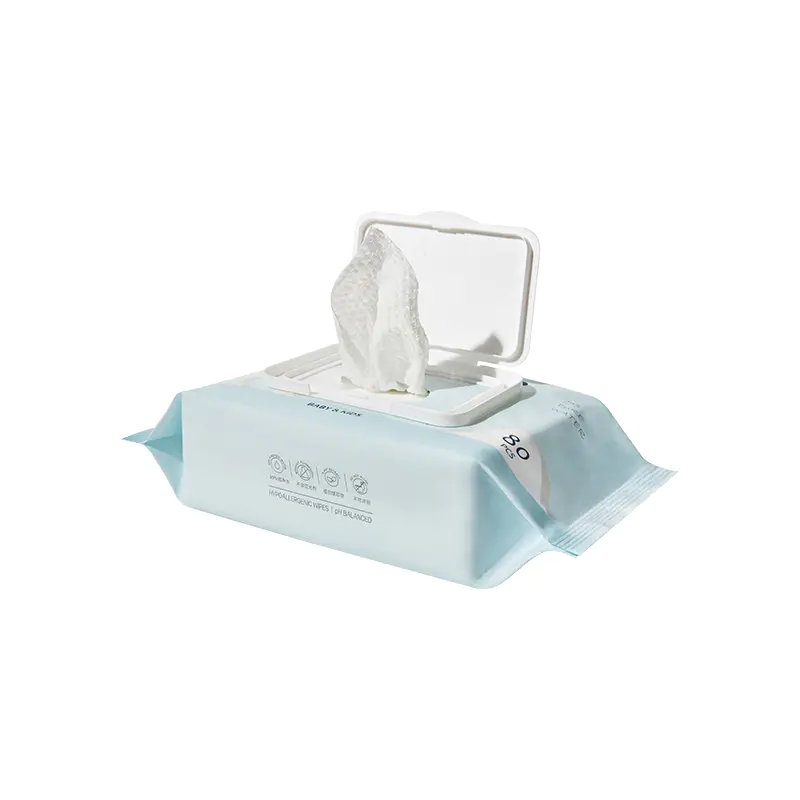
Makeup remover wipes are pre-moistened cloths saturated with a blend of surfactants, emulsifiers, and solubilizers. When you swipe a wipe across your face, these ingredients break down the oils, pigments, and waxes in your makeup, while the physical motion of the cloth lifts them away from your skin. Modern formulations have moved well beyond the alcohol-heavy versions of a decade ago — today's high-quality wipes often include skin-conditioning agents like aloe vera, glycerin, and panthenol to cushion the cleansing action and maintain moisture balance.
Micellar water works on a fundamentally different principle. It contains tiny spherical structures called micelles — clusters of surfactant molecules suspended in soft, purified water. The outer shell of each micelle is water-attracting, while the interior core is oil-attracting. When a micellar water-soaked cotton pad glides across your skin, these micelles act like microscopic magnets, drawing out oil-based makeup, sunscreen residue, and impurities without requiring scrubbing. Because no rinsing is needed, the formula tends to be exceptionally gentle.
The case for wipes has always been convenience — and that case is stronger now than ever.
Key advantages:
Limitations to be aware of:
Micellar water earned its cult status for good reason — but it's not without trade-offs.
Key advantages:
Limitations to be aware of:
| Factor | Makeup Remover Wipes | Micellar Water |
|---|---|---|
| Cleansing Power (light makeup) | Excellent | Excellent |
| Cleansing Power (heavy / waterproof) | Good (with gentle pressure) | Moderate (may need repeat passes) |
| Portability | ⭐⭐⭐⭐⭐ Highest | ⭐⭐⭐ Moderate (requires pads) |
| Gentleness on Skin | Good (formula-dependent) | Very Good |
| Speed of Use | ⭐⭐⭐⭐⭐ Fastest | ⭐⭐⭐⭐ Fast |
| Eco-Friendliness | Lower (biodegradable options available) | Higher (reusable pads possible) |
| Cost Per Use | Low–Moderate | Low–Moderate |
| No Water Needed | Yes | Yes |
Neither product is one-size-fits-all. Your skin's baseline behavior should be the deciding factor.
Dry or dehydrated skin: Prioritize formulas with humectant-rich ingredients. Alcohol-free makeup remover wipes formulated for sensitive skin that include glycerin or hyaluronic acid can cleanse without stripping. Micellar water with added glycerin is also a strong option. Whichever you choose, follow up with a nourishing moisturizer.
Sensitive or reactive skin: Micellar water's no-friction application is the gentler mechanical choice. If you prefer wipes, select fragrance-free, paraben-free formulas made with non-woven fabric (softer than traditional cloths) and use a light press-and-lift motion rather than scrubbing.
Oily or acne-prone skin: This skin type benefits most from a diligent cleansing routine. Use oil-controlling makeup remover wipes designed for oily skin types to break down excess sebum and surface makeup quickly, then follow with a gel-based cleanser to clear pores. Leaving surfactant residue — from either wipes or micellar water — on oily skin without rinsing increases the risk of breakouts.
Combination skin: Flexibility is your friend. A gentle wipe works well for the T-zone where makeup tends to be most stubborn, while micellar water handles the drier cheek areas with more precision. Adjusting your approach by zone is perfectly valid.
Here's the approach that most dermatologists quietly practice themselves: use both, in sequence.
Start with a makeup remover wipe to do the heavy lifting — removing foundation, blush, highlighter, and lip color in one or two passes. This pre-cleanse step means you're not dragging a full face of pigment across your skin during the next stage. Then, follow with micellar water (applied to a cotton pad with a gentle press-and-hold technique) to catch any remaining traces, calm the skin, and leave it receptively clean for serums or moisturizers.
After using micellar water — especially before applying any leave-on skincare — consider a light rinse with lukewarm water. This removes any residual surfactant film and ensures your skin barrier is functioning at its best. Board-certified dermatologists at the American Academy of Dermatology consistently reinforce one non-negotiable in this process: avoid scrubbing or rubbing aggressively when removing makeup, regardless of which product you're using, as mechanical irritation is one of the most overlooked triggers of persistent skin sensitivity.
For the drying step, a disposable cotton face towel for gentle post-cleanse drying eliminates the bacteria transfer risk associated with reused bathroom towels — a small but meaningful upgrade to any cleansing routine.
The makeup remover wipes vs. micellar water debate doesn't have a single correct answer — and that's actually useful information. It means you're not locked into one method. The question to ask isn't "which is better?" but "better for what, and when?"
Wipes win on speed, portability, and convenience — especially when formulated with skin-nourishing ingredients rather than harsh solvents. Micellar water wins on gentleness, precision, and multi-step versatility. Together, they form a cleansing duo that covers more ground than either does alone.
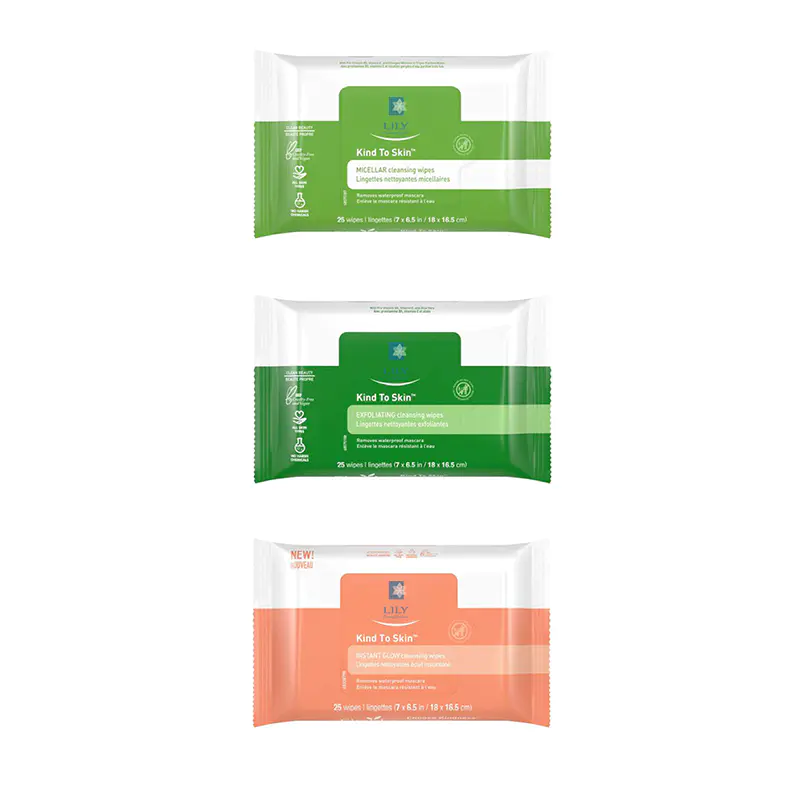
If you're looking to source high-performance options for retail, private label, or bulk distribution, explore our full range of makeup remover and nail polish remover wipes — developed to meet the formulation standards that modern skin deserves.

Wet Wipes OEM/ODM, Custom Wet Wipes Manufacturers in China. We are making wet wipes enter every household and become an essential part of our daily life, and are making unremitting efforts to create a cleaner and more comfortable home environment.
Read MoreFor exclusive deals and latest offers, sign up by entering your email address below.


 English
 русский
 عربى
عربى