

 2026.11.20
 Industry News
Content
Few purchases feel as personal as the wipes you use on a newborn. You read the label, turn the pack over twice, and wonder whether "natural" is a promise or just a word. We have spent more than two decades making wipes—including baby wipes—for brands, retailers, and families, and the questions parents ask us have barely changed. What is actually in these things? Which materials are gentlest? And how do you compare two packs that both claim to be clean?
This guide is written from the factory floor as much as from the nursery. It is not about chasing a single perfect product. It is about knowing what to look for so the best natural baby wipes for your family are easier to recognise, whether you are shopping for a newborn or buying in bulk for a business. If you would like to know more about the people behind this advice, our story and manufacturing background are a good place to start.
In most markets, "natural" is a marketing term rather than a regulated guarantee. That does not make it meaningless, but it does mean you should treat it as a starting point, not a conclusion. A wipe made mostly of water and plant-based fibre can reasonably be described as natural. A wipe with a long list of preservatives, fragrances, and synthetic binders is harder to defend, even if the front of the pack looks reassuring.
What matters more is the full picture: the liquid, the cloth, and the packaging. The liquid should be simple enough that you can understand every line. The cloth should feel soft against thin, reactive skin and hold enough moisture without dripping. The pack should keep both stable without relying on harsh chemistry to do the work.
For everyday nappy changes, the ideal liquid is close to water and low in potential irritants. Preservatives are the tricky part: a wipe with no preservative at all can grow mould once the pack is open, so formulators use small amounts of approved preservatives to keep the product safe. The goal is not zero preservation. It is preservation that is gentle, well chosen, and clearly disclosed.
Ingredients many parents prefer to avoid include alcohol in high concentrations, strong fragrance blends, essential oils around the nappy area, and harsh surfactants. Some babies react to specific preservatives, which is why a patch test on a small area of skin is always sensible with a new pack. If a wipe stings, leaves redness, or dries the skin, stop using it—even if the label says it is suitable for sensitive skin.
Good signs include purified water, a short list of emollients such as glycerin, and a material that does not shed fibres. If you want a deeper look at safety questions, our team has written a practical overview of baby care wipe safety that covers preservatives, pH, and how to read a label without panic.
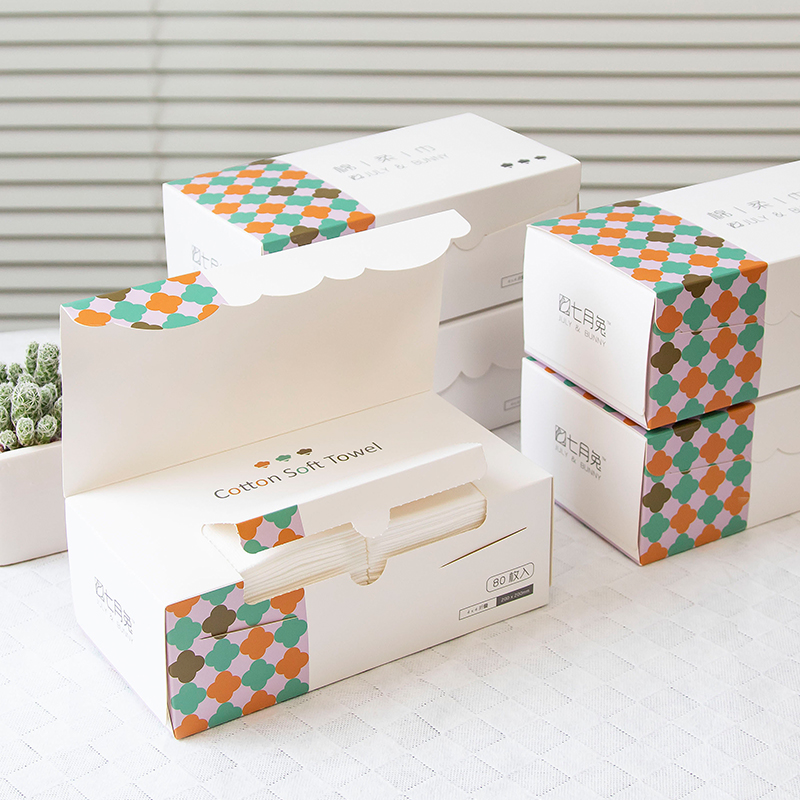
The cloth is where many "natural" claims quietly fall apart. A wipe can have a beautiful water-based formula and still feel rough, pill on the skin, or clog a bathroom bin. Fibre choice affects softness, wet strength, how much liquid the wipe holds, and how quickly it breaks down. Cotton is the traditional choice and remains one of the softest. Bamboo fibre is popular for its drape and biodegradability. Plant-based nonwovens can be engineered to be strong and low-lint, which matters when you are cleaning more than a nappy.
| Material | Feel on Skin | Biodegradability | Best Suited To |
|---|---|---|---|
| Medical-grade pure water nonwoven | Very soft, low lint | Moderate | Newborns and sensitive skin |
| Cotton | Soft and familiar | High | Gentle daily cleaning |
| Bamboo fibre | Smooth and flexible | High | Eco-conscious families |
| Plant-based nonwoven blends | Strong and consistent | Moderate to high | Bulk and commercial use |
Texture is personal. Some parents prefer a thicker wipe that stays folded in the hand; others want a lighter cloth that glides. Either can be gentle if the fibre is well finished and the liquid is appropriate. What you should not accept is a wipe that leaves fibres behind or feels dry straight out of the pack.
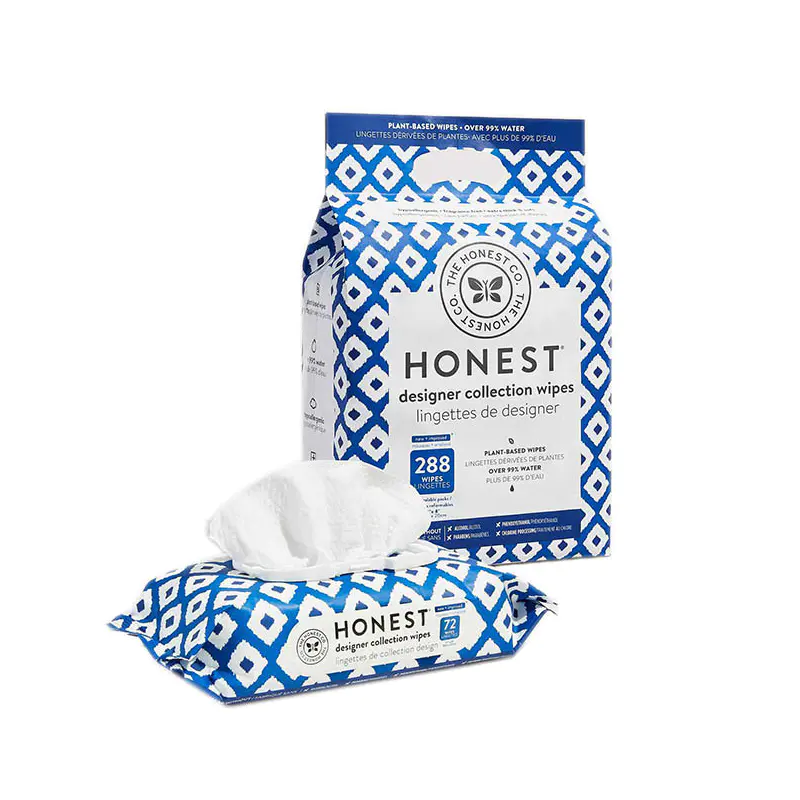 Natural Cotton and Bamboo Baby Wipes for Sensitive SkinFragrance-free wipes made from natural cotton and biodegradable bamboo fibre, offering a soft option for sensitive skin and wholesale customization.View Product →
Water is usually the largest single ingredient in a baby wipe, which makes its quality more important than most shoppers realise. In our factory, we treat water to a high purity standard before it ever reaches the mixing stage. This is not a marketing flourish. Impurities can affect shelf life, smell, and how the final wipe feels on skin.
For parents, the practical takeaway is simple: when a pack says "pure water" or "medical-grade water," look for a brand that can explain where that water comes from and how it is handled. A manufacturer that controls its own water treatment is in a better position to keep every batch consistent. It is one of those invisible details that separates a wipe you trust from one you tolerate.
A wipe has to work at 3 a.m., with one hand, while a baby is squirming. That is why fold design and pack format deserve more attention than they usually get. A pop-up pack that dispenses one wipe cleanly saves frustration. A resealable lid that actually seals keeps the stack moist to the last sheet. For travel, individually wrapped or smaller packs prevent the whole bag from drying out.
Thickness is a trade-off. Thicker wipes feel more substantial and reduce the chance of breakthrough, but they use more material and can be harder to flush or break down. Thin wipes are lighter and often more economical, but may need two sheets per change. There is no universal winner—only the format that matches how you will use it.
When you are standing in an aisle or scrolling a product page, this short routine will keep you grounded:
If a brand cannot tell you what its wipes are made from, that is useful information too. Transparency is usually a sign of a manufacturer that knows its process.
Parents are not the only people looking for natural baby wipes. Retailers, pharmacies, and online sellers increasingly want private-label ranges that feel gentle and credible. This is where working directly with a manufacturer helps. Our factory in Haining runs automated lines and supports OEM and ODM projects, including custom formulations, pack sizes, and labels. We also keep a medical-grade pure water option for customers who want a simple, low-irritant starting point.
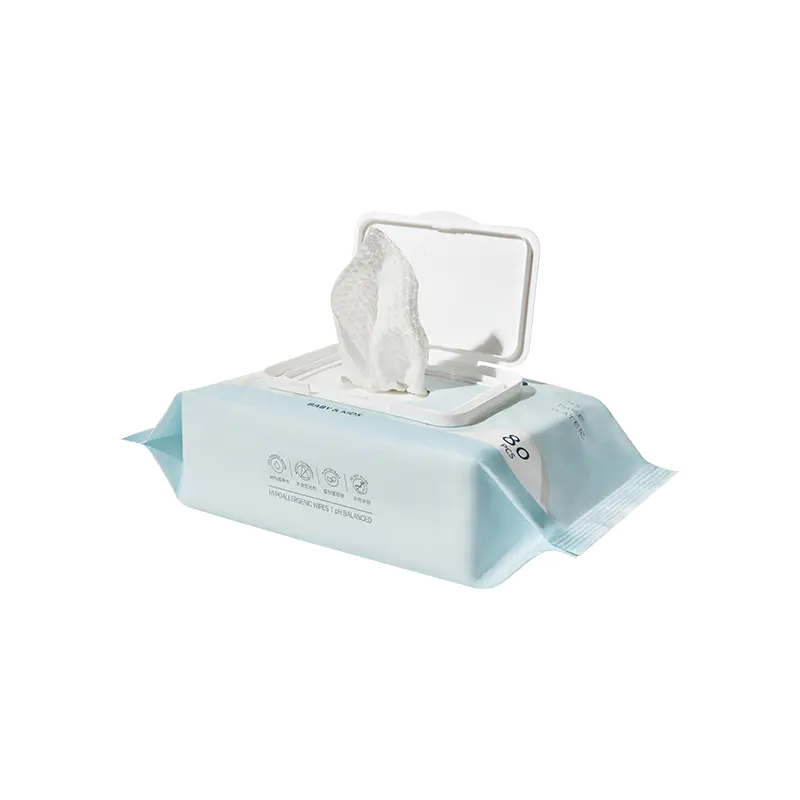 Medical-Grade Pure Water Baby Wipes for Sensitive SkinWholesale baby wipes using up to 99.9% purified water with alcohol-free, fragrance-free formula, suitable for delicate skin and private-label ranges.View Product →
If you are comparing suppliers, ask about water treatment, fibre sourcing, preservative choices, and how samples are produced. A factory that can walk you through those details is usually the one that can keep your next batch consistent. For families, the same principles apply: fewer surprises, clearer labels, and a wipe that behaves the same way every time you open the pack.
The best natural baby wipes are not necessarily the ones with the most leaves on the label. They are the ones with a short, understandable formula, a soft and well-finished cloth, and a pack that keeps both fresh. Start with water quality, check the fibre, and do not be swayed by fragrance or bold claims. Your baby's skin will tell you quickly enough whether you have chosen well—and a small trial pack is always cheaper than a cupboard full of regret.

Wet Wipes OEM/ODM, Custom Wet Wipes Manufacturers in China. We are making wet wipes enter every household and become an essential part of our daily life, and are making unremitting efforts to create a cleaner and more comfortable home environment.
Read MoreFor exclusive deals and latest offers, sign up by entering your email address below.


 English
 русский
 عربى