

 2026.09.21
 Industry News
Content
Peel open an antiseptic wipe and an alcohol wipe side by side and you would struggle to tell them apart. Both are damp, disposable, and made for a single use. The real difference sits in the liquid they carry, and that difference decides whether a wipe belongs on broken skin, on a stainless steel counter, or on the screen of your phone.
We have manufactured wet wipes since 2003, supplying airlines, hotels, baby care brands, and industrial buyers, and the same three questions come up again and again: which one is safer, which one kills germs faster, and which one should you actually buy? This guide answers all three without the marketing fog.
An antiseptic wipe is a pre-moistened cloth carrying an antimicrobial agent that is gentle enough for skin. The word "antiseptic" describes the job rather than one single chemical, so the formula inside can vary widely:
Because the active ingredient stays on the surface after wiping, antiseptic wipes keep working for a while rather than flashing off in seconds. They sting far less than alcohol on an open graze, and they do not leave skin feeling tight and papery. The trade-off is speed: most antiseptics need a longer contact time, and some leave a light film that you may notice on hands or face.
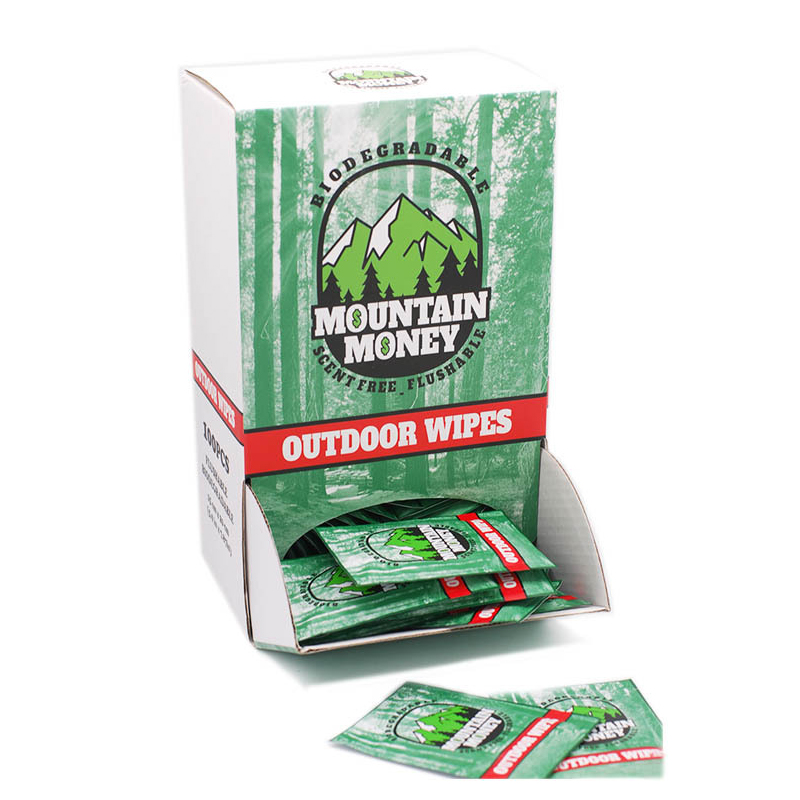
 Benzalkonium Chloride Disinfectant WipesDesigned for gentleness and long-lasting effectiveness, our disinfectant wipes contain benzalkonium chloride (BZK) as the core active ingredient. This ingredient is mi...View Product →
Alcohol wipes are soaked with either ethanol (ethyl alcohol) or isopropyl alcohol (IPA), typically diluted with purified water to around 60 to 75 percent. That water content matters: alcohol needs water to denature proteins effectively, which is why a 99 percent solution is not automatically better than a 70 percent one.
Alcohol works fast. It evaporates within seconds, leaves no residue, and needs no rinsing, which makes it the default choice for hard surfaces, tools, thermometer probes, and quick hand hygiene when soap and water are out of reach. On the other hand, alcohol is a solvent with opinions: it stings on cuts, dries out skin with repeated use, can dull certain plastics and coatings, and is flammable enough that it should never sit near an open flame.
Two alcohol families exist and they are not identical. We compared them in detail in this guide to ethanol versus isopropyl wipes, and the short version is that IPA suits surfaces and instruments while ethanol is often the preferred choice for skin.
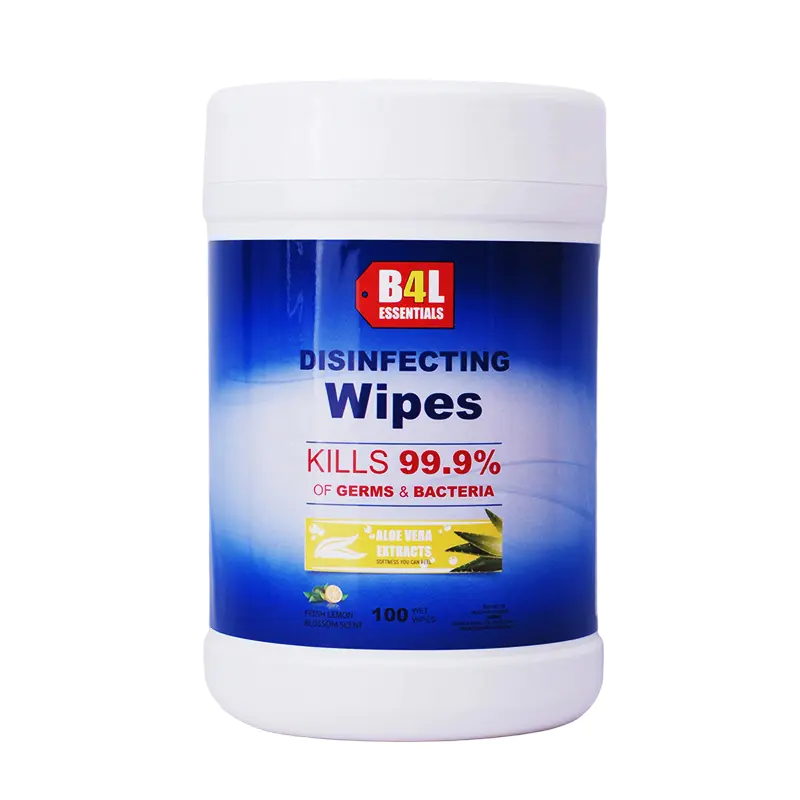
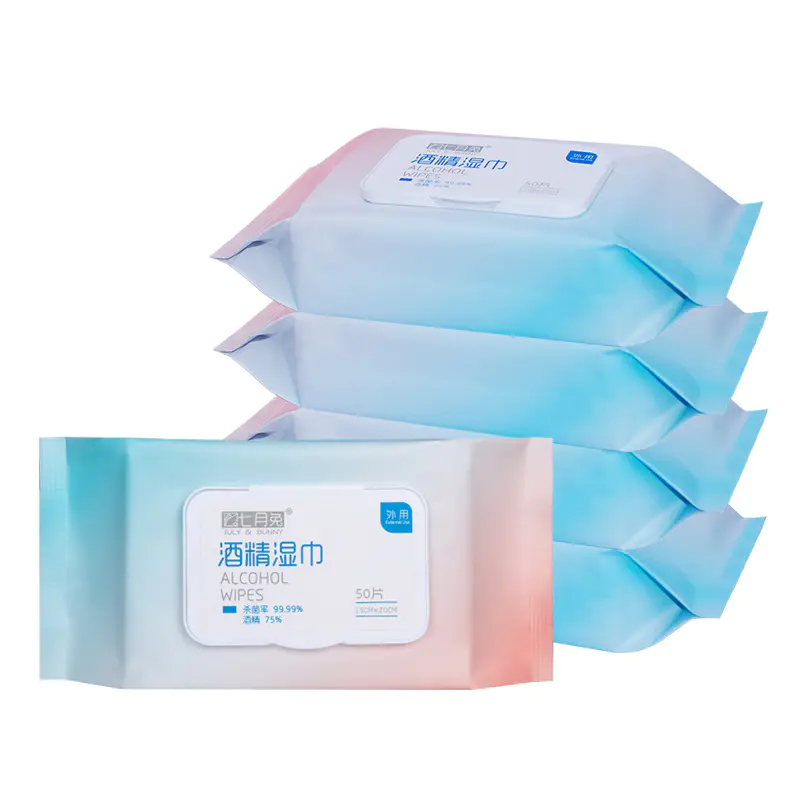 On-the-go Alcohol Disinfectant WipesQuick and effective, disposable, a classic choice for keeping clean.View Product →
| Feature | Antiseptic Wipes | Alcohol Wipes |
|---|---|---|
| Typical active ingredient | BZK, chlorhexidine, povidone-iodine, hypochlorous acid | 60-75% ethanol or 70% isopropyl alcohol |
| Best suited to | Skin, minor cuts, grazes, insect bites | Hard surfaces, tools, screens, quick hand hygiene |
| Open wounds | Generally suitable | Generally avoided; stings and may irritate tissue |
| Speed of action | Moderate to fast, depends on the active | Very fast |
| Residual effect | Some actives keep working after wiping | None; evaporates completely |
| Skin feel | Low sting, minimal dryness | Cooling, then drying with repeated use |
| Residue left behind | May leave a light film | Leaves no residue |
| Flammability | Usually low | Flammable; store away from heat |
| Common formats | Sachets, canisters, flow packs | Sachets, canisters, individually wrapped |
Reach for an antiseptic wipe when the surface you are cleaning is skin, and especially when that skin is broken, tender, or belongs to a child. In practice, that covers most of the following situations:
If you keep only one type of wipe in a family first-aid kit, make it an antiseptic one.
Alcohol wipes take the lead the moment skin is no longer the target. Their fast evaporation and zero residue make them the practical option for hard surfaces and equipment:
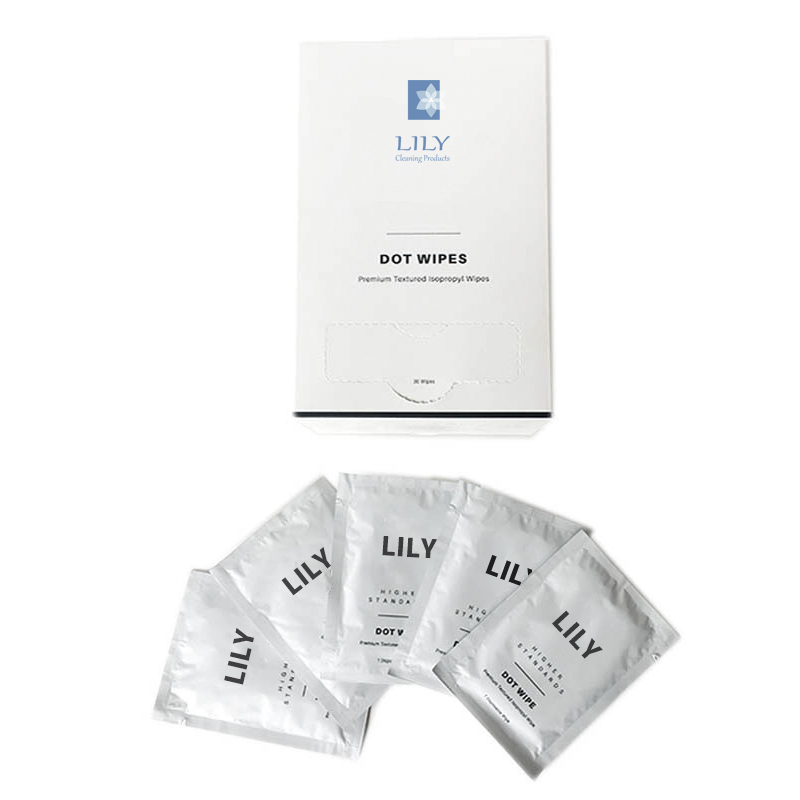 Isopropyl Alcohol Cleaning Wipes for Metal InstrumentsEfficient disinfection, rapid evaporation, professional-grade precision careView Product →
The rules around both products are simple, and they are the ones we repeat most often to new buyers:
One more point that surprises people: wetter is not always stronger. A wipe that stays wet long enough to do its job, on a substrate that does not shred, matters more than a dramatic alcohol percentage on the front of the pack.
For brand owners, distributors, and procurement teams, the antiseptic versus alcohol question is usually a formulation question rather than a shelf question. A single product line may need both: a BZK towelette for first-aid and travel kits, an ethanol sachet for restaurant and airline service, and an IPA wipe for instrument and equipment care.
The decisions that follow are practical ones — which active and concentration, which substrate (spunlace, viscose blend, bamboo, or cotton), which pack format (single sachet, flow pack, canister, or boxed roll), and which labelling requirements apply in the destination market. Our factory in Haining runs automated lines producing more than 600,000 pieces a day, with an in-house technical team and a sample room for custom formulation and packaging trials. If you would like to see the options side by side, our disinfecting wipe range is a good place to start.
No. Alcohol wipes are one category of antiseptic wipe in the broadest sense, but when suppliers and buyers say "antiseptic wipe" they usually mean a skin-safe formula based on BZK, chlorhexidine, iodine, or hypochlorous acid rather than alcohol.
An antiseptic wipe. Alcohol stings, dries the surrounding skin, and may slow the healing of tissue around the wound.
It is not recommended. Alcohol is too drying and irritating for a baby's skin, and there is a risk of it reaching the eyes or mouth. Use a water-based baby wipe instead.
It depends entirely on the active ingredient and the contact time stated on the label. Some actives are effective against enveloped viruses; others are mainly antibacterial. Always read the product claim rather than assuming.
Usually yes, and many manufacturers now say so explicitly. Avoid alcohol on older anti-glare or oleophobic coatings, where it can cause clouding over time.
The two products are not rivals so much as colleagues with different job descriptions. Antiseptic wipes look after skin — gentle, low-sting, and still working after the wipe is folded away. Alcohol wipes look after everything else — fast, residue-free, and unbeatable on surfaces and tools. Match the wipe to the surface, check the label, and keep both within easy reach.

Wet Wipes OEM/ODM, Custom Wet Wipes Manufacturers in China. We are making wet wipes enter every household and become an essential part of our daily life, and are making unremitting efforts to create a cleaner and more comfortable home environment.
Read MoreFor exclusive deals and latest offers, sign up by entering your email address below.


 English
 русский
 عربى
عربى