

 2026.08.14
 Industry News
Content
A traveler in her early thirties picks up a pack of antibacterial vaginal wipes at a pharmacy before a long flight, assuming that anything labeled antibacterial must be better at protecting her intimate health. A few days later, she notices itching and irritation. Her pharmacist explains what she missed: the intimate area has its own carefully balanced bacterial ecosystem, and not every antibacterial wipe is designed to respect it.
Antibacterial vaginal wipes can be useful hygiene products, but they work well only when the active agent is mild, the formulation is pH-balanced, and the user understands that the product is for external cleansing only, not for treating infections. This article explains how these wipes differ from standard feminine wipes, which ingredients are actually safe, when the product is worth using, and what to verify before sourcing it under your own private label.
The category has grown steadily as more consumers look for convenient ways to feel fresh during menstruation, travel, and exercise. Growth, however, has also brought confusion about what the label antibacterial should mean on a product intended for one of the most sensitive areas of the body.
The vulvar region is protected by a microbiome dominated by lactobacilli. These bacteria produce lactic acid and hydrogen peroxide, creating an environment in which pathogenic organisms struggle to survive. The natural vaginal pH stays between roughly 3.8 and 4.5. When this balance is disturbed, the risk of bacterial vaginosis, yeast overgrowth, and general irritation rises sharply.
This is why pH balance is the first thing to check before evaluating any antibacterial claim. A wipe that kills harmful bacteria but also suppresses lactobacilli can trigger the very problems it is meant to prevent. The best antibacterial vaginal wipes combine a mild antimicrobial agent with a pH-adjusted base around 4.0 to 4.5, so they clean without leaving the area vulnerable.
Consumers often confuse antibacterial strength with effectiveness. In intimate care, the opposite is usually true: the gentlest formula that still inhibits unwanted bacteria is the best one. This is consistent with what a clean wipe formula should and should not contain, where the focus falls on avoiding aggressive ingredients rather than adding more of them.
Not all antibacterial agents behave the same way on sensitive skin. The table below summarizes the most commonly seen ingredients in intimate wipes and the practical considerations around each one.
| Agent | Typical Concentration | Suitability for Intimate Wipes |
|---|---|---|
| Benzalkonium chloride (BZK) | 0.05-0.1% | Broad-spectrum; gentle at low concentrations |
| Lactic acid | Used as a pH buffer | Supports natural defenses; mildly antimicrobial |
| Ethanol (alcohol) | 60% or higher in sanitizers | Too drying and disruptive for intimate use |
| Triclosan | Restricted in many markets | Not recommended; regulatory and residue concerns |
| Essential oils | Varies widely | Potential skin sensitizers; requires patch testing |
Benzalkonium chloride, or BZK, is one of the more balanced options for antibacterial intimate wipes. It provides broad-spectrum activity at concentrations low enough to remain tolerable on sensitive membranes. The same chemistry appears in general-purpose disinfectant wipes at higher concentrations. A manufacturer with experience across both categories can usually manage the dosage and buffer system more reliably, because formulation data from one product range informs the other. Our pH-balanced intimate hygiene wet wipe is a typical example of this approach, formulated specifically for sensitive intimate skin. The same active ingredient powers a separate line of benzalkonium chloride disinfectant wipes intended for surface disinfection, which shows how concentration changes the product's role entirely.
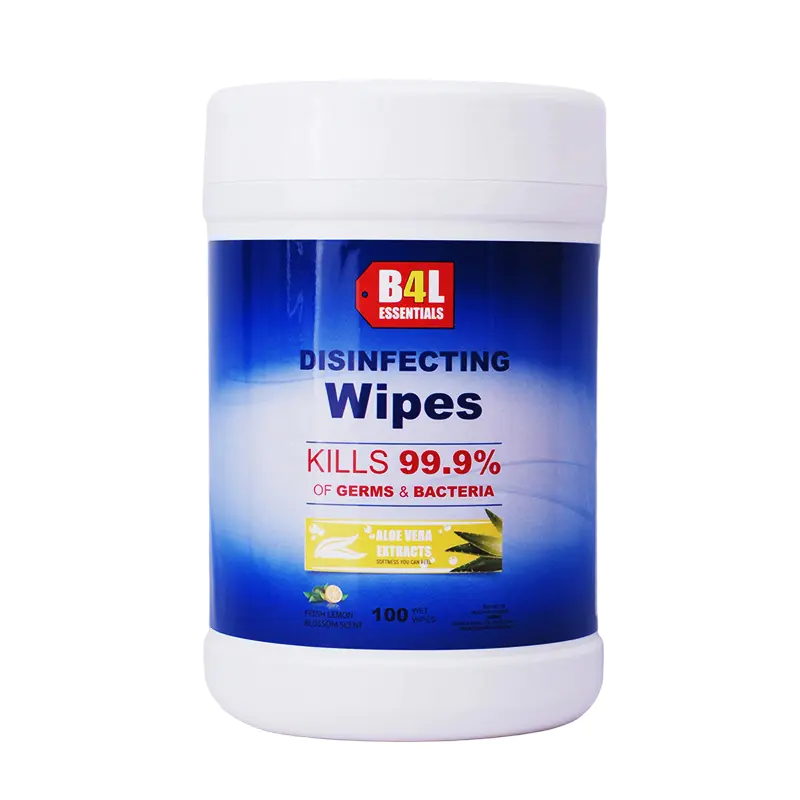 Benzalkonium Chloride Disinfectant Wipes Suppliers, Company - HAINING LILY CLEANLILY CLEANING PRODUCTS is China Benzalkonium Chloride Disinfectant Wipes Suppliers and Company, Wholesale Benzalkonium Chloride Disinfect...View Product →
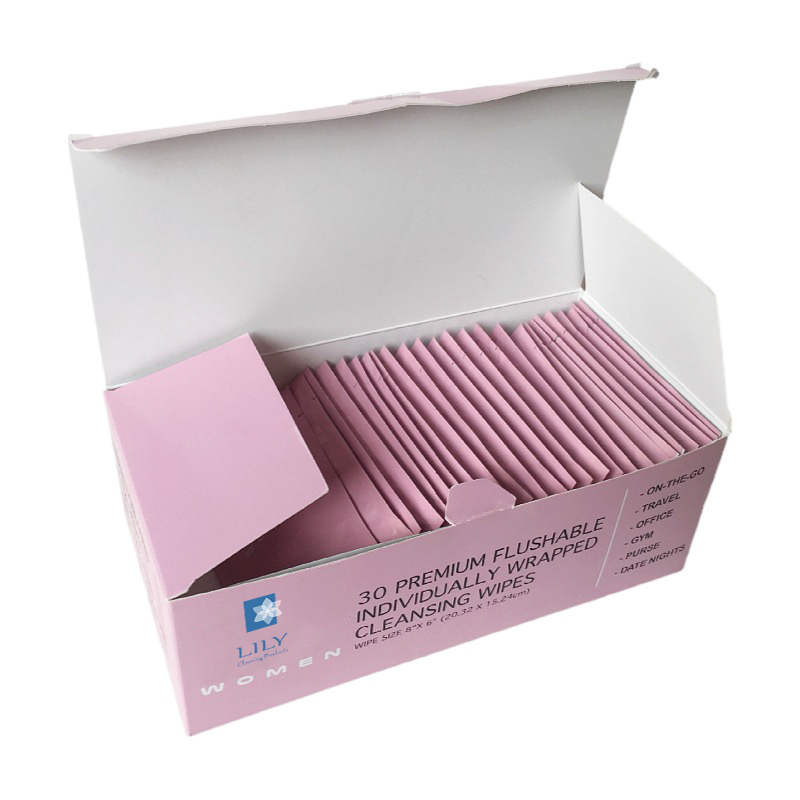 PH Balanced Intimate Hygiene Wet Wipes Suppliers, Company - HAINING LILY CLEANINLILY CLEANING PRODUCTS is China PH Balanced Intimate Hygiene Wet Wipes Suppliers and Company, Wholesale PH Balanced Intimate Hygiene Wet ...View Product →
Alcohol is the ingredient to avoid most consistently. Ethanol-based wipes are effective on hands and hard surfaces, but the same concentration that kills bacteria also strips the protective lipid layer of the vulvar skin, leaving it dry and prone to micro-tears. Artificial fragrance is another avoidable risk; contact dermatitis from fragrance is one of the most common complaints reported with feminine wipes. A short, transparent ingredient list is a better indicator of safety than a marketing claim on the front of the pack.
Antibacterial vaginal wipes are not a daily necessity for most people, but they earn their place in specific situations where a quick refresh is needed and soap and water are not available.
What antibacterial vaginal wipes are not is a treatment. They do not cure bacterial vaginosis, yeast infections, or sexually transmitted infections. If symptoms such as unusual discharge, strong odor, itching, or burning are present, the right course of action is a medical consultation, not a stronger wipe.
For daily toilet paper replacement, a separate category of product, gentle universal wet toilet paper, offers a simpler, non-antibacterial option. It follows the same pH logic while focusing on cleansing rather than antimicrobial activity, which makes it a better fit for daily use.
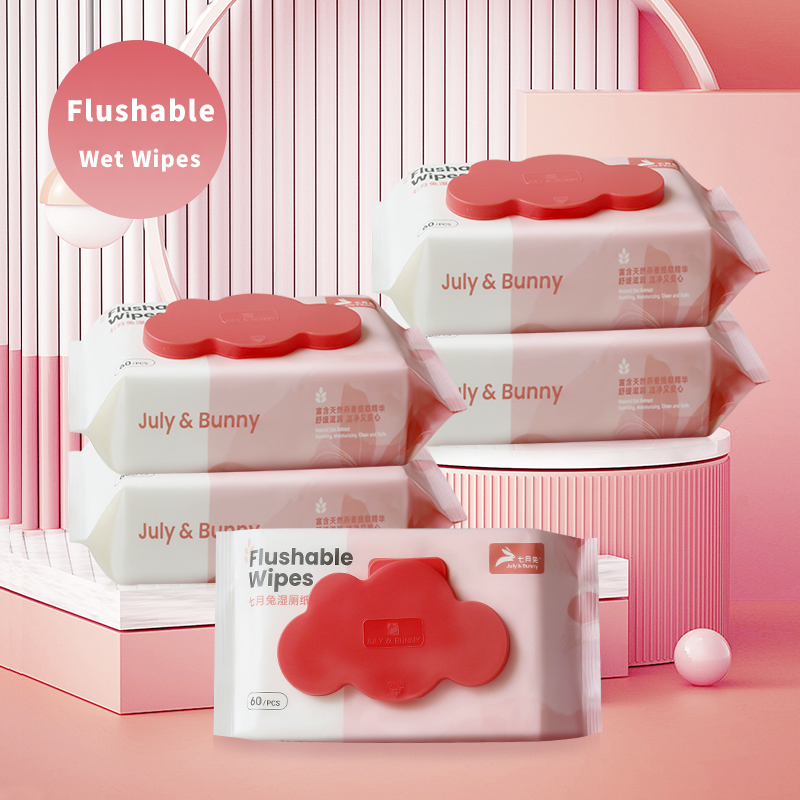 Gentle Universal Wet Toilet Paper Suppliers, Company - HAINING LILY CLEANING PROLILY CLEANING PRODUCTS is China Gentle Universal Wet Toilet Paper Suppliers and Company, Wholesale Gentle Universal Wet Toilet Paper onli...View Product →
When buying antibacterial vaginal wipes for a retail brand, pharmacy chain, or e-commerce store, the evaluation goes beyond reading a specification sheet. The formulation has to be proven safe, stable, and comfortable in real use.
Here is a practical checklist for procurement and product managers:
Choosing a supplier who already works across hygiene categories is a practical advantage. A factory that handles baby wipes, makeup remover wipes, and disinfecting wipes has accumulated the formulation data and quality controls needed to handle a sensitive product like an antibacterial intimate wipe. Browsing a manufacturer's wet wipes product range is often the fastest way to assess that level of experience. The same principle applies when you evaluate private-label wet wipe partners for your brand: formulation control, documentation, and manufacturing consistency determine whether a product ever reaches retail shelves.
Antibacterial vaginal wipes are neither a miracle product nor a cause for alarm. They are a practical hygiene tool when the formula is mild, pH-balanced, and used externally. The difference between helpful and harmful depends on three factors: the choice of antibacterial agent, the concentration used, and the pH of the finished product.
For consumers, that means checking labels for alcohol, fragrance, and pH claims before buying. For brands and importers, it means auditing the manufacturer's formulation process, test data, and relevant experience across hygiene categories. When both sides get those basics right, an antibacterial vaginal wipe is a genuinely useful product, one that supports everyday comfort without compromising the body's own defenses.

Wet Wipes OEM/ODM, Custom Wet Wipes Manufacturers in China. We are making wet wipes enter every household and become an essential part of our daily life, and are making unremitting efforts to create a cleaner and more comfortable home environment.
Read MoreFor exclusive deals and latest offers, sign up by entering your email address below.


 English
 русский
 عربى
عربى