

 2026.10.16
 Industry News
Content
If you have ever stood in an aisle holding two packs of baby wipes and quietly wondered whether the difference between them is real, you are not alone. We have been manufacturing wet wipes in Haining since 2003, and the question we hear most often from parents and brand owners is the same one: what actually makes a baby wipe "clean"?
The honest answer comes down to three things — the water, the fiber, and the shortest possible list of additives. Everything else, including the wording on the front of the pack, is secondary. Here is how we talk about it inside our own factory.
A baby wipe is usually 90 to 99 percent water, carried on a nonwoven sheet, with a small amount of preservative and skin-conditioning ingredients holding the formula together. Once you understand that ratio, the label becomes much easier to read.
Words like "pure", "natural" and "gentle" are marketing language, and in most markets they are only loosely regulated. The ingredient list on the back, printed in that tiny type, is the part you can actually rely on. Ingredients are listed by weight, so the first three or four entries tell you most of the story — and if water is not at the top, something is unusual.
Because water makes up the bulk of the product, its quality sets the ceiling for everything else. In production, purified water typically passes through multi-stage filtration, reverse osmosis or deionization, and is monitored for conductivity and microbial load before it ever touches the fiber. A wipe made with carefully controlled water needs fewer corrective additives later.
This is also why preservatives exist, and why they deserve a fair hearing. A wipe with no preservative system at all is a wipe that can grow microorganisms once the pack is opened in a warm nursery. The goal is not a zero-additive formula; it is the mildest effective system, at the lowest use level, matched to the packaging and the shelf life the product promises.
Softness, wet strength, lint and how the wipe feels on skin all come from the substrate. Two packs can carry identical formulas and still feel completely different because one uses a coarser blend. The table below compares the materials we work with most often.
| Material | Softness | Wet strength | Biodegradability | Where it shines |
|---|---|---|---|---|
| 100% cotton spunlace | Very high | Moderate | High | Newborn and sensitive skin |
| Bamboo or viscose blend | High | Good | High | Eco-positioned product lines |
| PP-viscose blend | Medium | Very high | Low | Everyday value multi-packs |
| Wood pulp (airlaid) | Medium | Low | High | Flushable and dry-wipe formats |
For a newborn, a fine spunlace cotton or a soft bamboo blend usually feels kindest, while a stronger synthetic blend tends to suit messy hands and highchair trays better than delicate skin.
When a formula is being developed for a young baby, these are the categories we suggest keeping off the list:
An unscented wipe may still contain a masking fragrance added to neutralise the smell of other raw materials. A fragrance-free wipe contains no fragrance at all. For a baby with reactive skin, that distinction matters more than almost any other line on the pack. If you would like a deeper look at safety fundamentals, our team has written a longer piece on baby care wipes safety that walks through the same questions in more detail.
Most families end up keeping two kinds of wipes at home: something very plain for the first weeks, and something more robust for the toddler years. Our own baby range follows that logic, starting with a formula built around water quality rather than add-on claims.
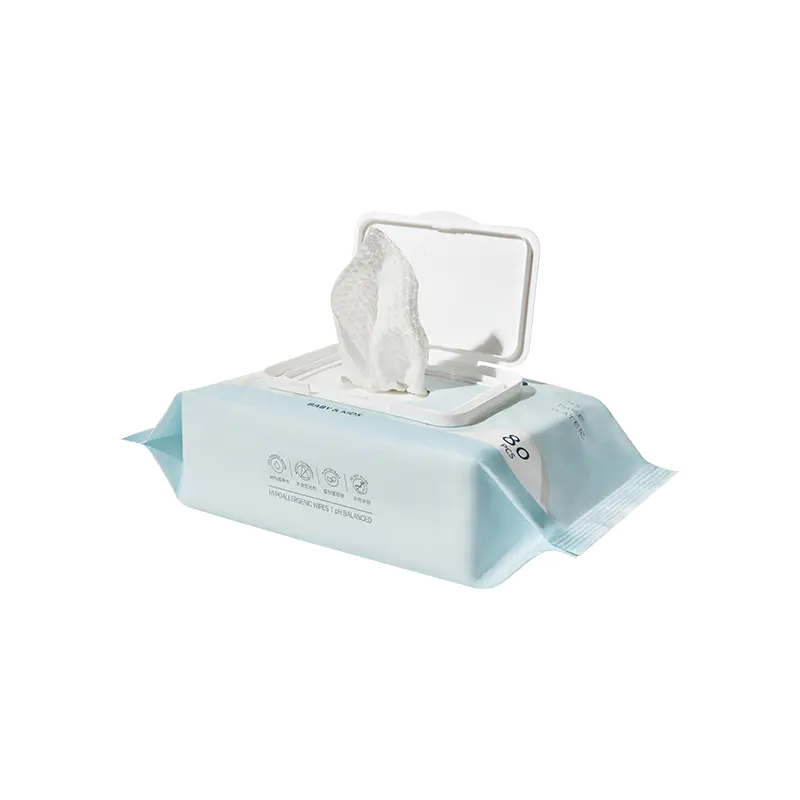 Medical-Grade Pure Water Wipes for NewbornsA plain, short-ingredient wipe for newborns, made with purified water and soft cotton non-woven fabric; suited to early diaper and mouth care.View Product →
That medical-grade pure water wipe is the version we recommend for newborns and for parents who want the shortest possible ingredient list. As a baby grows and starts eating, painting and exploring, a slightly thicker sheet often becomes more practical, which is where a natural cotton or biodegradable bamboo fiber option earns its place.
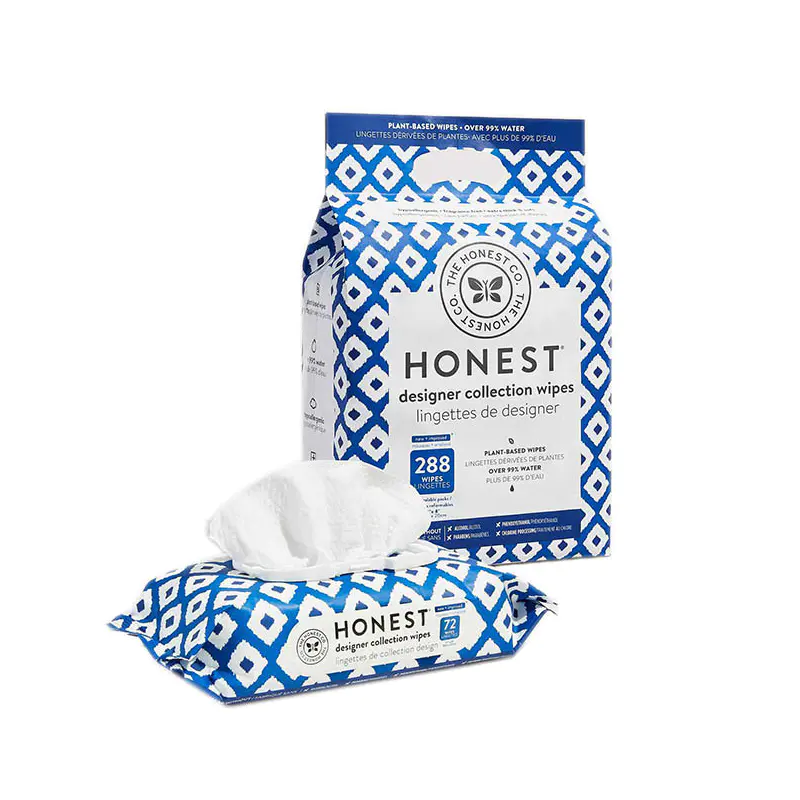 Natural Cotton and Bamboo Fiber Baby WipesA fragrance-free option for growing babies and sensitive skin, using natural cotton and degradable bamboo fiber, with private-label customization available.View Product →
For very reactive skin, some parents prefer a dry-and-wet routine: plain water on a soft cotton towel, used once and discarded. It adds a step, but it removes the preservative question entirely.
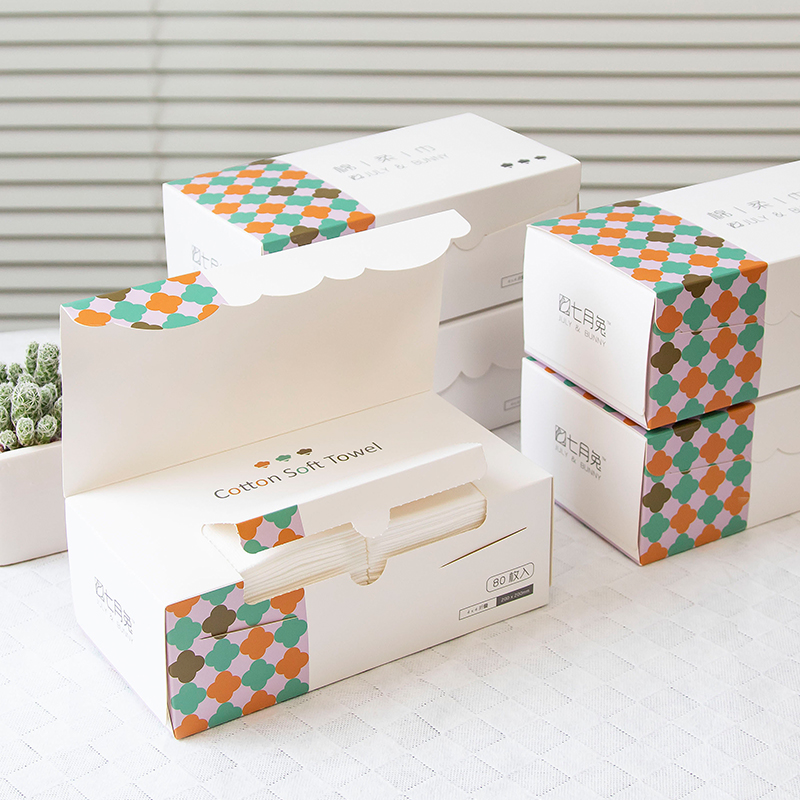 Disposable Pure Cotton Towels for Sensitive SkinA single-use cotton alternative to reused towels, usable dry or wet for cleansing, makeup removal, and travel; available individually wrapped.View Product →
A good formula can still disappoint if the pack does not protect it. A resealable flip-top keeps the top sheet from drying out between changes; individually wrapped sachets suit nappy bags and travel; larger multi-packs lower cost per wipe but need a reliable seal to stay fresh to the last sheet. Sheet count, fold style and moisture level should all be decided together, not one after another.
If you are sourcing under your own label rather than shopping for your family, a few questions will tell you more than a brochure:
At our factory in Haining, around 90 colleagues work across automated lines with an average daily output above 600,000 pieces, and most of what we produce is OEM or private label work with custom formulas and pack formats. So these are precisely the conversations we have every week.
Not automatically. A short list is easier to understand, but the product still needs an adequate preservative system and the right fiber to do its job well.
A plain, fragrance-free baby wipe is fine for both. Heavier, textured sheets are better kept for hands, surfaces and outdoor mess.
Only wipes explicitly labelled flushable, and even then local plumbing advice should be followed. Standard baby wipes belong in the bin.
Whether you are stocking a nursery or developing a new private label line, the principles do not change: start with the water, choose the fiber for the skin it will touch, and keep the additive list short enough that you could explain every entry. If you would like to compare formulas or talk through a specification, our team is always happy to help — you can reach us through the contact page.

Wet Wipes OEM/ODM, Custom Wet Wipes Manufacturers in China. We are making wet wipes enter every household and become an essential part of our daily life, and are making unremitting efforts to create a cleaner and more comfortable home environment.
Read MoreFor exclusive deals and latest offers, sign up by entering your email address below.


 English
 русский
 عربى